An excavator’s hydraulic pump rarely fails without warning. The first clues may be subtle: slower boom movement, delayed bucket response, or a machine that struggles under a familiar load. You might hear a high-pitched whine near the pump, especially when the hydraulic oil is warm. The controls can also feel uneven, as if the machine pauses before moving. What are the common signs of a failing hydraulic pump in excavators? Operators often notice reduced power, overheating, unusual noise, or foamy oil before a complete breakdown. Not always. A weak pump is only one possible cause.
Similar symptoms can come from low oil, a clogged filter, leaking hoses, or a faulty valve. That is why a single observation should not decide the diagnosis. Check the oil level and look for leaks, burnt smells, or metal particles, but follow the machine’s service manual and safety procedures. Record when the problem occurs: during cold starts, repeated lifting, or travel across uneven ground. These details help a qualified technician narrow down the cause and test pressure or flow correctly. In practice, even experienced operators can misread a noisy pump; I would not treat sound alone as proof. Early inspection can prevent added strain on other hydraulic components, but accurate testing matters more than guesswork.
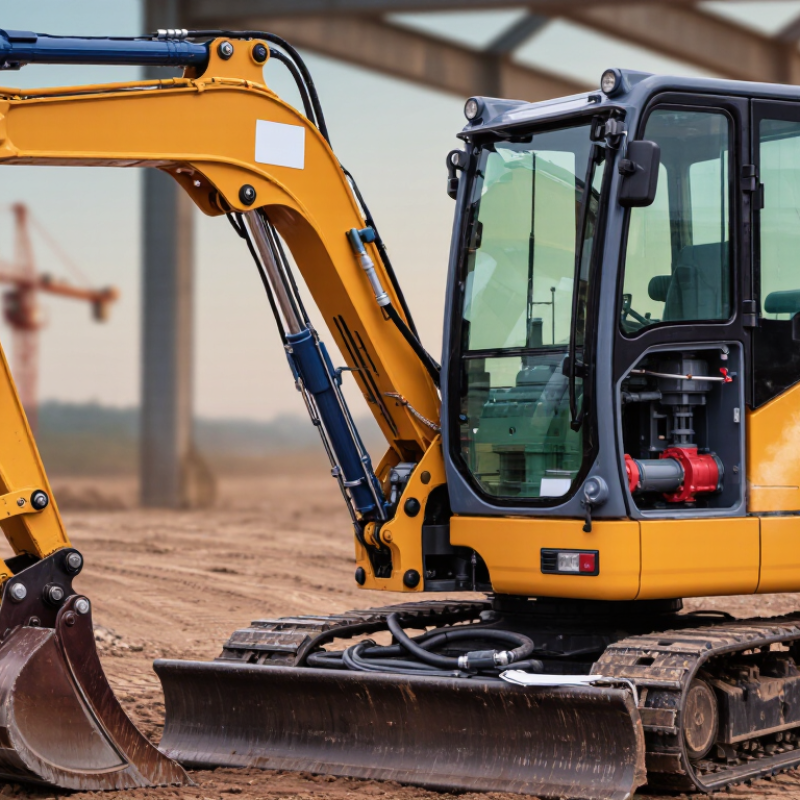
An excavator’s hydraulic pump converts engine power into moving, pressurized oil. The pump supplies flow; resistance from the machine’s cylinders and motors creates pressure. Control valves direct that flow to the boom, arm, bucket, and tracks. When the operator moves a joystick, the pump must respond with enough flow for smooth, predictable movement. A weak pump may cause slow cycles, sluggish travel, or functions that weaken as the oil warms. These symptoms can also come from clogged filters, leaks, or worn valves. That distinction is easy to miss.
Pump health depends on clean oil and adequate supply at the inlet. ISO 4406:2021 classifies fluid cleanliness using particle counts at 4, 6, and 14 micrometres. Each code step represents roughly a doubling of particle concentration, making small contamination changes meaningful. A pump starved by a restricted suction line may also growl or cavitate, leaving pitted internal surfaces over time. Sound alone is not a diagnosis.
Tips: Check oil level, filter restriction, and suction hoses before condemning the pump. Record cycle times and compare them under similar loads. A qualified technician can measure case-drain flow and operating pressure against the machine’s service specifications. Don’t guess from noise. A clean sample and repeatable readings make the diagnosis more reliable.
| Inspection Dimension | Possible Failure Sign | What It May Indicate | Checks and Recommended Action |
|---|---|---|---|
| Hydraulic pump’s role | Multiple hydraulic functions become weak, slow, or inconsistent. | The pump supplies pressurized hydraulic oil to the control valves and actuators. Reduced pump flow or pressure can affect several functions, although other system faults can produce similar symptoms. | Compare machine performance with its service specifications. Check the hydraulic system as a whole before concluding that the pump has failed. |
| Cycle speed and response | Boom, arm, or bucket movements are slower than usual, or respond unevenly. | Insufficient pump flow is one possible cause. Low oil level, restricted filters, air in the system, control-valve problems, or excessive internal leakage can also reduce performance. | Check oil level and condition, filter restriction indicators, and for visible leaks. Have system flow and pressure tested using the correct service procedure. |
| Operating pressure | Measured pressure does not reach the machine’s specified range under the prescribed test conditions. | Pump wear or a drive problem may reduce pressure, but a faulty relief valve, control valve, or test setup can cause a similar reading. | Use the model-specific service specifications and approved test equipment. Do not adjust relief-valve settings to compensate for a suspected pump problem. |
| Unusual noise | Whining, rattling, or a harsher-than-normal sound comes from the pump area. | Cavitation or aeration may occur when oil supply is restricted or air enters the system. Mechanical wear or a damaged coupling may also create noise. | Check oil level, suction-side hoses and connections, and any signs of blockage or damage. Stop operation if noise is severe or rapidly worsening. |
| Oil temperature | Hydraulic oil runs hotter than normal during comparable work. | Excessive heat can result from internal leakage, a pump operating inefficiently, a restricted cooler, low oil, or a system relief valve opening too often. | Verify oil level and cooler airflow, inspect for restrictions, and compare temperature readings with service guidance. Avoid touching hot components or opening a hot system. |
| Oil condition | Oil appears foamy, unusually dark, or contains visible particles. | Foaming can indicate air entering the system; discoloration or particles may signal overheating or component wear. These signs do not identify the pump as the only possible source. | Follow the machine’s oil-sampling and contamination-control procedures. Find and correct the source of contamination before installing replacement components. |
| Load performance | The excavator struggles to lift or move a load that it handled normally before. | Low hydraulic output may be involved, but engine power loss, a faulty valve, cylinder leakage, or an incorrect operating condition can also limit performance. | Check engine operation and hydraulic functions systematically. A qualified technician can isolate pump output from downstream leakage and control faults. |
| Visible leakage or drive condition | Oil is visible around pump connections, or the pump drive area shows damage or abnormal movement. | External leakage may reduce oil supply, while a damaged coupling or drive can prevent the pump from operating correctly. | Inspect only when the machine is safely shut down and pressure has been relieved according to the service instructions. Repair leaks or drive faults before further operation. |
Important: These symptoms are diagnostic clues, not proof of pump failure. Hydraulic systems can retain dangerous pressure after shutdown. Use the excavator’s service manual and have pressure, flow, and leakage tests performed by a qualified technician.
Low fluid, a clogged filter, or a loose suction connection can restrict supply. A whine is a clue, not proof of pump failure.
Check the level, color, odor, and temperature. Milky oil can indicate water; a burnt smell may point to overheating. A clear sight glass proves little.
It may mean unfiltered oil is circulating. Check the indicator and service records, then compare a clean fluid sample with the machine’s specified cleanliness level.
ISO codes describe particle-count ranges, not a universal target. For example, code 18 covers 1,300–2,500 particles per milliliter larger than 4 μm(c).
Look around bends, clamps, and frame contact points. Check for cracks, bulges, abrasion, or oily residue. Small drips can still matter.
Never use your hand. Use cardboard and follow site safety procedures. Check fittings for looseness, but do not overtighten them.
If several functions slow together, measure pressure and flow under manual-specified conditions. If one cylinder struggles, inspect its circuit for leakage or internal seal bypass.
Worn parts are one possibility, but hot, thinner oil can reveal leaks elsewhere. Check fluid, filters, and connections before condemning the pump. I might still miss something.
Record pressure and flow readings, keeping warm-up conditions consistent. Compare results with service limits. Sound alone is not enough.
An excavator’s hydraulic pump converts engine power into the pressurized fluid that operates its boom, arm, bucket, and travel systems. When pump performance declines, operators may notice slow or weak movements, inconsistent response, reduced lifting power, or functions that struggle under load. Unusual whining, grinding, or knocking can also point to trouble. What are the common signs of a failing hydraulic pump in excavators? These symptoms are important clues, but they do not confirm pump failure on their own.
Begin by checking fluid level and condition, filters, hoses, and connections for contamination, blockage, leaks, or damage. Then assess system pressure and flow with suitable test equipment, while noting unusual noise and excessive heat. Compare results with the excavator’s specifications and check whether symptoms affect multiple functions. A clogged filter, faulty valve, air in the system, or a leaking hose can resemble pump trouble, so inspect the wider hydraulic system before concluding that the pump needs repair or replacement.

 BTEra Excavator