Why Choose a Tracked Mini Dumper Over a Wheeled One in 2026?

Time:2026-11-25 Author:Ethan
0%

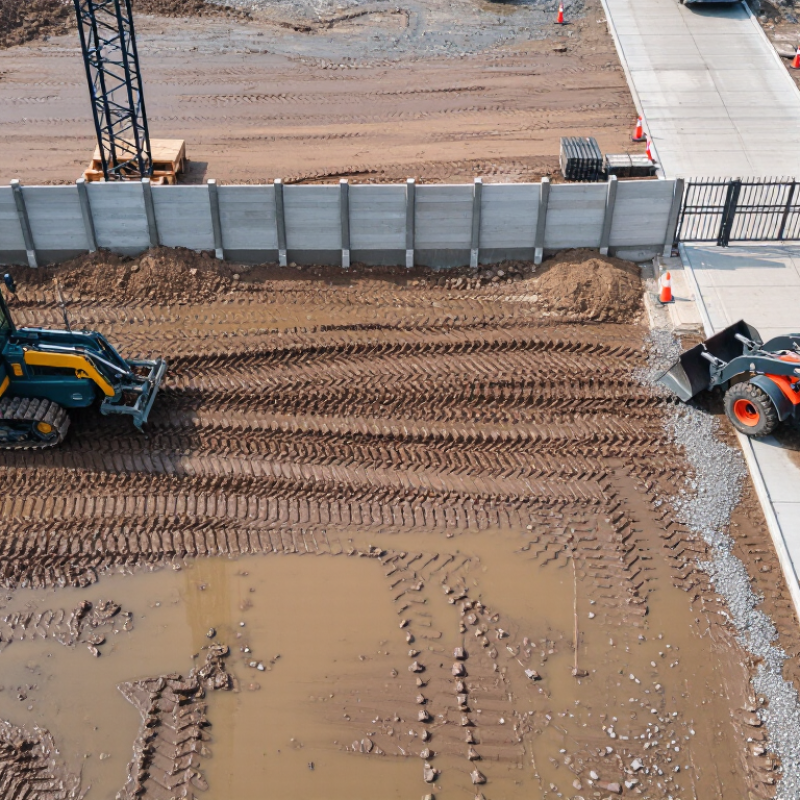
Why choose a tracked mini dumper over a wheeled one? The answer depends on the ground beneath your boots. On wet clay, loose gravel, or a narrow garden path, tracks spread the machine’s weight across a longer contact area. That can help reduce sinking and preserve traction. On firm concrete, wheels often roll faster and steer more easily. Small differences matter: a loaded dumper crossing a muddy slope behaves very differently from one moving along a level driveway.

The U.S. Bureau of Labor Statistics recorded 1,075 fatal work injuries in the construction and extraction occupational group in 2023. That figure does not compare dumper types, but it underlines why operators should assess site conditions, load limits, visibility, and stability—not purchase price alone. Manufacturer specification sheets provide useful model-by-model details, including payload, operating weight, and ground pressure. Compare those figures carefully; machines in the same category can differ substantially.

There is no universally accepted independent report showing that tracked dumpers outperform wheeled models on every job. Nor should one be treated as an all-terrain solution. A useful field rule is: “Choose for the surface you actually cross, not the surface you hope to find.” This is an editorial summary, not a quotation from a named industry expert. Without a verifiable expert source, assigning those words to a person would be misleading. The sections ahead weigh traction, ground disturbance, manoeuvrability, maintenance, and cost against the realities of your site.
Why Choose a Tracked Mini Dumper Over a Wheeled One in 2026?

What a Tracked Mini Dumper Is and How Its Drive System Works

A tracked mini dumper is a compact machine that carries loose materials on rubber tracks instead of wheels. The tracks spread the machine’s weight across a wider contact area. This can help it travel over soft soil, damp grass, or uneven ground with less sinking. Small footprint, steady contact.

In many models, an engine or electric motor powers a hydraulic pump. Hydraulic flow turns drive motors connected to sprockets, which pull the tracks around rollers and idlers. The operator steers by changing the speed of each track, or by slowing one side while the other keeps moving. Some designs use different drive arrangements, so checking the machine’s manual matters.

That drive system gives useful grip on rough access routes and lets the dumper turn within a tight work area. It does not make every surface easy. Wet clay can still clog the tracks, and sharp debris may cause wear. Track tension and undercarriage condition deserve regular checks. A practical choice depends on the load, route, and ground—not just the machine’s compact size. I would not assume tracks always mean better traction; test the actual route when possible.

How Tracks Influence Traction, Ground Pressure, and Stability

A tracked mini dumper can keep moving where soft soil, wet clay, or loose gravel slows a wheeled machine. Its tracks spread the load over a longer contact area, which generally lowers ground pressure. That means less sinking and less rutting on a sensitive lawn or freshly prepared ground.

The advantage depends on machine weight, track width, and load. Tracks are not magic.

Traction comes from the tread gripping and distributing force across the surface. On a muddy access path, that can help the dumper climb or turn without spinning its wheels as easily. But track performance changes with soil and tread condition.

Packed gravel or firm concrete may suit wheels just as well, with less track wear. Not always. Sharp stones and repeated tight turns can damage tracks or scuff the ground.

A wider footprint can also help the machine feel steadier on uneven terrain. Still, stability depends on more than tracks: the load’s position, ground slope, and turning speed all matter. Keep heavy material low and centered, and avoid abrupt turns on cross-slopes.

A broad track base cannot prevent a tip if the dumper is overloaded or driven carelessly. I would check the route after rain, too; a shallow-looking rut can hide soft ground underneath.

How Tracked and Wheeled Mini Dumpers Differ in Operation

Why Choose a Tracked Mini Dumper Over a Wheeled One in 2026?

How Tracked and Wheeled Mini Dumpers Differ in Operation

Tracked and wheeled mini dumpers feel different from the first turn. Tracks spread the machine’s weight across a larger contact area. On damp soil or loose gravel, that can reduce sinking and help maintain traction. Tracks also climb uneven ground steadily, though turning on delicate turf may leave scuffs. They are not magic. Mud can pack around the undercarriage, and track wear adds maintenance cost.

Wheeled models usually steer more sharply on firm, level surfaces. Their tires roll efficiently across concrete and compacted paths, making repeated short trips feel quick. But a loaded dumper may struggle on soft ground or steep, slippery slopes. Tire pressure, tread, load size, and operator technique all affect performance. The right choice depends on the route, not just the payload rating.

Tips: Walk the work area before choosing. Look for soft patches, tight gates, slopes, and finished paving. If the route changes during the job, allow for that. Tracks can protect access across yielding ground, while wheels may be easier to maneuver on hard surfaces. It is easy to focus on traction and overlook turning marks or cleanup time.

Why Choose a Tracked Mini Dumper Over a Wheeled One in 2026? — How Tracked and Wheeled Mini Dumpers Differ in Operation

Operating Factor Tracked Mini Dumper Wheeled Mini Dumper
Typical strengths Often better suited to soft, uneven, or loose ground where traction and stability are priorities. Often better suited to firm, level routes where rolling efficiency and maneuverability matter.
Traction on loose ground Continuous tracks provide a larger contact area and can help maintain traction on soil, gravel, and muddy ground. Tyres can lose traction more readily on loose or slippery ground, depending on tread, load, and conditions.
Ground pressure Generally distributes weight over a longer contact area, which can reduce ground pressure compared with a similar wheeled machine. Weight is carried through the tyre contact patches; the effect on the surface varies with tyre size, pressure, load, and ground conditions.
Uneven terrain Tracks can help the dumper cross ruts and uneven surfaces with a more continuous footprint. Wheels can perform well on maintained routes but may be more affected by deep ruts or soft patches.
Turning and maneuvering Many tracked models turn by varying track speed, which can allow tight turns but may disturb soft ground during pivoting. Steering wheels typically give predictable handling on firm surfaces; turning radius depends on the steering design.
Travel on hard surfaces Can travel on hard ground, but track material and turning technique matter to limit scuffing or surface marking. Tyres usually roll smoothly on firm paths and are often a practical choice for regular travel across paved areas.
Travel efficiency Track resistance can make travel less efficient on long, firm routes, though performance varies by design and operating conditions. Wheeled machines generally roll efficiently over firm, even ground and can be a good fit for longer site routes.
Gradients and slopes Tracks may provide useful grip on some slopes, but safe slope operation depends on the machine, load, surface, and manufacturer limits. Wheeled models can handle suitable slopes, but traction and stability depend on tyre condition, ground firmness, and machine limits.
Maintenance considerations Requires inspection of tracks, rollers, and undercarriage components; track wear and tension need attention. Requires inspection of tyres, tread, and inflation where applicable; punctures and tyre wear are key considerations.
A strong choice when… The route is frequently soft, muddy, uneven, or sensitive to concentrated ground pressure. The route is mostly firm and level, with regular travel over hard surfaces and a need for efficient rolling.

Selection note: Actual performance varies with machine design, payload, track or tyre specification, ground conditions, and operator technique. Check the manufacturer’s operating limits and surface guidance before use.

Which Worksites Benefit Most from Tracked Mini Dumpers

Tracked mini dumpers are most useful on worksites where soft ground, uneven surfaces, or delicate landscaping make access difficult. A narrow garden path beside a house, for example, may lead to wet soil, tree roots, and piles of excavated earth. Tracks spread the machine’s weight across a larger contact area than many wheels, which can reduce sinking and rutting. That matters. After rain, the difference may be obvious near a lawn edge or a shallow trench.

Landscaping projects, drainage work, and small construction sites often benefit from this extra traction. Tracks can help the dumper cross loose gravel, compacted soil, or shallow ruts while carrying material. But they are not a cure-all. On firm, level ground with long travel distances, a wheeled dumper may move more efficiently. Tracks can also scuff turf during tight turns and wear faster on abrasive concrete.

The site itself should guide the choice. Check the narrowest gate, the route’s gradients, turning space, load requirements, and how recently the ground was disturbed. A tracked machine may reach a work area that wheels struggle with, yet still damage soft ground if it turns sharply. That trade-off is easy to miss. Operators should follow the machine’s limits and assess conditions as they change.

Why Choose a Tracked Mini Dumper in 2026?

Worksite suitability by ground condition

Tracked dumpers are generally better suited to soft, muddy, and uneven ground because their tracks spread the load over a larger contact area. Wheeled models are often a better fit for firm, paved routes. Ratings are a qualitative 1–5 comparison, not measured performance data; actual capability depends on the machine, load, slope, and ground conditions.

What to Consider When Choosing a Tracked Mini Dumper in 2026

Why Choose a Tracked Mini Dumper Over a Wheeled One in 2026?

What to Consider When Choosing a Tracked Mini Dumper in 2026

Choosing a tracked mini dumper starts with the ground it will cross. Tracks can spread weight across soft soil, muddy paths, or uneven landscaping, reducing the chance of deep wheel ruts. They also help maintain traction on short slopes. But “tracked” does not mean unstoppable. Check the machine’s rated gradeability and payload before planning a route.

Measure access points carefully. A dumper that fits through a garden gate may still struggle to turn beside a wall or cross a narrow path. Compare its loaded width, turning clearance, and unloading height with the jobsite. Consider how far materials must travel, too; a larger payload may save trips but leave less room to maneuver. Track condition, replacement cost, and transport arrangements deserve attention. I might overlook one of these details on a quick site visit, so measurements are worth checking twice.

FAQS

What is a tracked mini dumper?

It carries loose materials on rubber tracks instead of wheels. The tracks spread its weight over a wider area. Small footprint, steady contact.

How does a tracked mini dumper move?

An engine or electric motor may power a hydraulic pump. Hydraulic flow turns drive motors and sprockets, pulling the tracks around rollers and idlers. Designs vary, so check the manual.

How does it steer?

The operator changes each track’s speed. Slowing one side can turn the dumper while the other side keeps moving. Tight turns are possible.

What ground suits tracks?

Tracks can reduce sinking on soft soil, damp grass, or loose gravel. They can also travel steadily over uneven ground. Not everywhere, though.

How do tracked and wheeled dumpers differ?

Tracks can help on yielding ground, while tires often roll efficiently across concrete and compacted paths. Wheeled models may steer more sharply on firm, level surfaces.

Can tracks damage finished turf?

They may leave scuffs when turning on delicate turf. Check the ground first, especially near lawns or paving. Cleanup takes time.

What maintenance do tracks need?

Check track tension and undercarriage condition regularly. Wet clay can clog the tracks, and sharp debris may cause wear. Small checks matter.

How should I choose between tracks and wheels?

Walk the route and look for soft patches, slopes, tight gates, and finished paving. Consider the load and turning space too. I would not assume tracks always provide better traction; test the route when possible.

Conclusion

Why choose a tracked mini dumper over a wheeled one? Its continuous tracks spread the machine’s weight across a larger area, helping reduce ground pressure and improve traction on soft, uneven, or slippery terrain. The wider contact area can also contribute to stability when carrying loads over challenging ground. Wheeled models may be more suitable for firm, smooth surfaces and frequent travel between locations, while tracked dumpers are designed to handle conditions where grip and reduced ground disturbance matter more.

Tracked mini dumpers can be especially useful on landscaping projects, muddy sites, slopes, and confined work areas with delicate surfaces. When choosing one in 2026, consider the terrain, load capacity, machine width, turning space, operating comfort, maintenance needs, and how often it will travel on hard surfaces. Matching the drive system to the worksite helps ensure practical, efficient material handling.

Ethan

Ethan

Ethan is a seasoned marketing professional with a deep expertise in our company's innovative product line. With a passion for sharing knowledge and insights, he takes the lead in regularly updating our corporate blog, where he explores industry trends, product features, and effective marketing......