How Much Soil Can a 1 Ton Mini Excavator Dig Best Guide?

Time:2026-05-07 Author:Madeline
0%

When it comes to construction and landscaping, understanding digging capabilities is crucial. Many eager operators ask, "How much can a 1 ton mini excavator actually dig?" This question directly impacts project timelines and budgets. Mini excavators are nimble but powerful. They can access tight spots, making them a popular choice for small to medium jobs. However, their digging capacity varies based on soil conditions and bucket size.

The 1 ton mini excavator typically boasts a digging depth of around 5 to 6 feet. In ideal conditions, it can move about 0.5 cubic meters of soil per hour. However, factors like soil density and moisture can significantly influence these numbers. A rocky ground will yield less than soft, loamy soil. Operators must evaluate the job site carefully.

Real-world experiences reveal that while these machines are efficient, they shouldn't be overestimated. Rushing projects can lead to mistakes. Underestimating the challenges may result in delays and increased costs. Therefore, understanding your equipment's limits is imperative for success.
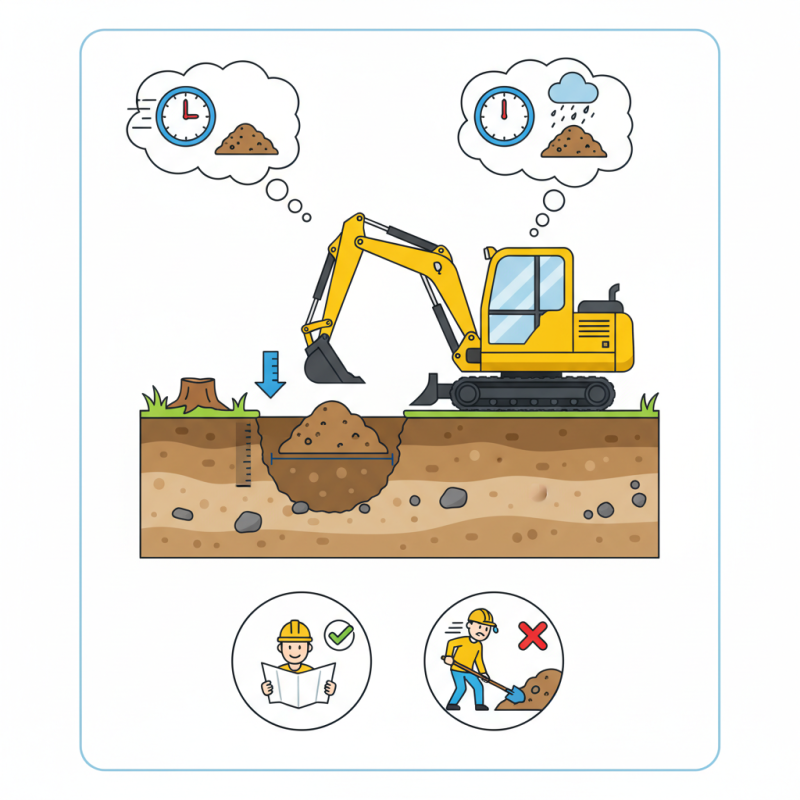
How Much Soil Can a 1 Ton Mini Excavator Dig Best Guide?

Understanding the Capacity of a 1 Ton Mini Excavator for Digging

When considering a 1 ton mini excavator for digging, it’s essential to understand its capacity. These machines can typically dig around 1 to 2 cubic yards of soil per hour under optimal conditions. Factors such as soil type, compaction, and moisture levels directly influence this rate. For instance, sandy soil flows easily, while clay can be much more challenging to manage.

The digging depth usually ranges from 5 to 10 feet, depending on the specific model. This allows for efficient trenching and site preparation tasks. However, even with a powerful mini excavator, operators must be cautious about the machine’s stability. Overloading can lead to performance issues or even accidents.

Take note of the weight distribution when digging on uneven terrain or near edges. It’s a common pitfall that can affect safety and efficiency. Despite its capabilities, a 1 ton mini excavator is not a one-size-fits-all solution. Understanding its limitations and potential drawbacks is crucial for effective use. Each job may require different strategies, making experience invaluable in this field.

How Much Soil Can a 1 Ton Mini Excavator Dig Best Guide?

Dimension Value
Operational Weight 1 Ton
Bucket Capacity 0.04 - 0.1 m³
Digging Depth 1.8 - 2.5 m
Reach 3.0 - 4.2 m
Soil Load Capacity 700 - 800 kg
Typical Soil Types Clay, Sandy, Loamy
Average Digging Speed 10 - 15 m³/hour

Factors Affecting the Soil Digging Capacity of Mini Excavators

When considering how much soil a 1-ton mini excavator can dig, several factors come into play. The type and condition of the soil significantly affect the digging capacity. Loose, sandy soil is easier to excavate than dense clay or rocky terrains. Each soil type requires different techniques. Operators should understand these differences for optimal performance.

Another crucial factor is the attachment used. Buckets come in various sizes and shapes, directly influencing how much soil can be moved. A wider bucket may dig more soil in one go but might not be suitable for precision work. Additionally, the operator's skill level plays a significant role. Experienced operators can maximize the excavator's capacity through efficient techniques.

Factors like the excavator's maintenance state also impact its effectiveness. A well-maintained machine performs better. Operators must regularly check fluid levels and inspect the attachments. Sometimes, small issues can reduce overall capacity. Understanding these nuances allows for improved performance and efficiency in soil excavation projects.

Estimating the Volume of Soil a Mini Excavator Can Move

When estimating the volume of soil a 1-ton mini excavator can move, several factors come into play. The excavator's bucket size is crucial. Typically, a mini excavator features a bucket that ranges from 0.1 to 0.3 cubic meters. This means each scoop can hold a significant amount of soil. However, the amount you can actually move also depends on the weight and texture of the soil. Loamy soil is easier to dig than compact clay or sandy areas.

Operating conditions affect performance too. Solid ground allows for faster digging than uneven or rocky terrain. The skill of the operator matters greatly. An experienced operator can maximize the machine's efficiency. Erratic digging may lead to imprecise estimates of how much soil gets moved. It's common to overestimate the capacity, especially when working with tougher soil.

Consider the impact of weather and moisture on soil consistency. Wet soil may clump together, reducing the effectiveness of each scoop. This factor often gets overlooked. Moreover, operators should reflect on their own adjustments during the job. After a few digs, understanding the flow of soil and shifting techniques becomes essential. This experience shapes future projects, improving efficiency and accuracy.

Soil Moving Capacity of a 1 Ton Mini Excavator

Techniques for Efficient Soil Digging with a 1 Ton Mini Excavator

Using a 1-ton mini excavator for digging can be highly efficient when techniques are applied correctly. It’s crucial to adjust the excavator’s settings based on the soil type. For instance, compact soil may require a different approach compared to loose soil. Operators should always check the machine's specifications and ensure they are maximizing its digging capacity.

Practice is essential. Not every operator will naturally excel at maneuvering a mini excavator. Video tutorials and hands-on training can greatly improve skills. It’s common to face setbacks, like digging too deep or not reaching the desired area. These experiences can be valuable for refining techniques.

Digging in layers often yields better results. Start with shallow cuts, gradually deepening the hole. This method can also reveal less stable areas that need extra attention. The precision gained enhances both safety and productivity. While challenges will arise, they ultimately contribute to a deeper understanding of effective digging practices with a 1-ton mini excavator.

Safety Considerations When Operating a Mini Excavator for Digging Tasks

When operating a mini excavator, safety should be paramount. Ensuring that the worksite is clear of pedestrians and hazards can prevent accidents. An operator must always wear appropriate protective gear, including a hard hat and gloves. These simple precautions can dramatically reduce the risk of injury.

Before starting any digging task, it's essential to inspect the equipment. Check for visible damage and ensure that all safety features are functioning. Improperly maintained machines can lead to unforeseen breakdowns or accidents. A thorough inspection should become part of your routine. It’s also crucial to maintain a safe distance from overhead power lines. These can pose significant hazards if struck.

Communication with ground crew members is vital. Clear signals and constant eye contact can ensure everyone understands their role. Yet, miscommunication can lead to accidents. Operators should remain vigilant and always be prepared to stop work if the situation changes. In the end, taking a moment to ensure a safe environment can make all the difference.

FAQS

: What factors affect the soil digging capacity of mini excavators?

: Soil type and condition are critical. Loose soil is easier to dig than dense clay or rock.

How does the bucket size influence excavation?

Bucket size matters. Wider buckets move more soil but may lack precision for detailed work.

Why is the operator's skill level important?

Experienced operators can maximize capacity. Their techniques greatly influence digging efficiency.

How does maintenance impact a mini excavator's performance?

Well-maintained machines perform better. Regular checks on fluid levels can prevent reduced capacity.

What should I consider when estimating soil movement volume?

Bucket size and soil weight matter. Loamy soil moves easier than compact clay or sand.

How do operating conditions affect performance?

Solid ground enables quicker digging. Uneven surfaces can slow down the excavation process significantly.

How does weather affect soil consistency?

Wet soil may clump, reducing scoop effectiveness. This factor is often overlooked during excavation.

Why is safety important while operating a mini excavator?

Safety prevents accidents. Always clear the worksite of hazards and wear protective gear.

What should operators do before digging?

Inspect equipment for damage. Ensure all safety features work to avoid unexpected breakdowns.

How can communication enhance safety on the job?

Clear signals and eye contact are essential. Miscommunication can lead to serious accidents.

Conclusion

When considering "How much can a 1 ton mini excavator actually dig," it's essential to understand its capacity and the various factors influencing its digging performance. While a 1 ton mini excavator can typically move a specific volume of soil, this capacity can be affected by soil type, machine condition, and operator skill. In estimating how much soil can be efficiently moved, one must consider not only the theoretical limits but also practical techniques that enhance digging efficiency.

Utilizing proper digging methods, such as maintaining the right angle and using smooth movements, can significantly improve output. Furthermore, safety should always be a priority when operating mini excavators; operators must adhere to safety guidelines to prevent accidents and ensure effective digging tasks. With the right knowledge and techniques, a 1 ton mini excavator can be a powerful ally in various digging projects.

Madeline

Madeline

Madeline is a dedicated marketing professional with a wealth of expertise in our company's core offerings. With a keen understanding of the industry, she brings a unique perspective to her role, consistently delivering high-quality content that highlights the superior aspects of our products. As......