Operating a mini excavator on a hill presents unique challenges. Safety is crucial in these situations. Jay Miller, a seasoned heavy equipment operator, emphasizes, "Maintaining stability is essential when working on slopes." Understanding how to operate a mini excavator safely on a hill can prevent accidents and ensure efficiency.
Proper weight distribution and machine positioning are vital components of safe operation. Mini excavators are designed to balance, but this balance can be compromised on uneven terrain. Operators must assess the slope before proceeding. The use of stabilizers and being aware of the machine’s center of gravity can significantly influence safety.
Training and experience go hand in hand. New operators may find it difficult to gauge their machine's handling on inclines. It’s crucial to practice in a controlled environment before tackling more demanding terrains. Remember, even experienced operators can face unexpected situations. Reflecting on past mistakes can foster better judgement. Always prioritize safety to keep yourself and others unharmed.
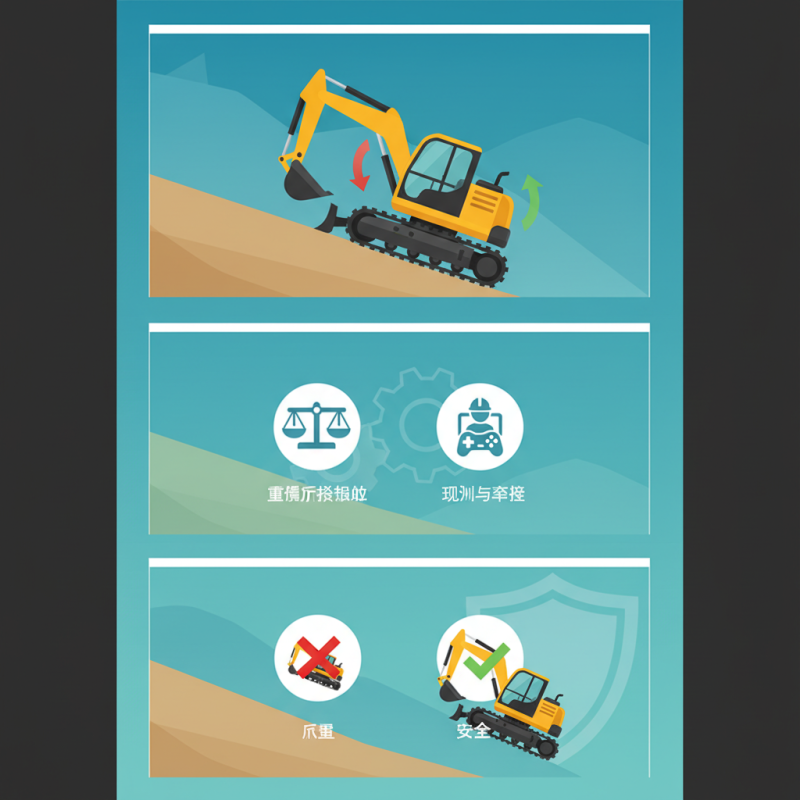
Operating a mini excavator on hills requires a keen understanding of stability. The center of gravity dramatically shifts when working on slopes. If the operator does not assess the incline correctly, the risk of tipping increases. Always check the angle of the slope. A steep incline can compromise the stability of even the best models.
Proper positioning is crucial. Place the excavator perpendicular to the slope when possible. This helps distribute weight evenly. Operators should maintain a low profile when working. Keep the bucket low and avoid sudden movements. Quick actions can lead to loss of balance.
Practicing on less steep hills allows for skill development. Each operator may face unique challenges. Reflecting on past experiences can provide insights. Familiarity builds confidence, but caution must always prevail. Mini excavators can excel on hills, but only with respect for their limitations.
Operating a mini excavator on hilly terrain requires careful attention to pre-operation checks. One recent study highlights that nearly 30% of accidents arise from equipment malfunctions. To mitigate this risk, operators should inspect essential components each time before use.
Start with checking the hydraulic fluids. Low fluid levels can affect performance on slopes. Inspect the tracks for wear. Uneven tracks can lead to tipping. Assess the overall stability of the machine. A reliable survey from the Excavator Safety Institute indicates that over 40% of stability issues occur due to unmaintained equipment. Operators should also ensure that all safety devices, such as alarms and lights, are functioning properly.
Before beginning operations, conducting a thorough risk assessment is crucial. Review the job site’s layout. Consider the slope and soil conditions. Engage with experienced operators to gather insights on potential challenges. Rain or loose soils can alter stability, making communication essential. This reflective practice can help prevent accidents and ensure operations run smoothly.
Operating a mini excavator on hills requires careful maneuvering and a solid understanding of safety techniques. According to the National Institute for Occupational Safety and Health (NIOSH), over 200 accidents involving excavators occur annually, often due to improper handling on inclines. Awareness of the machine's center of gravity is crucial in preventing tip-overs. Mini excavators typically have a lower center of gravity, making them stable on flat terrain but potentially unstable on slopes.
When navigating inclines, maintaining a slow and steady speed is essential. Operating at high speeds increases the risk of losing control. Angle awareness plays a vital role as well; operators should avoid exceeding a 15-degree slope whenever possible. Position the excavator with the tracks facing uphill when working on an incline. This reduces the risk of tipping backward. Also, consider the condition of the ground. Soft, wet terrain can lead to unexpected shifts and instability. Operators should often reassess their surroundings, especially after heavy rainfall or changes in the terrain.
Regular training and awareness of best practices can significantly reduce accidents. A report from the Occupational Safety and Health Administration (OSHA) indicates that ongoing education can lead to a 25% decrease in workplace incidents. Yet, many operators still underestimate the importance of this training. Continuous evaluation of techniques and site conditions is necessary. Every operator should ask themselves: Am I prioritizing safety over efficiency? This reflection is critical in developing a safer work environment on hills.
Operating a mini excavator on hills requires careful attention to load management. When working on slopes, the center of gravity becomes crucial. An unbalanced load can easily lead to tipping. It’s essential to keep the load as low as possible. Position it close to the machine. This reduces the risk of rolling over.
Proper load distribution is vital. Always check the weight capacity of the mini excavator. Overloading it can compromise stability. If a load feels uneven, adjust it before moving. Use a spotter to help guide you. This can provide a clearer perspective on weight and balance.
Inexperienced operators may underestimate how terrain affects load management. Hills create additional challenges, such as sliding or shifting loads. Regular reflection on handling techniques is important. Pay attention to the machine's performance. Adjust your strategies based on experiences and observed issues. Every site is different. Being aware and adapting is key to safe operations.
Operating a mini excavator on hills presents unique challenges. When faced with a slope, it's crucial to have a plan in case of emergencies. Your safety and the safety of those around you depend on being prepared. If the machine starts to slide, do not panic. Quickly hit the brakes to bring it to a stop. Engage the parking brake once the mini excavator is stable on the hill.
In case of a complete loss of control, know how to exit the cab safely. Always keep your seatbelt on when operating, but be aware of how to unbuckle quickly. Try to stay inside the cab unless absolutely necessary. It provides some protection. Ensure your surroundings are clear of obstacles before attempting to maneuver.
Keeping these tips in mind can make a difference. Always check the terrain before starting work. Assess the grade carefully. Use proper loading techniques to avoid tipping. Remember, even minor slips can lead to serious accidents. Prepare for the unexpected; no one wants to be caught off guard. Regular training on emergency procedures can help reinforce these critical skills.
: Inspect hydraulic fluids, track wear, and stability. Ensure safety devices like alarms work.
Over 40% of stability issues arise from poor maintenance. Unstable machines can tip over easily.
Slope and soil conditions can change stability. Rain or loose soil may shift the ground unexpectedly.
Maintain a slow and steady speed. High speeds increase the risk of losing control.
Avoid exceeding a 15-degree slope. This helps reduce the risk of tipping.
They provide insights on potential challenges. Communication is vital for safety.
Ongoing education can reduce accidents by 25%. Many operators still overlook its importance.
Position tracks facing uphill to minimize tipping risks. Ground conditions must be assessed too.
Soft, wet ground can lead to unexpected shifts. Operators should constantly reassess their surroundings.
Reflect on safety versus efficiency. Constant evaluation of techniques is essential for safety.
Operating a mini excavator on a hill requires a thorough understanding of stability and safety protocols to prevent accidents. To operate a mini excavator safely on a hill, start with essential pre-operation checks, including inspecting the machine for any issues that may impact performance on slopes. It's crucial to be aware of the terrain's incline and the machine's center of gravity to maintain stability throughout operations.
When maneuvering on inclines, employ techniques such as using slow and controlled movements, avoiding sharp turns, and positioning the excavator properly to maximize traction. Additionally, managing the load effectively is vital; ensure that the excavator is not overloaded, as this can compromise stability. Finally, familiarize yourself with emergency procedures to handle potential hazards that may arise when working on sloped terrain, thereby enhancing safety and efficiency in operations.

BTEra Excavator