2026 Best Mini Excavator Tips for Removing Large Tree Stumps?

Time:2026-08-19 Author:Aria
0%

Removing large tree stumps can be a daunting task. Many homeowners turn to mini excavators for help. These machines are powerful yet compact, making them ideal for tight spaces. However, it’s essential to know how to use a mini excavator to remove large tree stumps effectively.

When using a mini excavator, understanding the equipment is crucial. Always check the machine's controls and features. Familiarize yourself with the digging and lifting capabilities. It’s easy to underestimate the tree stump's size. You may find yourself overestimating the ease of the task. Take time to evaluate the area around the stump. Look for underground utility lines or nearby structures. These may complicate the stump removal process.

Equipped with the right techniques, you can increase your efficiency. Utilize the mini excavator's bucket to break up the stump. Remove soil around it and expose the roots. It may take some practice to get it right. Mistakes can lead to damaged equipment or injury. Always prioritize safety during the process. Proper training on the machine can help mitigate risks and enhance your skills.
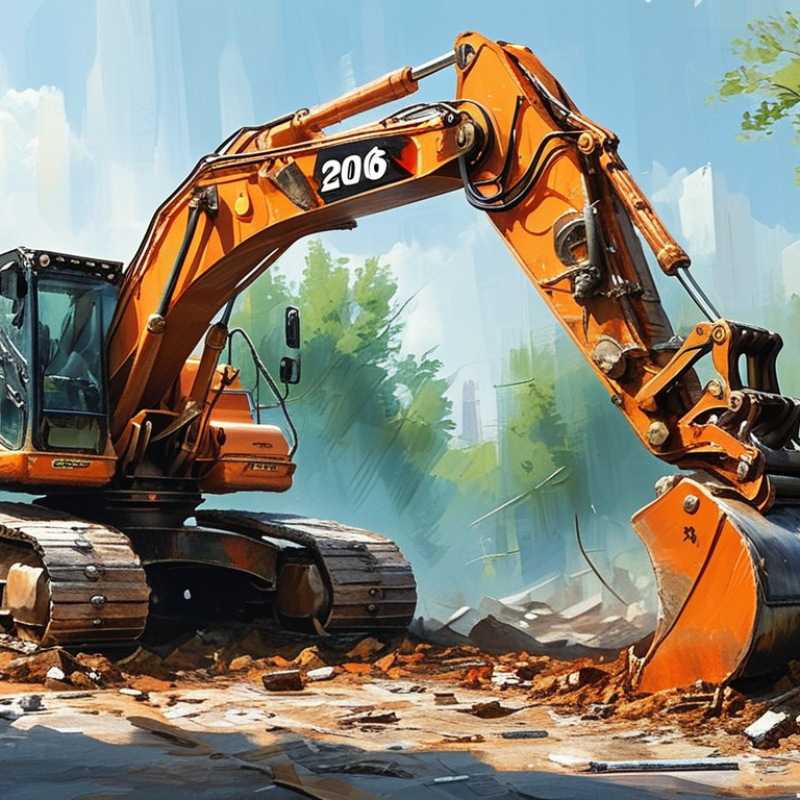
2026 Best Mini Excavator Tips for Removing Large Tree Stumps?

Choosing the Right Mini Excavator for Stump Removal

When choosing a mini excavator for stump removal, several factors come into play. Size matters. Mini excavators generally range from 1 to 10 tons. A machine between 2 to 4 tons is ideal for many residential projects. However, the size of the tree stump affects your choice. Larger stumps may require a heftier machine to remove efficiently.

The hydraulic power of the excavator is crucial. Reports indicate that excavators with a minimum of 20 GPM (gallons per minute) hydraulic flow perform better. This flow rating helps in effectively using various attachments. A strong hydraulic system can significantly enhance productivity when removing tough, deep-rooted stumps.

Consider the accessibility of the job site. Mini excavators excel in tight spaces. Yet, some designs are more maneuverable than others. For instance, narrow width machines fit in confined areas better. Also, pay attention to the ground pressure. A lower pressure reduces the risk of ground compaction, preserving the landscape. Choosing the right model may seem daunting. Mistakes can happen if you don't assess the site conditions thoroughly. It's essential to define your project needs clearly and balance them against the machine capabilities.

Preparing the Worksite for Safe Stump Extraction

Preparing the worksite for safe stump extraction is essential. A clean, clear area will help you maneuver your mini excavator effectively. Start by removing debris and rocks around the stump. Check for underground utilities before digging. This step reduces risks and ensures safety during the process.

Tips for preparing include marking the area to identify hazards. Also, ensure the ground is stable. A solid surface helps prevent accidents. Assess your mini excavator's size for the job. Not all machines fit every situation, and an ill-suited size may complicate removal.

Keep the tools nearby but safe. Organizing your equipment helps improve efficiency. It’s important to remember that every site is unique. Adjusting your approach based on the terrain can prevent unexpected difficulties. Be aware of potential obstacles that may arise during extraction.

2026 Best Mini Excavator Tips for Removing Large Tree Stumps

Techniques for Utilizing Mini Excavator Attachments

When using a mini excavator to remove large tree stumps, selecting the right attachments is essential. A stump grinding attachment can efficiently chip away at the tough wood. This method reduces the stump to mulch, allowing for easier removal. Remember, not all mini excavators can handle heavy attachments. Verify your machine's compatibility before proceeding.

Another useful attachment is the bucket. A sturdy bucket can scoop up soil and roots around the stump. It clears space for better access to the stump. It’s crucial to approach this task carefully. Overloading the bucket may lead to equipment damage. If the stump is large, consider breaking it down into smaller sections with the excavator's hydraulic arm. This step can simplify the overall process.

While mini excavators are versatile, challenges often arise. Uneven ground can hinder their effectiveness and cause stability issues. Additionally, old roots may complicate removal. Carefully evaluating the site is necessary. Assess the terrain and the stump's condition before starting. Proper planning leads to a smoother operation.

Step-by-Step Process for Effective Stump Removal

Removing large tree stumps can be daunting, but a mini excavator can simplify the task. Start by assessing the stump size and surrounding area. Clear away any debris and plants around the stump. Measure the diameter, as this will influence your approach. Being prepared is essential for an efficient process.

Next, position the mini excavator near the stump. Ensure it is stable and secure. Using the bucket, dig around the base of the stump. Aim to expose the root system fully. This step can be labor-intensive, especially for larger stumps. Take breaks as needed to avoid fatigue and maintain focus. Sometimes, even with diligence, roots might remain intact, requiring additional effort.

Finally, grasp the exposed stump with the excavator bucket. Apply steady pressure to loosen it from the ground. If the stump resists, you may need to dig deeper. Patience is key here. Not every attempt will be perfect. Assess the situation, make adjustments, and keep pushing forward. Every stump presents its own challenges, inviting reflection and improvement in technique.

2026 Best Mini Excavator Tips for Removing Large Tree Stumps

Tip Number Tip Description Tools Needed Time Estimate (Hours)
1 Clear the area around the stump to ensure easy access. None 0.5
2 Determine the stump's depth and root spread; plan your approach. Measuring Tape 1
3 Use a mini excavator to dig around the stump and expose roots. Mini Excavator 2
4 Cut any visible roots with a root saw or cutter. Root Saw/Cutter 1
5 Gradually lift the stump with the excavator to pull it out. Mini Excavator 1
6 Fill the hole left by the stump with soil and compact it down. Soil, Shovel 1

Post-Removal Site Restoration Tips and Best Practices

Restoring a site after removing large tree stumps requires careful planning. Once the stump is out, the area often looks barren. You might see exposed roots and uneven soil. Start by assessing the land. Check for any debris and small root fragments. Clear these out. This step lays a clean foundation for restoration.

Adding quality topsoil is vital. It enhances soil structure and permits healthy growth. Spread a layer, about 2-3 inches deep, and even it out. Consider planting grass or native plants. They require less maintenance and establish quickly. Keep an eye on moisture levels after planting. Water regularly, but avoid over-saturation.

Mulch can also aid restoration. It prevents weeds and retains soil moisture. Check periodically for any weeds that may sprout. Removing them early is important. Reflect on the progress regularly. Ensure the area gradually evolves into a lush space. A little patience goes a long way in site restoration.

FAQS

: What size mini excavator is best for stump removal?

: A 2 to 4-ton mini excavator is ideal for many residential stump removal projects.

How important is hydraulic power in an excavator?

Hydraulic power is crucial. Look for a machine with at least 20 GPM for better efficiency.

What should I assess before choosing a mini excavator?

Check site conditions, stump size, and machine capabilities to avoid mistakes in your choice.

How do I prepare a worksite for stump extraction?

Clear debris, mark hazards, and ensure stability. This helps in effectively using your mini excavator.

Why is ground pressure important during stump removal?

Lower ground pressure reduces landscape compaction, preserving your yard's integrity during the process.

What steps should I follow for effective stump removal?

Clear around the stump, dig to expose roots, and grasp the stump firmly with the excavator bucket.

Can all mini excavators handle every stump size?

No, not all machines fit every scenario. Choose an appropriately sized excavator for your task.

What should I do if the stump won't budge?

Dig deeper if needed. Sometimes, roots remain intact, requiring additional effort and patience.

How can I improve my efficiency during stump removal?

Keep tools organized and adjust your approach based on terrain to avoid unexpected difficulties.

What challenges might arise in stump removal?

Every stump is unique. Some situations may require reflection to improve your technique and approach.

Conclusion

In the article "2026 Best Mini Excavator Tips for Removing Large Tree Stumps," readers are guided on how to use a mini excavator to remove large tree stumps effectively. It begins by emphasizing the importance of selecting the right mini excavator, compatible with the stump size and soil type. Preparing the worksite for safe extraction is the next critical step, ensuring a clear and secure environment for operation. The article also discusses various techniques to utilize mini excavator attachments, enhancing efficiency during stump removal.

Following a detailed step-by-step process for effective stump extraction, the article provides valuable post-removal site restoration tips. By focusing on best practices, it ensures that the area is not only cleared but also restored for future use. Overall, this guide serves as a comprehensive resource for anyone looking to tackle the challenging task of stump removal using a mini excavator.

Aria

Aria

Aria is a dedicated marketing professional with a deep passion for innovative strategies and a keen understanding of our company's product offerings. With a wealth of experience in the industry, Aria excels at crafting engaging content that highlights the unique features and benefits of our......