Are you frustrated by your mini excavator's tracks coming off? You're not alone. Many operators face this issue, posing a challenge to their efficiency. Understanding why are the tracks on my mini excavator coming off can lead to better maintenance strategies. A little insight can save you time and money.
Track issues can arise from several factors, such as improper tension, worn components, or even muddy conditions. Regular checks on track tension are crucial. The right tension can prevent derailing and ensure smoother operations. Sometimes, people overlook component wear. This can create bigger problems if ignored.
Moreover, the working environment can impact track performance. Operating on uneven surfaces leads to track misalignment. Failing to inspect regularly can result in unexpected track failures. Emphasizing proactive measures will keep your excavator running efficiently. Drawing from experience is essential. It's important to learn from the past and adjust your practices accordingly.
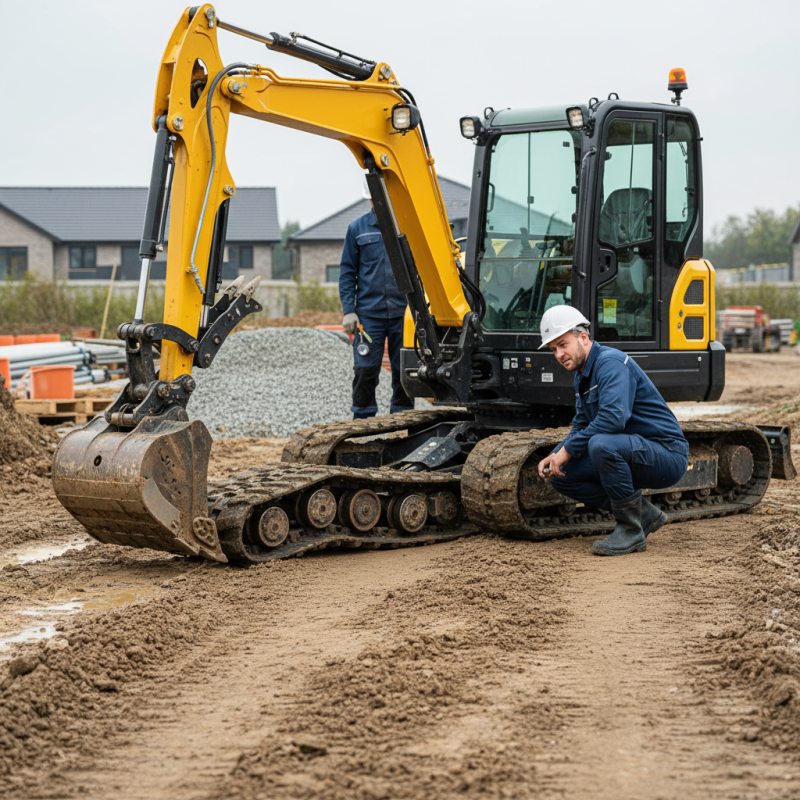
Maintaining proper track tension is crucial for mini excavators. When tracks are too loose, they risk coming off during operation. Regular checks can prevent such issues.
One effective tip is to use the manufacturer's guidelines for tensioning your tracks. This ensures the correct tightness based on your machine size and type. It helps to avoid excessive wear. Track tension should be evaluated daily. If you notice a track that seems lower than usual, adjust it immediately.
Another tip is monitoring the tracks during operation. Look for signs of wear or abnormal movement. Dirt and debris can cause tracks to loosen. Regularly cleaning the area around the drive wheels can minimize this risk. An occasional visual inspection can catch problems before they escalate.
Remember, not all machines are the same. Each has its quirks. Learn your specific model and its needs. Adjustments may sometimes feel unnecessary, but they can save costly repairs later. Keep a maintenance log to track tension adjustments and observations. Small details matter in preventing significant issues.
Mini excavators are popular for their versatility and efficiency. However, track displacement is a common issue that can hinder their performance. Understanding the root causes can help prevent this problem and ensure smoother operation.
One major cause of track displacement is improper tension. Tracks that are too loose can easily come off during operation. Regularly check the tension settings according to the manufacturer's guidelines. Another contributing factor is wear and tear on the components, like rollers and sprockets. Over time, these parts can degrade, leading to misalignment. Inspect them often for signs of damage.
Operating on uneven or rough terrain can exacerbate track issues. These conditions can invite unnecessary stress on the tracks. It is crucial to choose the right pathways and avoid overly rugged surfaces. Consistently maintain the machine with proper lubrication and cleanliness. Small steps in maintenance can lead to significant improvements in longevity and functionality. Avoid neglecting these details; they could save you time and expense in the long run.
This chart illustrates the common causes of track displacement in mini excavators, helping operators understand where prevention efforts should be focused.
Regular inspections are crucial for maintaining track integrity and alignment in mini excavators. A study by the Construction Equipment Institute indicates that nearly 30% of track issues stem from improper alignment. This misalignment can lead to increased wear and potential damage to the machine. Paying close attention to track tension is equally important. According to industry experts, too much slack can cause tracks to derail, while excessive tension can strain components.
Visual inspections should be part of a weekly maintenance routine. Check for signs of wear, such as cracks or excessive dirt buildup. These issues can escalate if not addressed promptly. Implementing best practices in inspection not only prolongs the life of the tracks but also enhances overall machine performance.
Documentation can help identify patterns in track failures. Records show that companies conducting regular inspections reduce downtime by 20%. It’s essential to reflect on these figures. If inspections are neglected, the risk of costly repairs increases significantly. Regular maintenance fosters reliability and efficiency in operations, creating a more productive work environment.
Operating conditions play a crucial role in the performance of mini excavator tracks. When used in rough terrain, tracks face extreme stress. For instance, muddy, rocky, or uneven surfaces can lead to accelerated wear and potential track misalignment. Do not underestimate the impact of sharp turns and sudden stops. They can easily dislodge the tracks if not managed carefully.
Temperature fluctuations also affect track performance. In colder climates, rubber components may become brittle, increasing the risk of breakage. Conversely, in hot conditions, tracks can expand and warp, which contributes to a poor fit. Regular inspections under varying conditions are essential to identify issues early.
Understanding these dynamics helps operators prevent costly repairs. It requires diligence and awareness of your environment. Every job site poses unique challenges. Treat the machinery with respect, and always adjust your techniques based on conditions. This thoughtful approach can reduce the frequency of track dislodgements significantly.
| Operating Condition | Impact on Track Performance | Preventive Measures | Recommended Frequency of Maintenance |
|---|---|---|---|
| Wet and muddy terrain | Increased slippage and potential track disengagement | Regularly check track tension; clean muddy tracks | After each use in wet conditions |
| Rough and rocky surfaces | Increased wear and tear on tracks and components | Inspect tracks for damage; avoid excessive speed | Weekly inspections |
| Extreme temperatures | Tracks may become brittle or too pliable | Use track materials suitable for high/low temperatures | Monthly checks |
| Heavy loads | Can cause track stretching and misalignment | Ensure load limits are adhered to; inspect tension | After heavy usage |
| Uneven ground | Causes increased lateral stress on tracks | Level the ground when possible; monitor track tension | Before significant tasks |
Maintaining mini excavator tracks is crucial. Track detachment can lead to significant downtime and costly repairs. Utilizing technology for track monitoring provides an effective solution. Sensors can track tension and wear on the tracks in real time. These alerts allow operators to address issues before they escalate.
Apps are now available that send notifications to operators. They can monitor track conditions remotely. This can lead to better decision-making in maintenance schedules. However, not all operators are using these tools effectively. Some may overlook alerts, thinking they have time to address issues later.
Integrating technology in daily operations should be a priority. Regular monitoring can prevent minor issues from escalating into major problems. The reliability of alerts is only as good as the operator's responsiveness. Reflections on one’s habits can lead to improved maintenance practices over time. Every operator should be proactive in utilizing these advancements.
: Regular inspections maintain track integrity and alignment, reducing wear and potential damage.
Nearly 30% of track issues stem from improper alignment according to a study.
Too much slack can cause tracks to derail, while excessive tension strains components.
Weekly inspections should check for wear, cracks, and dirt buildup to prevent escalation.
Keeping records can identify patterns in failures and reduce downtime by 20%.
Sensors and apps provide real-time alerts for tension and wear on tracks.
Not all operators use monitoring tools effectively and may overlook important alerts.
Remote monitoring of tracks can help operators schedule maintenance more efficiently.
Operators should consider their responsiveness to alerts and update their practices.
Neglecting inspections increases the risk of costly repairs and decreased operational efficiency.
In the quest to understand "Why are the tracks on my mini excavator coming off," it is crucial to maintain proper track tension levels. Best practices include regular monitoring of track tension to ensure optimal performance. Common causes of track displacement, such as wear and tear or improper installation, should be promptly addressed to prevent track issues.
Regular inspections play a vital role in assessing track integrity and alignment. Operating conditions, including terrain and load, significantly impact track performance, making it essential to adapt operations accordingly. Additionally, utilizing technology for track monitoring and maintenance alerts can help preemptively identify potential problems, ensuring that tracks remain securely in place and enhancing the longevity of the mini excavator. By following these guidelines, operators can minimize the risk of track disengagement and improve overall efficiency.

BTEra Excavator