When exploring the world of mini excavators, a common question arises: "Can a mini excavator fit through a standard side gate?" This inquiry is critical for contractors and homeowners alike. Industry expert Mark Thompson notes, "Understanding the dimensions of your equipment is vital for successful site access." His insight highlights the importance of knowing the size of mini excavators, especially in urban settings.
Mini excavators are designed for versatility and compactness. Many models measure less than 36 inches wide, making them capable of squeezing through standard side gates. This feature opens new possibilities for landscaping, plumbing, and small construction projects. However, not all mini excavators match these dimensions. It's essential to research specific models and their measurements.
Choosing the right mini excavator can be challenging. A contractor may find a perfect model, yet it might be too wide. The risk of failing to assess access points can lead to unnecessary delays. Therefore, careful planning and knowledge are fundamental before making a purchase. Understanding the precise measurements of the intended machinery will guide operators in making informed decisions.
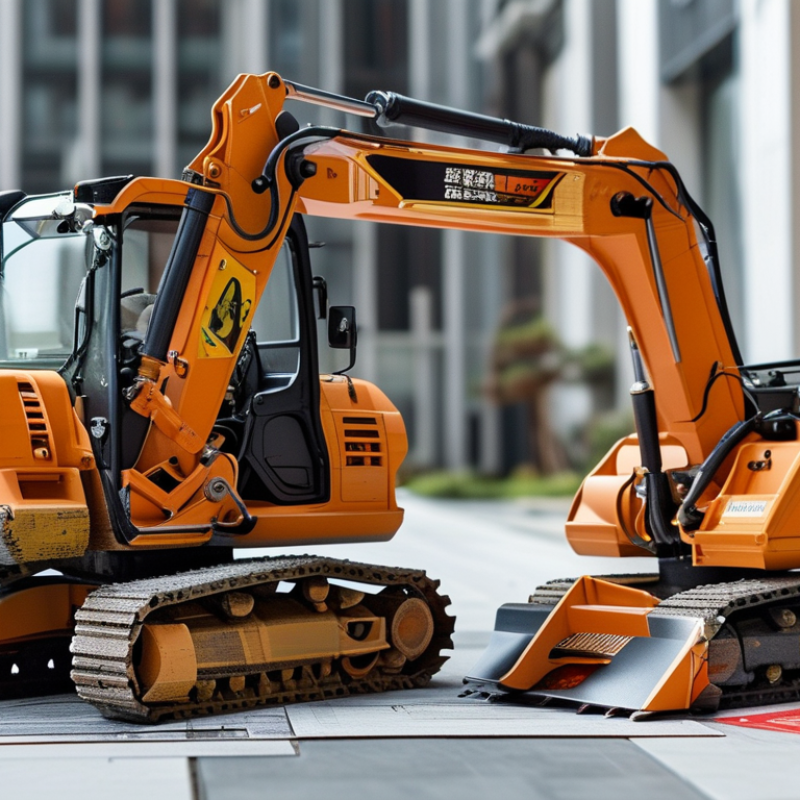
Overview of Mini Excavators in China
Mini excavators have become essential in construction and landscaping industries in China. Their compact size allows them to navigate tight spaces and access areas that larger machinery cannot. These machines are particularly popular for urban projects where space is limited. Their ability to fit through standard side gates makes them especially versatile.
In this market, numerous manufacturers offer mini excavators. However, consumers should focus on reliability and performance over brand names. It's important to consider attachments and functionalities that match specific projects. While many models offer impressive power, some may fall short in durability. Common issues include hydraulic power limitations and maneuverability challenges in uneven terrain. This variability necessitates careful evaluation before purchase.
Expert insights highlight that operating experience plays a significant role in maximizing mini excavators' potential. Training operators ensures efficiency and safety on the job site. Yet, many still overlook proper maintenance routines. Unmet expectations often arise from neglecting regular equipment care. This can lead to increased downtime and repair costs.
China Top 10 Mini Excavators That Fit Through Standard Side Gates
Key Features of Mini Excavators Suitable for Side Gates
When selecting mini excavators that can fit through standard side gates, several key features are essential. The width of a mini excavator typically ranges from 24 to 36 inches. This allows it to pass through most residential gates, which are usually around 36 inches wide. According to industry reports, narrowing the machine's dimensions helps enhance maneuverability in tight spaces.
A powerful yet compact engine is crucial. Usually, mini excavators have engines ranging from 10 to 25 horsepower. This power-to-size ratio allows operators to tackle tough jobs without sacrificing agility. Moreover, advanced hydraulic systems in these machines offer better performance while maintaining a small footprint. Operators should ensure that the hydraulic flow is adequate for their specific attachments.
Payload capacity is another important aspect. Most mini excavators can lift between 1,500 and 3,000 pounds. However, it is vital for users to reflect on their specific needs. The right capacity prevents overloading and enhances safety during operation. Also, features like extendable tracks can provide extra stability while working in confined areas. Users must consider these factors carefully to choose the best-fit excavator for their operations.
Top 10 Mini Excavators from Chinese Brands
Mini excavators are essential for various construction and landscaping projects. They excel in tight spaces, especially where standard side gates limit access. The compact design of these machines allows them to maneuver easily in confined areas. Chinese brands have made significant strides in this segment, offering a variety of options that cater to different needs.
One notable aspect of these mini excavators is their power and efficiency. They often come equipped with advanced hydraulic systems, allowing for impressive digging capabilities despite their small size. However, it's vital to consider the balance between power and maneuverability. While some models may excel in performance, they might compromise on compactness or weight. Buyers should weigh these factors carefully before making a choice.
Another point to reflect on is the after-sales service and support. While many Chinese brands offer competitive pricing, service availability can vary. Always verify warranty terms and parts accessibility. Having reliable support can make a significant difference in overall satisfaction. It's essential to conduct thorough research and possibly consult with operators who have firsthand experience with these machines.
Comparison of Specifications and Capabilities
Mini excavators are increasingly popular for their versatility and size. Many models easily fit through standard side gates, making them ideal for urban and residential areas. They are perfect for landscaping, digging, and construction in tight spaces. When selecting a mini excavator, key specifications such as weight, digging depth, and engine power are crucial.
Considering capabilities, digging depth varies significantly among models. Some can dig up to 10 feet deep, while others are limited to 5 feet. Additionally, the engine power influences performance. For instance, higher horsepower allows for better lifting capability and faster operation. Maneuverability also plays an important role. A compact design helps operators navigate confined areas effectively. However, finding the right balance between power and size can be challenging.
Another factor to ponder is machine weight. Heavier models provide stability but may struggle in soft ground. Conversely, lighter models might excel in technology but lack strength. Each choice involves trade-offs that demand careful consideration. Ultimately, understanding the specifications and capabilities is essential. This ensures the mini excavator meets your specific needs and project requirements.
China Top 10 Mini Excavators That Fit Through Standard Side Gates - Comparison of Specifications and Capabilities
| Model |
Width (mm) |
Operating Weight (kg) |
Engine Power (kW) |
Max Dig Depth (mm) |
Bucket Capacity (m³) |
| Model A |
800 |
1200 |
15 |
2000 |
0.03 |
| Model B |
850 |
1300 |
18 |
2100 |
0.04 |
| Model C |
780 |
1150 |
14 |
1950 |
0.025 |
| Model D |
900 |
1400 |
20 |
2200 |
0.045 |
| Model E |
820 |
1250 |
16 |
2050 |
0.035 |
| Model F |
840 |
1350 |
19 |
2150 |
0.05 |
| Model G |
770 |
1100 |
13 |
1800 |
0.02 |
| Model H |
860 |
1500 |
22 |
2300 |
0.048 |
| Model I |
750 |
1050 |
12 |
1750 |
0.018 |
| Model J |
890 |
1600 |
24 |
2400 |
0.06 |
Factors to Consider When Choosing a Mini Excavator
When selecting a mini excavator to fit through standard side gates, several factors should guide your decision. First, the width is crucial. Standard side gates typically measure around 36 to 48 inches. It’s essential to know the exact gate size. Compact models are often designed to maneuver through tighter spaces, allowing for efficient access to backyard and residential areas.
Weight is another significant consideration. Lighter models can be easier to transport and operate in limited spaces. However, make sure the weight does not compromise the machine’s stability and power. Next, think about the reach and digging depth. Some projects may require a longer arm or deeper digging capabilities, especially in landscaping and construction. Understanding the specific project needs can help eliminate unnecessary options.
Ease of operation should not be overlooked. Some mini excavators have more user-friendly controls, benefiting inexperienced operators. Reliability and maintenance are also vital. Equipment that requires less frequent servicing will save time and cost in the long run. It’s important to research various models to find the best balance of size, power, and ease of use suitable for your tasks.
FAQS
: Mini excavators are mainly used in construction and landscaping projects, especially in tight spaces.
Their compact size allows them to fit through side gates and navigate limited access areas.
Focus on reliability and performance, rather than brand names. Assess attachments for specific project needs.
Hydraulic power limitations and maneuverability on uneven terrain can be problematic.
Proper training maximizes efficiency and safety, but many still neglect it, leading to problems.
Regular maintenance prevents increased downtime and repair costs, which are often overlooked by users.
Balance power with maneuverability; some powerful models may lose compactness or become heavier.
The availability of service and parts varies; reliable support is critical for long-term use.
Conducting thorough research and consulting experienced operators can enhance product understanding.
Some models may excel in power but can be less durable, highlighting the need for thorough evaluation.
Conclusion
Mini excavators have become increasingly popular in China due to their compact size and versatility, particularly for urban landscaping and construction projects that involve tight spaces. One common question is, "Can a mini excavator fit through a standard side gate?" The article provides an overview of mini excavators designed specifically to navigate through such narrow openings.
Key features of these machines include reduced dimensions, powerful performance, and various attachments that enhance their utility in limited-access areas. The article lists the top 10 mini excavators available from Chinese brands, comparing their specifications and capabilities to help users make informed decisions. Additionally, it discusses important factors to consider when selecting a mini excavator, such as weight, bucket size, and versatility, ensuring that operators can effectively utilize these machines in confined environments.

 BTEra Excavator