Choosing the right mini excavator for your backyard DIY project can feel overwhelming. Industry expert John Martinez, a renowned equipment specialist, advises, "Assess your needs before making a decision." This is crucial for any homeowner.
When selecting the best mini excavator, consider the size of your yard and the scope of your project. A lighter model may suffice for simple landscaping. However, if you're tackling larger tasks, a more robust machine may be necessary. Take time to explore various options.
Do not rush into a purchase. Look for user-friendly features. Research customer reviews to understand real-world performance. It’s also wise to test a few models before buying. A well-informed choice will lead to a successful DIY experience. Remember, understanding how to choose the right mini excavator for backyard DIY is key to completing your project efficiently and effectively.
Understanding Your Backyard Project Requirements
When planning a backyard DIY project, it’s crucial to understand your specific requirements.
Consider the size of your yard and the scope of work involved.
Will you need to dig trenches for landscaping, install a patio, or remove tree stumps?
Each task varies in complexity and demands different equipment.
Identify the depth and width of spaces you’ll need to work within.
This will inform your choice of a mini excavator.
Also, assess the terrain in your backyard. Are there slopes or uneven surfaces?
A machine with good maneuverability will enhance your efficiency.
Check for access points to your yard; some models might be too wide to fit through gates or narrow pathways.
You may want to measure these areas beforehand.
Reflect on your comfort level with machinery. If you’re unfamiliar with operating excavators,
prioritize user-friendly options that come with clear instructions.
Think about the duration of your project as well. If you expect the work to take longer than a weekend,
consider the rental terms and costs. Unforeseen delays are common in DIY work.
Keeping track of your project’s progress can help you avoid feeling overwhelmed.
Balancing functionality with ease of use will make your backyard project a more enjoyable experience.
Assessing Mini Excavator Types and Their Features
When choosing a mini excavator for your backyard DIY projects, it’s essential to assess the different types available. There are wheeled and tracked models. Wheeled excavators are more flexible on paved surfaces. They are easy to maneuver but may struggle on uneven ground. Tracked models offer better stability and traction. They excel in loose, muddy, or hilly terrains.
Each type has unique features that cater to different needs. Mini excavators differ in size, weight, and attachment options. A lighter model is easier to transport but may lack power. Consider the lift capacity. Some excavators can lift more than others, making them suitable for various tasks. Attachments like buckets and augers can further enhance versatility.
It’s also crucial to think about your experience level. New operators might find certain models daunting. Safety features are vital, too. Check for stability, visibility, and controls. Some machines have specific safety requirements. Researching helps here, but hands-on experience is invaluable. Reflect on your project scope and backyard’s layout to make the right choice.
How to choose the best mini excavator for your backyard DIY? - Assessing Mini Excavator Types and Their Features
| Type |
Weight (lbs) |
Max Dig Depth (ft) |
Width (in) |
Horsepower (HP) |
Features |
| Standard Mini Excavator |
5,000 |
10 |
36 |
40 |
Versatile with attachments |
| Compact Mini Excavator |
3,500 |
8 |
28 |
30 |
Ideal for tight spaces |
| Larger Mini Excavator |
10,000 |
12 |
48 |
50 |
Heavy-duty work |
| Electric Mini Excavator |
4,000 |
7 |
30 |
25 |
Quiet operation |
Evaluating Size and Weight Considerations for Compact Areas
Choosing the right mini excavator for your backyard involves careful consideration of size and weight, especially in compact spaces. A report from the Construction Equipment Association highlights that about 60% of homeowners prefer models weighing under 3,500 pounds for residential projects. This weight class is manageable for most residential settings, allowing for easy maneuverability. In tight areas, a narrower width under 40 inches is crucial for accessing gates or narrow paths.
Additionally, the size of the mini excavator impacts its stability and digging depth. According to data from the Equipment Leasing and Rental Association, smaller machines may only reach depths of 5 feet, whereas larger models can exceed 10 feet. If your project involves deeper excavations, this limitation needs to be acknowledged. A heavier machine can provide more stability, but it might compromise your ability to navigate small yards.
Choosing the right balance of size and weight can be challenging. You want efficient performance without damaging existing landscapes or structures. Many operators realize only after purchasing that their choice didn’t fit their specific needs. This highlights the importance of deeply evaluating your yard's layout and potential obstacles before making a decision. Understanding these factors is essential for a successful DIY experience.
Comparing Key Specifications: Power, Reach, and Versatility
When selecting a mini excavator for your DIY backyard projects, focusing on key specifications like power, reach, and versatility is essential.
Power determines how efficiently the machine can handle tough tasks. A higher horsepower rating can improve digging speed and effectiveness, especially in hard soil. However, more power often means more weight, which might limit maneuverability in tight spaces.
Reach is another crucial factor. The digging depth and the maximum reach of the arm affect how versatile the machine can be. A mini excavator with a longer reach can easily access hard-to-reach areas, making it suitable for various projects, from landscaping to foundation work. But there’s a trade-off. Taller machines may struggle on uneven terrain.
Versatility also depends on attachment options. Many mini excavators support different tools like buckets, augers, or breakers. This adaptability allows you to tackle a wider range of tasks. It's vital to consider where you will use the excavator. Terrain types can impact the effectiveness of your chosen model. Research can reveal the best fit, but real-world testing is irreplaceable. Take a moment to reflect on your actual needs and budget constraints. This process can help avoid costly mistakes in your DIY journey.
Budgeting for Purchase and Maintenance of Mini Excavators
When considering the purchase of a mini excavator, budgeting is crucial. The average cost for a new mini excavator ranges from $20,000 to $50,000. A well-planned budget should not only include this initial cost but also consider maintenance expenses. According to a report by EquipmentWatch, maintenance can account for 10-15% of the total ownership cost annually. This means setting aside about $2,000 to $7,500 for upkeep.
It's essential to factor in operational costs as well. Fuel consumption of mini excavators is generally 1.5 to 2 gallons per hour, depending on the model and workload. With fuel prices fluctuating, this can add up. A construction equipment price index shows that fuel costs can rise by nearly 20% per year. Additionally, don't forget insurance costs, which can range from $500 to $2,000 yearly.
While a mini excavator can make DIY projects easier, the total cost can quickly escalate. Reflect on your needs and how often you’ll use the machine. Perhaps renting could be a more economical choice for infrequent tasks. Balancing your desire for convenience with financial realities will ensure a sound investment.
FAQS
: Consider the size of your yard and the work scope. Identify tasks like trenching or patio installation.
Assess types available. Wheeled models are flexible, but tracked ones offer better stability on uneven ground.
Terrain matters. Slopes or uneven surfaces require machines with good maneuverability.
Very important. Some models may not fit through narrow gates or pathways. Measure beforehand.
If unfamiliar with excavators, choose user-friendly models with clear instructions to ease the learning process.
Anticipate potential delays. If the project extends beyond a weekend, review rental terms and costs.
Tracking helps avoid feeling overwhelmed. It provides a sense of accomplishment as you complete tasks.
Look at size, weight, and attachment options. Lighter models are easier to transport but may lack power.
They increase versatility and efficiency for various tasks, making your excavator more functional.
Check for stability, visibility, and control features. They are crucial for safe operation, especially for new operators.
Conclusion
When considering how to choose the right mini excavator for backyard DIY projects, it's essential to begin by understanding your specific project requirements. This involves assessing the types of tasks you plan to undertake, whether it's landscaping, digging, or grading. Different mini excavator types come with unique features, so identifying which one aligns best with your needs is crucial.
Next, focus on size and weight considerations, especially if you have compact areas to navigate. Evaluating key specifications such as power, reach, and versatility will help you determine the most suitable excavator for your tasks. Lastly, don’t forget to budget not just for the purchase but also for the ongoing maintenance of the mini excavator, ensuring a practical investment for your backyard DIY endeavors.
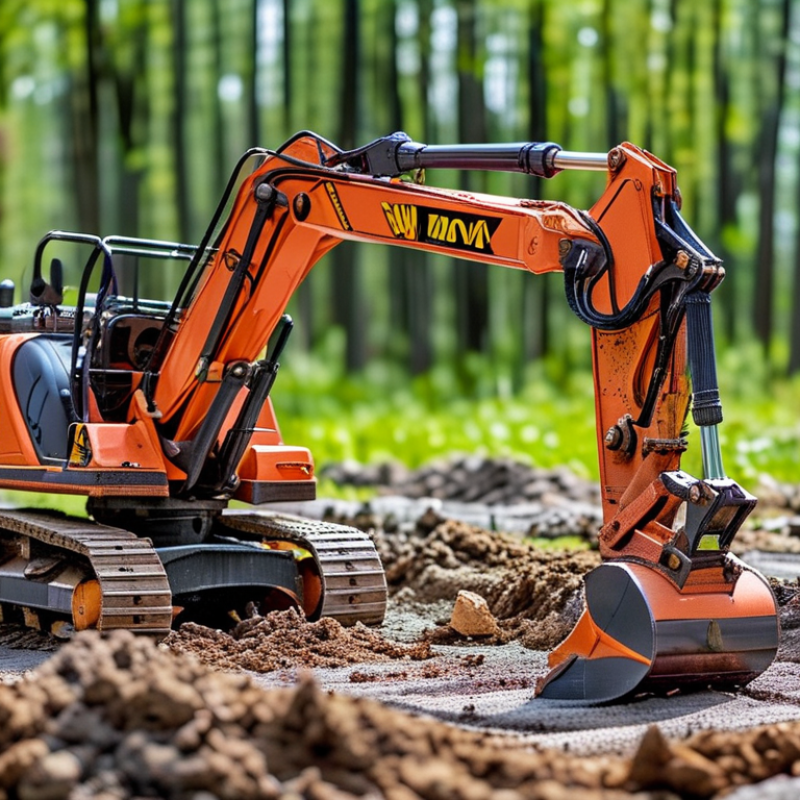

 BTEra Excavator