What is the difference between zero tail swing and conventional tail swing?

Time:2026-07-25 Author:Aria
0%

When exploring heavy machinery, a critical question surfaces: "What is the difference between zero tail swing and conventional tail swing?" Understanding this distinction is vital for operators and construction managers. Renowned industry expert John Smith, a veteran with over 20 years in heavy equipment, emphasizes, "Choosing the right machine can enhance safety and efficiency on site."

Zero tail swing machines have a design that allows the tail to remain within the width of the tracks. This feature enables operation in tight spaces. Conversely, conventional tail swing machines have a protruding rear, requiring more room for maneuvering. This difference significantly impacts how and where these machines can be used, especially in urban or confined areas.

The choice between these two types hinges on specific job site needs. While zero tail swing offers versatility, its stability can sometimes be questioned compared to conventional designs. Operators must weigh these factors carefully. Being aware of the nuances in design can prevent potential accidents and equipment mishaps.
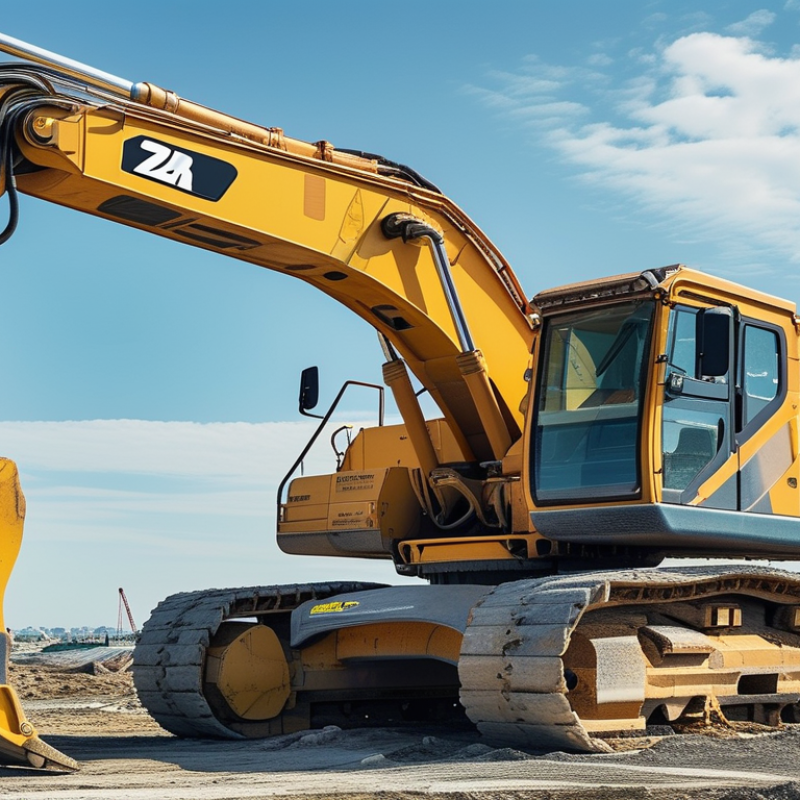
What is the difference between zero tail swing and conventional tail swing?

Definition of Zero Tail Swing and Conventional Tail Swing

Zero tail swing and conventional tail swing are two common configurations in excavators and other heavy machinery. Understanding these differences is crucial for operators and project managers.


Zero tail swing machines have a compact design. The back of the equipment does not extend beyond the tracks. This design allows for work in tight spaces. It's especially useful in urban areas where space is limited. Operators can maneuver closely to buildings and other obstacles without worrying about the machine's rear end swinging into anything.


On the contrary, conventional tail swing models have a larger footprint. Their back extends beyond the tracks, requiring more space to operate. This feature provides stability in various conditions but limits usage in cramped environments. Operators need to be aware of their surroundings to avoid collisions.


The choice between these two types depends on specific job site requirements and spatial constraints. Each configuration has its pros and cons. Recognizing these can enhance efficiency and safety on the job.

Key Features of Zero Tail Swing Excavators

Zero tail swing excavators are designed for tight spaces. They do not extend beyond the tracks when rotating. This design reduces the risk of collision in crowded job sites. Operators can work near buildings or other obstacles without worrying about swinging parts.

Key features of zero tail swing excavators include compact dimensions and agility. Their short rear ends allow for better maneuverability. This makes them ideal for urban construction projects. Many models come equipped with advanced hydraulic systems. These enhance lifting capabilities while maintaining stability even in confined areas.

While zero tail swing excavators have many advantages, they also present challenges. For instance, they may lack the power of conventional models. Therefore, they might not be the best choice for heavy-duty work. Additionally, the price point can be higher for these specialized machines. Choosing the right equipment depends on the specific requirements of the job. Operators should weigh the pros and cons before making a decision.

Key Features of Conventional Tail Swing Excavators

Conventional tail swing excavators are widely recognized for their large rear overhangs. This feature is crucial for stability but can limit maneuverability in tight spaces. According to a study by the American Rental Association, about 57% of operators reported challenges working in urban environments due to this tail swing. The rear overhang typically increases the machine's overall footprint, making it difficult in congested job sites.

Another key characteristic of conventional tail swing excavators is their counterweight design. The counterweight helps maintain balance during heavy lifting but also requires more space for safe operation. Data from the Equipment Dealers Association indicates that conventional tail swing machines account for 70% of the excavator market in North America. This dominance points to their reliability but highlights the need for operators to navigate space limitations effectively.

Despite their popularity, some challenges emerge in daily operations. Operators must consistently evaluate site layouts to ensure safety. The potential for accidents increases, especially in populated areas. This calls for ongoing training and awareness programs aimed at improving operational safety, allowing conventional machines to coexist with newer designs.

Advantages and Disadvantages of Zero Tail Swing

Zero tail swing and conventional tail swing are two designs in heavy machinery, primarily excavators. These machines are essential in construction, digging, and landscaping tasks. The key difference lies in the radius of their rear swing. Zero tail swing machines rotate within their own footprint. This feature is crucial for working in tight spaces.

The advantages of zero tail swing are evident. They minimize the risk of collisions when maneuvering in confined areas. Operators can dig closer to structures without fear of hitting obstacles. However, the compact design may limit reach and digging depth compared to conventional machines.

On the other hand, conventional tail swing excavators provide greater stability and lifting capability. Their larger rear radius allows for more powerful digging. Yet, they require more space to operate effectively. This trade-off can make them less ideal in urban environments where space is limited. Operators must reflect on their specific project needs when choosing between the two designs. Each has its strengths and weaknesses.

What is the difference between zero tail swing and conventional tail swing? - Advantages and Disadvantages of Zero Tail Swing

Feature Zero Tail Swing Conventional Tail Swing
Swing Radius Compact, minimal tail overhang Larger tail overhang, affects proximity during operations
Maneuverability Higher in confined spaces Limited in tight areas
Stability Improved stability due to lower center of gravity Can have higher center of gravity, affecting stability
Cost Generally higher initial investment Lower initial cost, but potential higher operating costs
Work Environment Ideal for urban construction sites Suitable for large open areas
Maintenance May require specialized service Standard maintenance processes
Operator Visibility Enhanced visibility due to compact design Reduced visibility due to larger tail

Advantages and Disadvantages of Conventional Tail Swing

Conventional tail swing excavators have a rear counterweight that extends beyond the tracks. This design affects maneuverability in tight spaces. For operators working in urban areas or confined job sites, this can pose a significant challenge. The risk of collision with surrounding structures or equipment increases.

One advantage of conventional tail swing is stability. The rear counterweight provides better balance when digging or lifting heavy loads. This makes it suitable for heavy-duty tasks. However, the size also limits accessibility. Operators must plan routes carefully, especially in crowded environments. The potential for damage during operation is a concern.

In contrast, zero tail swing excavators allow for capabilities in tighter spaces. They are designed to minimize the rear swing radius, making them safer in crowded environments. However, they often lack the same lifting capacity as conventional machines. This trade-off requires careful consideration based on the specific job requirements. Balancing efficiency and safety is often challenging, but essential for success.

Comparison of Zero Tail Swing and Conventional Tail Swing

FAQS

: What is zero tail swing?

: Zero tail swing refers to machines designed so their rear does not extend beyond the tracks.

Why is zero tail swing beneficial?

This design allows for safer operation in tight spaces, minimizing collision risks with structures.

What are the limitations of zero tail swing?

Despite its compactness, zero tail swing may limit reach and digging depth compared to conventional models.

What defines conventional tail swing?

Conventional tail swing machines have a larger rear overhang that can extend beyond the tracks.

What are the advantages of conventional tail swing excavators?

They offer greater stability and lifting capabilities, allowing for more powerful digging operations.

In what environments are conventional tail swing models challenging?

Their larger footprint makes them difficult to maneuver in congested or urban job sites.

How important is operator awareness for conventional models?

Operators must evaluate surroundings consistently to avoid accidents, especially in populated areas.

What should operators consider when choosing between the two types?

Each machine's strengths and weaknesses must align with specific project requirements and site layouts.

Are training programs necessary for operators?

Yes, ongoing training is vital to improve safety and adapt to different machine designs effectively.

Is one design always better than the other?

Not necessarily; both designs have unique pros and cons that require careful consideration before use.

Conclusion

The article "What is the difference between zero tail swing and conventional tail swing?" explores two distinct types of excavator designs, highlighting their unique characteristics. Zero tail swing excavators are designed with a compact profile, allowing the rear of the machine to remain within its track width during operation, which significantly enhances maneuverability in tight spaces. On the other hand, conventional tail swing excavators feature a larger rear overhang, providing greater stability and reach, but are less effective in confined areas.

The article further discusses the advantages and disadvantages of each type. Zero tail swing models benefit from improved safety and flexibility but might compromise on stability and lifting capacity. In contrast, conventional tail swing excavators offer superior power and performance for heavy-duty tasks but can pose challenges in cramped environments. Understanding these differences is crucial for operators and project managers in selecting the right machinery for their specific applications.

Aria

Aria

Aria is a dedicated marketing professional with a deep passion for innovative strategies and a keen understanding of our company's product offerings. With a wealth of experience in the industry, Aria excels at crafting engaging content that highlights the unique features and benefits of our......