When it comes to moving rocks efficiently, understanding "How to use a mini excavator thumb to move rocks" is essential. Expert Bob Johnson, a seasoned operator with over 15 years in the industry, emphasizes, "A thumb attachment transforms your mini excavator into a powerful tool for grasping and maneuvering rocks." This statement encapsulates the significant advantage of using a thumb.
The thumb attachment provides the flexibility needed to handle irregular shapes and sizes. It can grasp larger boulders and delicate stones alike. The grip enhances control, allowing operators to position rocks with precision. However, improper usage can lead to challenges. For instance, underestimating the weight of rocks might cause equipment strain. Additionally, misalignment can result in dropped stones, which is dangerous.
Utilizing a mini excavator thumb requires practice and awareness. Each rock presents unique challenges and demands different techniques. Operators must also be cautious of their surroundings. Attention to detail is vital for both efficiency and safety on the job site. Balancing power with control is key to mastering this skill, making the thumb a versatile tool in rock moving tasks.
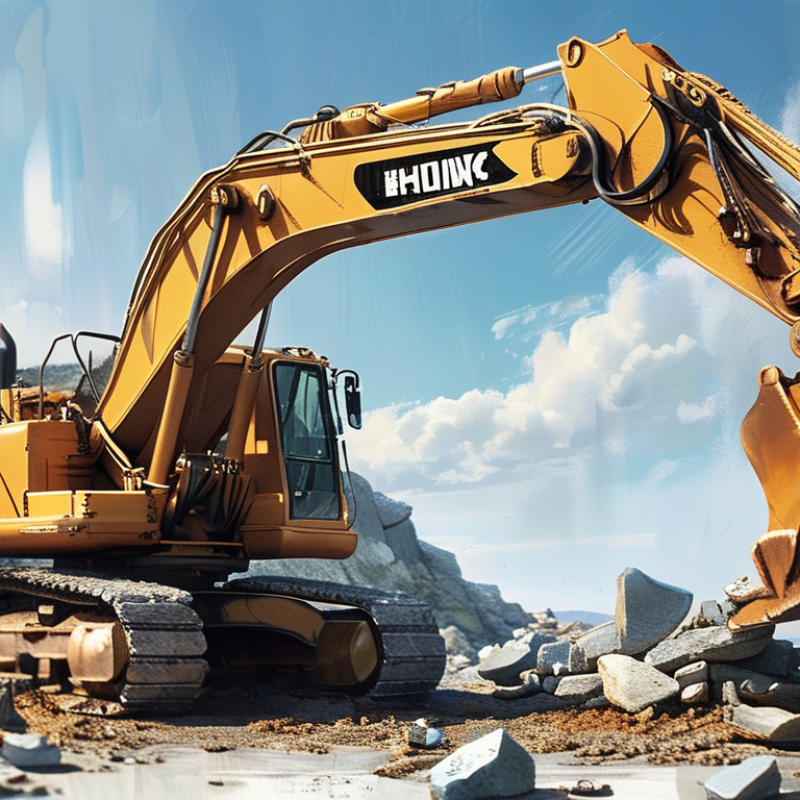
Mini excavator thumbs are essential tools when moving rocks. They enhance versatility and control, allowing operators to grasp, lift, and place rocks safely. Understanding how to use them effectively is key for any excavation project. The thumb functions like a claw, providing a reliable grip on irregularly shaped rocks. This capability dramatically reduces the risk of dropping or damaging materials.
One effective tip is to adjust your thumb's grip according to the size of the rock. Smaller rocks require a lighter touch, while larger ones need a firm grip. Take time to practice before tackling larger projects. This will improve your confidence and skill level. Be careful to maintain a proper angle when lifting. A good angle can prevent tipping, which can lead to accidents.
It's important to remember that even experienced operators can face challenges. Improper use can lead to dropped rocks or equipment damage. Regularly inspect your thumb for wear and tear. If issues arise, don't hesitate to consult the equipment manual or seek expert advice. Investing in understanding your tool enhances safety and efficiency on the job site.
Choosing the right mini excavator thumb for rock moving is crucial for efficiency and safety. The thumb's design can significantly impact its performance. A well-fitted thumb enhances the excavator's ability to grasp and manipulate large rocks, reducing the risk of dropping or misplacing materials. In a recent industry report, it was noted that using an appropriate thumb can increase productivity by up to 30%. This is invaluable when working in tight spaces where precision is key.
Material composition is also a significant factor. Thumbs made from high-strength steel tend to withstand wear and tear better than standard options. They provide durability and reliability, ensuring that operators can work without frequent replacements. Additionally, some studies indicate that a thumb with a curved design can grip irregularly shaped rocks more effectively. This adaptability can streamline operations, but some operators still struggle with installation and adjustment, leading to performance issues.
Another consideration is the thumb's weight. A heavier thumb can complicate handling and may lead to decreased precision. Operators need to balance the need for strength with ease of use. It’s important to evaluate project specifications and equipment capabilities when selecting a thumb. Not every project demands the most robust option. Occasionally, the best choice might be a lighter, more maneuverable thumb that allows for intricate movements in confined areas.
Moving rocks with a mini excavator thumb requires specific techniques to maximize efficiency and safety. Utilize a firm grip on the thumb. This can dramatically improve your control over irregularly shaped rocks. According to the National Institute for Occupational Safety and Health, proper use of equipment can prevent accidents and injuries, making safety paramount. Avoid rushing the process to minimize the risk of slipping.
Position the excavator close to the rock to effectively leverage the thumb's capabilities. Ensure that the thumb fully encloses the rock before lifting. Studies show that improper handling can lead to equipment damage and costly repairs. This highlights the importance of focusing on stability and control while maneuvering larger rocks. Keep the load balanced by adjusting your stance and operating speed.
Experiment with different angles for optimal lifting. Rocks may react unpredictably based on their shapes and sizes. Even experienced operators find this a challenge. Take time to assess each situation. Success comes from understanding physics and applying it in real-world scenarios. Each lift should serve as a learning opportunity, refining your technique over time.
| Technique | Description | Best Practices | Safety Tips |
|---|---|---|---|
| Hooking | Using the thumb to grip the rock securely. | Ensure the rock is stable before lifting. | Wear protective gloves and check surroundings. |
| Rotating | Positioning the excavator for proper rock placement. | Plan the path before moving the rock. | Stay clear of the swing radius. |
| Lifting | Using the thumb to lift and transport rocks. | Lift smoothly to avoid rock dropping. | Keep load low and stable while moving. |
| Dumping | Placing the rock at the desired location. | Approach dump area with caution. | Ensure area is clear before dumping. |
| Adjusting | Fine-tuning rock position after placement. | Use small adjustments for precision. | Be aware of hand placement when adjusting. |
When using a mini excavator thumb for moving rocks, safety precautions are crucial. According to industry reports, nearly 40% of accidents in construction occur due to improper equipment handling. Workers must ensure they understand the equipment's capabilities and limitations. Before operating, inspect the thumb for any wear or damage. A simple visual check can prevent serious incidents.
Always secure loose clothing and avoid standing underneath an elevated load. The Center for Construction Research and Training suggests that proper training can reduce accident rates by up to 30%. Workers should wear appropriate safety gear, including helmets and gloves. Additionally, maintain a safe distance from the excavator’s swing radius. The thumb's grip must be tested on smaller rocks before handling larger ones.
Relying solely on the machine's power can lead to complacency. Operators should remain alert and aware of their surroundings. Communicate clearly with ground crew members. Accidents often arise from miscommunication. The combination of proper training and adherence to safety guidelines can significantly reduce risks. Even small oversights can lead to serious injuries.
Maintaining a mini excavator thumb is crucial for its performance and longevity. Regular checks can extend its lifespan significantly. For instance, proper lubrication of pivot points can decrease wear and tear by up to 30%. An industry report indicates that well-maintained attachments can last 50% longer than neglected ones.
A few tips for effective maintenance include inspecting hydraulic connections regularly. Loose connections can lead to leaks, affecting performance. Keep the thumb clean, removing dirt and debris after use. This simple step can prevent corrosion and enhance function. Also, check for cracks or wear on the thumb. Early detection can save costly repairs later.
Hydraulic fluid levels should be monitored frequently. Low levels can cause overheating and damage. It's beneficial to replace the hydraulic fluid based on the manufacturer's recommendations. An expert survey shows that only 40% of operators follow this guideline, risking equipment failure. By prioritizing these maintenance tips, you’ll not only ensure the thumb's longevity but also optimize your mini excavator’s overall efficiency.
: A mini excavator thumb helps in grasping, lifting, and placing rocks safely.
Adjust the grip based on rock size; smaller rocks need a lighter touch, larger ones require a firm grip.
Practicing enhances confidence and skill, allowing better handling of larger rocks during projects.
Maintain a proper angle to prevent tipping, which can lead to accidents and equipment damage.
Inspect it regularly and consult the manual or seek expert advice if issues arise.
A well-fitted thumb increases grasping ability, reducing the risk of dropping materials, especially in tight spaces.
High-strength steel thumbs are more durable and reliable than standard options, resisting wear better.
A heavier thumb can decrease precision; operators should balance strength and ease of use depending on the project.
Regular lubrication, cleaning, and checking for leaks can significantly extend the thumb's life.
Low fluid levels can cause overheating and damage, yet only 40% of operators replace it as recommended.
In this article, we explore how to use a mini excavator thumb to move rocks effectively. We begin by understanding the functionality of mini excavator thumbs, which enhance the gripping power of the excavator, allowing for better control and precision when handling rocks. Choosing the right thumb is crucial; we discuss various options tailored for rock moving tasks to optimize performance.
Techniques for maneuvering rocks with a mini excavator thumb are outlined, emphasizing the importance of proper positioning and movement strategies. Safety precautions are integral to the operation, ensuring that users remain protected during their work. Finally, we provide maintenance tips for mini excavator thumbs to promote longevity and reliability. This comprehensive guide equips operators with the knowledge necessary to utilize mini excavator thumbs effectively for moving rocks, enhancing productivity and safety on the job site.

BTEra Excavator