In the world of mini excavators, hydraulic oil temperature management is critical. An increase in temperature can lead to equipment failure and downtime. According to a report from the American Society of Mechanical Engineers (ASME), improper fluid temperature can cause a 30% reduction in hydraulic efficiency. This raises the question, "Why is my mini excavator hydraulic oil getting too hot?"
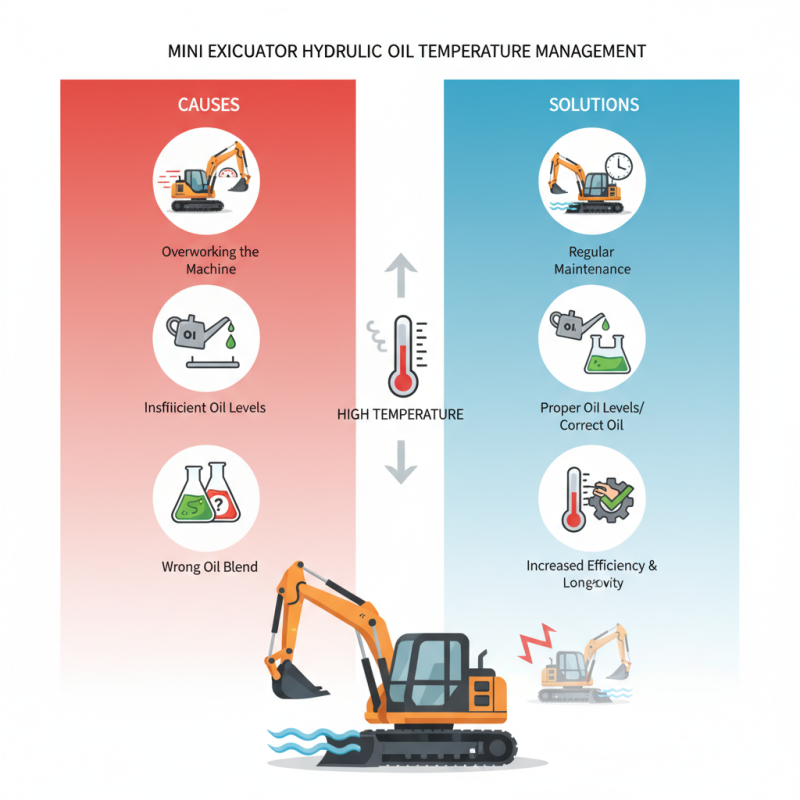
Expert Tim Franks, a hydraulic system engineer with over 15 years of experience, emphasizes, "Ignoring hydraulic oil temperature can spell disaster for your machinery." Common culprits include overworking the machine, insufficient oil levels, or using the wrong oil blend. Whenever temperatures exceed the recommended range, operators must address potential issues promptly.
Understanding the causes and solutions for high hydraulic oil temperature can save costly repairs. It's essential to regularly monitor the hydraulic system and implement preventive measures. Conversations with operators often reveal that many overlook routine maintenance, leading to increased operating temperatures. This gap can become an expensive oversight in the long run.
High hydraulic oil temperature in mini excavators can lead to reduced performance. Recognizing the symptoms early is vital. One common sign is the excavator's sluggish response. When you operate the joystick, the machine may hesitate. This delay is often due to overheating oil. You might also notice a decrease in lifting capabilities, making operations less efficient.
Another indicator is the smell of burnt oil. If you catch a whiff of something unusual, it’s a warning sign. The oil might be breaking down, leading to poor lubrication. Check the temperature gauge regularly. If it crosses the normal range, take immediate action. Inspect various components, including the oil cooler. Blockages can prevent proper cooling.
Listening to the machine is also essential. Unusual noises might signal problems. Pay attention to grinding or whining sounds. These sounds could indicate wear due to excessive heat. Regular maintenance checks are essential to identify these symptoms earlier. If ignored, the consequences can be costly and time-consuming. The key is being observant and responsive to changes in machine behavior.
| Symptoms | Possible Causes | Recommended Solutions |
|---|---|---|
| Overheating warning light activated | High ambient temperature or blocked cooling system | Inspect and clean the cooling system; avoid operating in extreme temperatures. |
| Hydraulic fluid discoloration | Degradation of hydraulic oil due to excessive heat | Replace hydraulic oil with fresh fluid; ensure oil meets specifications. |
| Unusual noise from hydraulic components | Low oil levels or contamination | Check and top off hydraulic fluid; flush system if contaminated. |
| Decreased equipment performance | High operating temperature affecting hydraulic efficiency | Evaluate and repair leaks; consider installing a larger hydraulic cooler. |
| Hydraulic cylinders creeping or drifting | Faulty seals or excessive fluid temperature | Inspect and replace seals; monitor and stabilize temperature. |
High hydraulic oil temperature in mini excavators can significantly impact performance and efficiency. Understanding the causes behind the elevated temperatures is essential for proper maintenance. One primary cause is contaminated hydraulic fluid. Studies show that contaminants can reduce the oil's effectiveness, leading to overheating. Regular fluid testing is crucial. Having clean oil ensures that the excavator operates within optimal temperature ranges.
Another key factor is insufficient cooling systems. If the radiator or cooling fins are clogged, heat dissipation becomes less effective. Reports indicate that many operators overlook regular cleaning of these components. Additionally, working in high ambient temperatures can exacerbate the problem. For instance, operating in environments exceeding 100°F can increase oil temperatures by 20-30°F. Operators must monitor environmental conditions and adjust workload accordingly.
Poor hydraulic component maintenance is also a significant contributor. Worn-out pumps or valves can create excessive friction, generating additional heat. Many users neglect the frequency of component checks. Ignoring maintenance schedules can lead to unexpected breakdowns. With challenges like these, evaluating and refining maintenance practices becomes vital to prolonging the lifespan of the machinery and ensuring smooth operation.
High hydraulic oil temperature in mini excavators can lead to serious issues. To prevent this, regular maintenance is crucial. Start by checking the hydraulic fluid levels. Low fluid can cause overheating. Ensure you replace the hydraulic oil at recommended intervals. Old oil loses effectiveness and increases temperature.
Air flow around the machine is vital. Dirty vents and filters will restrict airflow, leading to higher temperatures. Make it a habit to clean the cooling system regularly. Monitor the ambient temperature as well. In extremely hot conditions, consider reduced workloads. This approach can help maintain optimal operating temperatures.
Inspecting hoses and connections is essential too. Any leaks can introduce air into the system, reducing efficiency. Don't overlook the importance of proper hydraulic oil. Using the right type enhances performance and reduces heat generation. Addressing these areas proactively can prevent high hydraulic oil temperatures and extend your mini excavator's lifespan.
This bar chart illustrates the hydraulic oil temperature in mini excavators at different times of the day. Maintaining an optimal temperature is crucial for the performance and longevity of the equipment.
Diagnosing hydraulic system issues in mini excavators is crucial to managing high hydraulic oil temperatures. A study by the International Journal of Fluid Power indicates that 80% of hydraulic failures are linked to overheating. This often results from poor maintenance or insufficient fluid quality. Regularly checking fluid levels and conditions should be routine for operators. Contaminants can lead to overheating, making it essential to filter the hydraulic oils effectively.
Inspecting hydraulic components is vital. Loose fittings can cause leaks. The loss of hydraulic fluid leads to heat build-up. According to the Society of Automotive Engineers, a one-degree rise in oil temperature reduces the life expectancy of hydraulic components by 10%. Operators should visually examine hoses and connections for wear. Checking the condition of the hydraulic cooler is equally important. Blocked coolers can drastically increase temperatures.
Finally, monitoring the ambient temperature impacts hydraulic oil. High ambient temperatures can challenge cooling systems. In summer months, extra attention should be given; even a small oversight can result in severe damage. Keeping the machine in shaded areas or ensuring fans are operational aids in managing temperatures. Addressing these issues involves not just action, but a mindset to continuously evaluate operational practices.
High hydraulic oil temperature in mini excavators can lead to serious issues, affecting performance and longevity. Understanding effective solutions is crucial. It is important to monitor oil temperature and maintain proper fluid levels. Here are some practical tips to help lower hydraulic oil temperature.
Check for any leaks or damages in the hydraulic system. Repairing leaks can improve efficiency and ensure your system isn’t working too hard. Also, avoid overloading the excavator. Heavy loads increase the strain on the hydraulic system, causing the oil to heat up quickly. Regular maintenance is essential. Clean filters and radiators often to enhance cooling efficiency.
Consider using cooling fans or larger reservoirs. These can significantly help in dissipating heat. Additionally, using quality hydraulic oil designed for high temperatures can improve performance. Pay attention to the operating environment as well. In hot weather, take breaks to allow the system to cool down. Always listen to your machine—the sounds and performance variations can be your best indicators.
: Symptoms include sluggish response from the joystick and decreased lifting capabilities.
A burnt oil smell is a warning sign. Check for unusual odors during operation.
Regularly check the temperature gauge. Immediate action is needed if it exceeds the normal range.
Keep hydraulic fluid levels adequate. Regularly replace old oil and clean cooling systems.
Restricted airflow from dirty vents raises temperatures. Clean them frequently.
Reduce workloads during extreme heat. This helps keep operating temperatures normal.
Ignoring symptoms can result in costly repairs and extended downtime.
Leaks can let air in, reducing system efficiency and increasing temperatures.
Use the recommended oil type for better performance and lower heat generation.
Regular maintenance checks are essential. Do them to catch symptoms early.
When dealing with mini excavators, one common concern is "Why is my mini excavator hydraulic oil getting too hot?" Elevated hydraulic oil temperatures can lead to significant operational issues, and it's crucial to identify the symptoms early. Common symptoms include unexpected changes in performance, overheating indicators, and unusual noises from the hydraulic system.
The causes of high hydraulic oil temperature can range from insufficient oil levels, a clogged oil filter, or even issues with the hydraulic components themselves. To prevent these problems, operators should regularly maintain their hydraulic systems, check oil quality, and ensure proper cooling mechanisms are functioning. Diagnosing potential hydraulic system issues requires systematic evaluation, including inspecting seals and hoses. Implementing effective solutions, such as enhancing cooling systems or replacing worn components, can help restore optimal hydraulic oil temperatures and ensure the mini excavator operates smoothly.

BTEra Excavator