When a mini excavator rotates but will not move forward, the problem can feel confusing. The upper structure may swing normally while both tracks remain still. Many owners ask, “Why is my mini excavator rotating but not moving forward?” The answer usually involves the travel circuit, not the swing system. Low hydraulic pressure, damaged travel motors, blocked pilot lines, or worn final drives can cause this symptom. A disconnected travel control linkage may also prevent forward movement.
Start with safety.
Park on firm, level ground, lower the attachment, and release hydraulic pressure before inspecting components. Check the hydraulic oil level and condition. Dark oil, metal particles, or a burnt smell deserve professional attention. Then inspect both track controls, travel motor hoses, sprockets, and the final-drive housings for leaks or damage. If one track moves and the other does not, the fault may be isolated to one motor, valve, or drive assembly. If neither track moves, shared pilot pressure or control-valve problems become more likely.
This guide follows a practical diagnostic approach used by experienced equipment technicians. It explains what to check, what each symptom suggests, and when testing equipment is necessary. However, field observations can be misleading. A track may appear mechanically free while internal motor damage prevents movement under load. Always compare findings with the manufacturer’s service manual and hydraulic specifications. Guessing can turn a blocked filter into an expensive pump replacement. Careful testing saves time, protects the machine, and supports a safer repair decision.
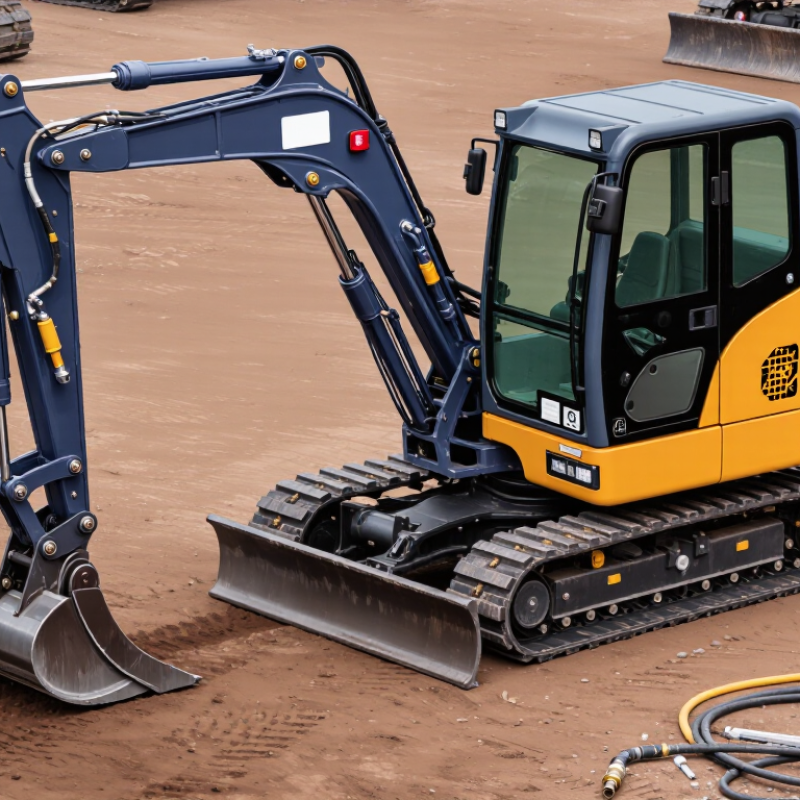
Identify Why the Mini Excavator Rotates but Will Not Travel
How to Fix a Mini Excavator That Rotates but Won’t Move?
When a mini excavator rotates but will not travel, inspect the travel system first. If the upper structure swings normally, the engine, main pump, and basic hydraulic supply may still work. Check whether both tracks fail or only one track stops. Both tracks suggest low pilot pressure, a blocked travel circuit, a faulty control valve, or a safety lock problem. One stopped track may indicate a damaged travel motor, hose, final drive, or mechanical obstruction. Look for packed mud, stones, or a bent component around the sprocket and track frame.
Tips: Park on firm ground and lower the attachment before inspection. Stop the engine and release hydraulic pressure. Check the hydraulic oil level and look for leaks near travel motors and hoses. Do not touch a pressurized leak with your hand. A thin oil jet can cause serious injury. If the tracks move slowly, listen for grinding and measure pilot pressure with a suitable gauge. Compare both sides. This comparison often reveals the fault faster.
A practical test is to lift the tracks safely and operate travel briefly, using trained personnel and proper supports. If one track turns in the air but stops under load, suspect a worn final drive or travel motor. If neither track responds, test the travel control valve and pilot circuit. I have seen operators replace motors too early. The real cause was a disconnected pilot hose. Service manuals and pressure readings matter more than guesswork. Stop testing when unusual noise, heat, or metal particles appear.
2026 How to Fix a Mini Excavator That Rotates but Won’t Move?
Identify why the mini excavator rotates but will not travel by checking pilot pressure, main hydraulic pressure, travel control valves, travel motors, and final drives.
How to read the chart: Pilot pressure is commonly checked first because insufficient pilot pressure can prevent the travel spool from shifting. Main relief pressure helps confirm that the hydraulic pump and relief circuit can develop working pressure. If these values are within the specified range but the tracks remain stationary, inspect the travel spool, travel motor, case-drain flow, final drive, track tension, and physical obstructions. Pressure values are typical service reference bands and must be compared with the exact excavator service manual.
Inspect the Travel Controls, Hydraulic Oil, and Safety Interlocks
2026 How to Fix a Mini Excavator That Rotates but Won’t Move?
When the upper structure rotates, the engine and main hydraulic pump are probably working. The fault may sit in the travel controls. Check both travel levers for full, equal movement, then inspect linkage, pilot hoses, and control pressure. A stiff pedal or damaged pilot line can stop both tracks. Do not bypass the seat switch, door switch, or neutral interlock. These devices prevent unexpected movement. OSHA emphasizes that unintended equipment motion remains a serious struck-by hazard, while the U.S. Bureau of Labor Statistics recorded 1,053 fatal work injuries in transportation and material-moving occupations during 2023.
Check the hydraulic oil with the machine level and the oil at operating temperature. A low level can draw air into the circuit, creating noise and weak travel. Look for foam, a burnt smell, or metal particles on the filter. ISO 4406 evaluates contamination at particle sizes of 4, 6, and 14 micrometres; dirty oil can damage travel valves and motors. Replace filters only with the correct specification, and never loosen a pressurized hose. Pressure can remain trapped after shutdown.
If both tracks fail, test the travel-pressure circuit before condemning the final drives. If only one track fails, compare motor pressure, hose condition, and the track brake release. The easy assumption is a failed motor. That assumption can be wrong. A technician should record pressure readings, oil temperature, and interlock status instead of guessing. One missed neutral switch can waste hours.
Test the Final Drive Motors, Hydraulic Lines, and Control Valves
2026 How to Fix a Mini Excavator That Rotates but Won’t Move?
When the upper structure rotates but the tracks stay still, start with the travel circuit. Park on firm ground, lower the attachment, and release hydraulic pressure before inspecting components. Check the hydraulic oil level and look for foam, metal particles, or a burnt smell. These details can reveal bigger faults.
Test each final drive motor with calibrated pressure gauges. Compare forward and reverse pressure on both sides. A weak reading in one direction may indicate a worn motor, damaged relief valve, or internal leakage.
Check the motor case drain flow as well. Excessive flow usually points to worn internal parts. Do not judge a motor by sound alone. A quiet motor can still be badly damaged.
Inspect every hydraulic line from the main control valve to the travel motors. Look for crushed hoses, loose fittings, and hidden leaks near the frame. A blocked pilot line can prevent spool movement, even when the main pump works correctly.
Move the travel controls carefully and confirm that the control valve spools respond evenly. Then test pilot pressure and the travel relief valves against the service manual specifications.
Small details matter.
A connector may look clean but fail under vibration. I have seen diagnostics stop too early after one pressure test. That assumption can waste hours.
Compare left and right circuits, record each reading, and repeat abnormal tests when the oil reaches operating temperature. Never bypass a safety control during testing.
Check the Tracks, Sprockets, Idlers, and Undercarriage for Damage
A mini excavator that rotates but will not travel needs a careful undercarriage inspection. Park it on firm, level ground and isolate the controls before checking anything. Look for a loose, broken, or packed track. Mud, stones, and wire can wedge between the track chain and frame. Even a small obstruction may stop movement.
Inspect the drive sprocket closely. Worn or hooked teeth can slip over the track links instead of pulling them. Check the idler for cracks, uneven movement, or a leaking tension cylinder. Spin each lower roller by hand when possible. A seized roller often leaves a polished or overheated area on the track. Look for missing bolts, bent guards, damaged links, and abnormal metal dust.
Track tension needs a measured check, not a guess. Excessive slack may cause derailment, while an overly tight track loads the rollers and final drive. Service manuals provide the correct sag measurement for each machine. I have seen operators tighten tracks to hide worn components. It works briefly, then creates a larger repair. If both tracks remain still after these checks, inspect the travel motors and hydraulic circuit with proper gauges. Stop when the evidence becomes unclear. A qualified technician can confirm pressure, rotation, and internal damage safely.
Repair the Fault and Verify Proper Travel Operation Safely
When a mini excavator rotates but will not travel, inspect the travel system before replacing parts.
Park it on firm, level ground, lower the attachment, shut down the engine, and release hydraulic pressure. Secure the machine against movement. Never place hands near a track or hose under pressure.
Check both travel control levers, pilot lines, and the main control valve for restricted movement or damaged connections.
A failed pilot signal can allow upper-structure rotation while blocking travel. Inspect the center swivel joint for leaks, crushed hoses, or contamination. Then examine each travel motor, final drive, and mechanical brake. Low pressure at one motor may indicate a relief-valve fault, internal wear, or a blocked passage. Track tension also matters. An over-tight track can overload the drive.
Use calibrated pressure gauges and the service specifications for testing.
A qualified technician should compare left and right travel pressures at controlled engine speed. I have seen diagnosis stop too early after finding a loose hose. That mistake delayed the real repair. Repair damaged lines, clean contaminated valves, or rebuild the defective motor only after testing confirms the fault.
Verify operation slowly on flat ground with no bystanders nearby.
Test forward, reverse, and both steering directions at low engine speed. The tracks should respond evenly without jerking, grinding, or excessive heat. Stop immediately if oil leaks, pressure spikes, or unusual noise appears. Recheck fasteners, hose routing, track tension, and fluid level after the test. Short tests are safer. Bruising the tracks during verification helps nobody.
Conclusion
If you are asking, “Why is my mini excavator rotating but not moving forward,” the problem may be related to the travel control system rather than the engine or upper structure. Begin by checking the travel levers or pedals, hydraulic oil level and condition, fuses, safety switches, and interlocks. Then inspect the final drive motors, hydraulic hoses, control valves, and connectors for leaks, blockages, damaged wiring, or insufficient pressure. Testing each travel circuit separately can help identify whether the issue affects one side or both.
The undercarriage should also be examined carefully. Packed dirt, damaged tracks, worn sprockets, seized idlers, or loose rollers can prevent movement even when the machine rotates normally. After locating the fault, repair or replace the affected component, clean the undercarriage, and refill or filter the hydraulic oil when necessary. Finally, test forward, reverse, and turning functions on stable ground at low speed, confirming smooth and balanced travel before returning the mini excavator to regular work.

 BTEra Excavator