How to Fix Power Loss in Mini Excavators on Slopes?

Time:2026-07-30 Author:Sophia
0%

Mini excavators are essential tools for various construction tasks. However, operators often encounter frustrating issues, especially when working on slopes. A common question arises: "Why is my mini excavator losing power when climbing a slope?" This problem can significantly hinder productivity and safety. To address these concerns, it's crucial to understand the potential causes of power loss.

One significant factor may be the machine's weight distribution. When on a slope, the angle can shift the center of gravity. A mini excavator may struggle if it is overloaded or improperly balanced. Another reason could involve the hydraulic system. Low fluid levels or worn hydraulic filters may reduce performance during incline tasks.

Operators must also consider the engine's condition. A well-maintained engine optimally performs, so neglecting service can lead to power issues. Additionally, the terrain can affect performance. Loose soil or steep grades require more effort from the machine. Identifying these challenges is essential for resolving power loss. By understanding why power issues happen, operators can take actionable steps to improve the situation.
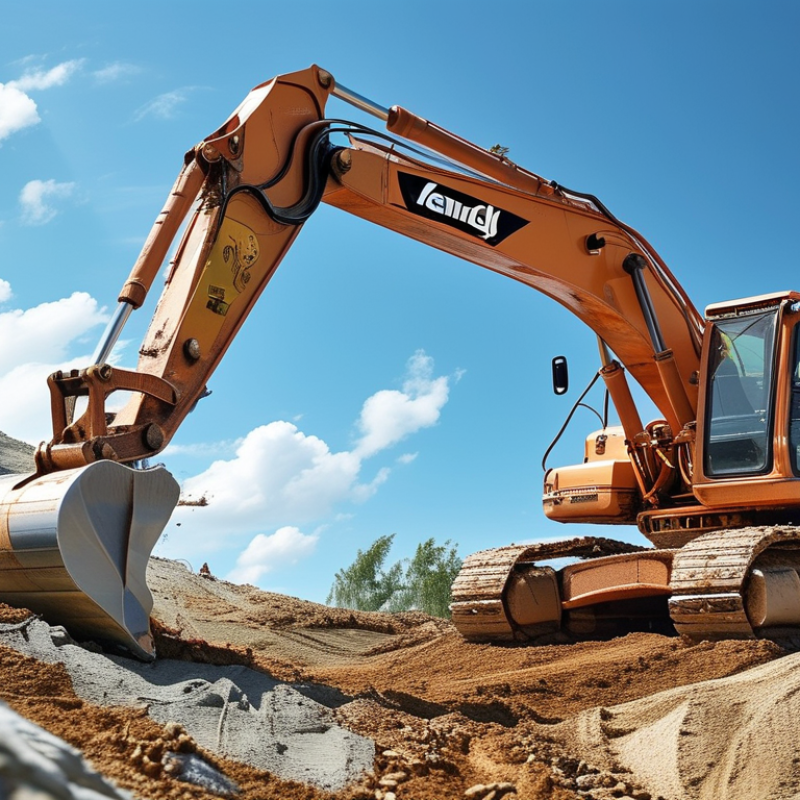
How to Fix Power Loss in Mini Excavators on Slopes?

Understanding Power Loss in Mini Excavators on Slopes

Power loss in mini excavators on slopes can be frustrating. Understanding why this happens is crucial for efficient operation. These machines often struggle with weight distribution. When angled, the engine may not deliver power evenly. This creates a situation of underperformance, especially on steep terrains.

Several factors contribute to power loss. Hydraulic systems can encounter fluid inefficiencies when tilted. This can lead to inadequate lifting and digging capabilities. Additionally, the terrain itself can present challenges. Loose soil or uneven surfaces may affect traction and stability. Operators might find themselves fighting against the machine rather than working with it.

Maintenance plays a vital role in avoiding these issues. Regular checks on fluid levels and hydraulic systems are essential. Operators should be trained to recognize signs of power loss early. Small adjustments, like repositioning the excavator on a slope, can also make a significant difference. Understanding these nuances helps in enhancing performance while navigating slopes. The key is to remain vigilant and proactive in addressing potential problems.

Common Causes of Power Loss in Mini Excavators

Power loss in mini excavators is particularly noticeable on slopes. Several factors can contribute to this issue. The most common cause is the machine's weight distribution. When working on inclines, the center of gravity shifts. This shift can lead to reduced traction. According to industry studies, nearly 40% of operators experience power loss due to improper weight distribution.

Another significant factor is engine performance. Mini excavators rely heavily on their engines to deliver power. If the engine is not properly maintained, overworked, or underpowered, performance suffers. A report from the Equipment Manufacturers Association highlights that routine maintenance can improve performance by up to 30%. Issues like clogged air filters and low fuel quality can exacerbate power loss.

Hydraulic system efficiency also plays a crucial role. If the hydraulic fluids are contaminated, the efficiency drops. This can lead to sluggish performance, especially under load. Some operators report noticing a drop in power when attempting to lift heavy loads on a slope. Addressing these issues requires a keen eye for detail and ongoing maintenance checks. Observing your machine's behavior can alert you to these underlying problems.

Common Causes of Power Loss in Mini Excavators on Slopes

Diagnostic Steps for Identifying Power Issues

When diagnosing power loss in mini excavators on slopes, several key steps can help identify the issues. Begin by examining the hydraulic fluid levels and the condition. Low levels can lead to inadequate power transfer. According to industry data, nearly 30% of performance issues stem from hydraulic fluid problems. Checking for leaks is vital. Even tiny leaks can significantly impact efficiency and power.

Next, evaluate the engine performance. A strained engine can struggle on inclines. Look for irregular sounds or vibrations, which often indicate underlying problems. Studies show that about 15% of machinery failures occur due to engine malfunctions. Inspect the air filter and fuel system; obstructions here can also lead to power loss, particularly when working on steep gradients.

Beyond mechanical aspects, operator behavior plays a role. Inexperienced operators may not adjust controls correctly when navigating slopes. This can lead to excessive strain on the machine, resulting in power loss. Training operators to understand machine capabilities is crucial. A well-trained operator can improve performance significantly. Collectively, addressing these factors can help mitigate power loss in mini excavators effectively.

Preventive Measures to Minimize Power Loss

Operating mini excavators on slopes can lead to power loss. To mitigate this issue, preventive measures are crucial. Ensuring proper maintenance plays a vital role. Regularly check the hydraulic system and fluid levels. A well-maintained machine performs better on inclines. Clean filters and inspect hoses. Neglecting these tasks can lead to frustrating power drops.

Another effective measure involves operator training. Operators should understand the machine's limits. Awareness of weight distribution is essential. Uneven loading can cause instability. This is particularly true on slopes. Instruct operators to assess the terrain before work begins. Knowledge of slope angles can also guide operational decisions. Practicing on varied inclines increases skill and confidence.

Using attachments suited for slope work can improve efficiency. Specific tools offer better control and power. Improper attachments lead to unnecessary strain on the machine. Operators should consider their missions and adjust accordingly. Reflecting on past experiences helps identify successful techniques. Through dedication to these preventive measures, power loss can be minimized when tackling sloped terrains.

Maintenance Tips for Optimal Performance on Slopes

When operating mini excavators on slopes, maintenance is crucial for optimal performance. Inspecting the hydraulic system regularly is essential. Leaks or low fluid levels can severely impact power. Check hoses and connections frequently. Attention to detail can prevent power loss, especially in challenging terrain.

Tires and tracks must also be in good condition. Worn tires reduce grip, causing slipping and loss of power. Ensure proper tread depth and alignment. Clean tracks of mud and debris to maintain traction. This can significantly enhance stability on slopes. Small issues can snowball if overlooked.

Regular engine maintenance cannot be ignored either. Change filters and oil as recommended. A clean engine runs more efficiently. Listen for unusual sounds while operating. Any odd noises can indicate deeper issues. Address them promptly to avoid larger problems later.

How to Fix Power Loss in Mini Excavators on Slopes? - Maintenance Tips for Optimal Performance on Slopes

Tip No. Maintenance Tip Description Frequency
1 Check Fuel System Ensure fuel lines are clear and fuel filters are clean. Monthly
2 Inspect Battery Check battery condition and terminals for corrosion. Bi-Monthly
3 Hydraulic Fluid Level Maintain adequate hydraulic fluid levels to ensure optimal performance. Weekly
4 Check Tire Pressure Ensure tires are properly inflated to prevent slippage. Weekly
5 Inspect Filters Regularly change air and oil filters to maintain engine performance. Every 100 Hours
6 Grease Joints Lubricate joints to reduce wear and improve maneuverability. Every 50 Hours
7 Monitor Engine Temperature Keep an eye on engine temperature to avoid overheating. Daily

FAQS

: What causes power loss in mini excavators on slopes?

: Power loss on slopes is often due to weight distribution, engine performance, and hydraulic efficiency issues.

How does weight distribution affect mini excavators?

Improper weight distribution can shift the center of gravity, leading to reduced traction and power loss.

What role does engine maintenance play in performance?

Regular engine maintenance can improve performance by up to 30%, preventing power loss during operation.

How do hydraulic fluid issues impact performance?

Contaminated hydraulic fluids can drop efficiency, causing sluggish performance, especially when lifting heavy loads.

What steps should I take to diagnose power loss?

Check hydraulic fluid levels, inspect for leaks, and assess engine performance for irregular sounds or vibrations.

Why is operator behavior important for mini excavators?

Inexperienced operators may strain the machine by not adjusting controls correctly, which can lead to power loss.

What maintenance tips can help prevent power loss on slopes?

Regularly inspect hydraulic systems, maintain tire condition, and perform engine maintenance to ensure optimal performance.

How often should I check the hydraulic system?

Frequent inspections are essential to catch leaks and low fluid levels that could impact power on slopes.

What should I do if I hear unusual sounds while operating?

Investigate any odd noises immediately, as they may indicate deeper issues that need addressing.

Can small maintenance issues lead to bigger problems?

Yes, minor oversights can snowball into significant failures if not addressed promptly.

Conclusion

When operating a mini excavator on slopes, power loss can be a frustrating issue for operators. Understanding the reasons behind this phenomenon is crucial, as various factors can contribute to the problem. Common causes of power loss include insufficient weight distribution, improper hydraulic settings, and environmental conditions that may affect traction and stability. When asking, "Why is my mini excavator losing power when climbing a slope?", it's essential to follow systematic diagnostic steps to identify potential issues.

To minimize power loss, implementing preventive measures is vital. Regular maintenance, including checking hydraulic fluids, inspecting the undercarriage, and ensuring proper tire traction, can enhance performance. By adhering to these maintenance tips and being aware of the common pitfalls, operators can effectively maintain optimal performance in challenging terrains, ensuring smoother operation during excavation tasks on slopes.

Sophia

Sophia

Sophia is a dedicated marketing professional with an exceptional depth of knowledge about her company's products and services. With a keen understanding of market trends and customer needs, she crafts insightful blog posts that not only inform but also engage readers, enriching the company’s online......