7 Best Fixes Why Does My Mini Dumper Stall Under Heavy Loads?

Time:2026-10-28 Author:Sienna
0%

Why does my mini dumper keep stalling under heavy loads? The answer is rarely just “a weak engine.” A loaded dumper climbs, turns, and pushes its hydraulic system harder. Small problems then become obvious. A blocked fuel filter, dirty air cleaner, tired battery, restricted exhaust, or low hydraulic pressure can stop production within seconds.

Diesel technician and equipment author Paul Dempsey explains the basic principle clearly: “A diesel engine needs clean fuel, clean air, and enough heat.” That sentence sounds simple. It is also easy to overlook when mud covers the chassis and the engine bay feels too hot to touch. A practical inspection should begin with the fuel supply, intake hose, coolant level, and warning lights. Then check whether the engine speed drops before the dumper stalls. That detail matters. It can separate a fuel problem from an overloaded hydraulic system.

This guide examines seven reliable fixes for heavy-load stalling. It covers fuel filters, air restriction, cooling faults, hydraulic overloads, governor response, electrical supply, and incorrect operating technique. Some causes overlap. Real machines are not always tidy.

I have seen operators blame the engine when a half-closed hydraulic control caused the real problem. I have also seen a clean filter hide a failing fuel lift pump. Do not guess too quickly. Record the load, slope, engine temperature, and operating sound. Those small observations can reveal the fault faster than replacing expensive parts. Safety still matters. Park securely, lower the skip, isolate power, and let hot components cool before inspection.
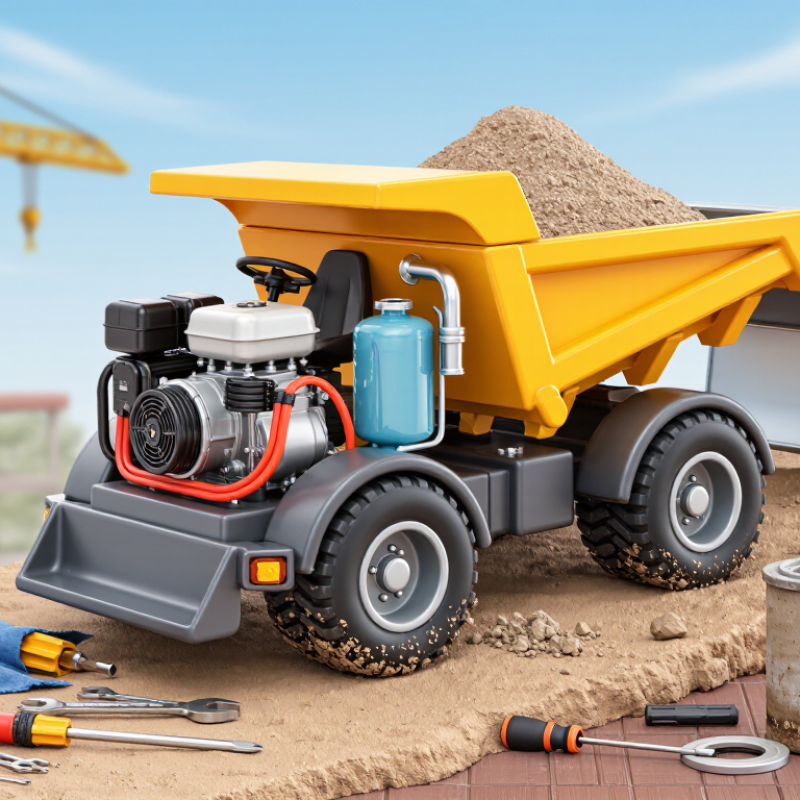
7 Best Fixes Why Does My Mini Dumper Stall Under Heavy Loads?

Understanding Why a Mini Dumper Stalls Under Heavy Loads

Understanding Why a Mini Dumper Stalls Under Heavy Loads

A mini dumper may stall because the load demands more torque than the engine can produce. Check the rated payload first. Wet soil weighs far more than it appears. Uneven ground also increases resistance. Reduce the load and test the machine on firm, level ground. If it runs normally, overloading was likely part of the problem.

Inspect the fuel system for blocked filters, stale fuel, or a restricted tank vent. Clean air must reach the engine, so a dirty air filter can cause power loss. Check the cooling fins, radiator screen, and coolant level. Overheating can make the engine stumble under pressure. The hydraulic system also deserves attention. Low fluid, a clogged return filter, or a damaged pump can create excessive load. Listen for whining, slow movement, or unusually hot fluid.

Electrical faults are less obvious. Test the battery, charging output, and safety switches with suitable instruments. Weak voltage may interrupt ignition or fuel control. Examine the drive belts, clutch, tracks, and final drive for drag. A seized bearing can feel like an engine problem. Do not keep increasing throttle to hide the fault. That often worsens heat and wear. It is easy to blame the engine too quickly. In practical inspections, the real cause is sometimes a blocked vent or incorrect hydraulic fluid level. Record the load, terrain, temperature, and symptoms during each test. A qualified technician should inspect internal engine damage or fuel-injection faults.

7 Best Fixes: Why Does My Mini Dumper Stall Under Heavy Loads?

Heavy loads increase engine torque demand and hydraulic resistance. The chart shows the typical diagnostic priority for the seven most common load-related stall triggers, helping operators check the highest-impact causes first.

Start by reducing the payload to the rated capacity, then inspect airflow, fuel delivery, engine speed, hydraulic resistance, and operating conditions such as slopes or soft ground. The percentages represent practical troubleshooting priority rather than a measurement for one specific machine.

Checking Engine Fuel, Air, and Exhaust Systems

A mini dumper that stalls under heavy loads often has a fuel, air, or exhaust problem. Check these systems before replacing expensive parts.

Begin with seven practical fixes.

Drain stale fuel and inspect for water. Replace the fuel filter if flow looks weak. Loosen the tank cap briefly; a blocked vent can starve the engine.

Clean or replace the air filter. Inspect the intake hose for collapse, dust gaps, or loose clamps.

Check the exhaust for carbon blockage. Finally, test the governor, injector supply, and engine speed under load. The fault may involve two systems.

The U.S. Department of Energy reports that diesel engines can achieve roughly 30–40% thermal efficiency under suitable operating conditions. Poor airflow quickly reduces that advantage.

The U.S. Environmental Protection Agency’s nonroad-engine standards also limit particulate emissions to levels as low as 0.02 g/kWh, showing why restricted exhaust deserves serious attention. It is not only a power issue.

In field inspections, a dirty filter is often blamed too quickly. I have seen a clean filter hide a crushed intake tube. A warm engine may also restart normally, confusing the diagnosis. Check fuel flow into a clear container, then compare exhaust color and engine sound during a controlled load test. Do not guess. Record engine speed, smoke, and the exact moment of stalling. The diagnosis can be messy.

Inspecting Hydraulic Pressure, Load Limits, and Drive Components

7 Best Fixes Why Does My Mini Dumper Stall Under Heavy Loads?

A mini dumper may stall when hydraulic demand exceeds available engine power. Check the hydraulic fluid level first. Low or contaminated fluid can cause weak lifting and sudden engine loading. Inspect the suction hose for cracks, loose clamps, or collapsed sections. Air entering the system creates unstable pressure. Small bubbles matter.

Connect a calibrated pressure gauge at the test port. Compare the reading with the machine’s rated hydraulic pressure. A misadjusted relief valve can open too early, while a blocked valve can overload the pump. Do not adjust it by guesswork. Check the filter and replace it if the element is restricted. Also confirm the load limit, including soil stuck inside the bed. Wet clay can exceed the rated payload surprisingly fast. Reduce the load and test again.

The drive system deserves equal attention. Inspect tracks or tires for packed mud, then check sprockets, rollers, belts, couplings, and final-drive oil. A damaged component can create heavy resistance before movement begins. Release any dragging brake and examine the throttle linkage for full travel. If the engine speed drops only during travel, compare hydraulic and mechanical resistance separately. Field inspections often find operators blaming the engine too early. I would not ignore that possibility, but pressure testing should come first. Stop testing if hoses become hot, damaged, or visibly swollen.

Testing Electrical Controls, Sensors, and Safety Interlocks

Why Does My Mini Dumper Stall Under Heavy Loads?

A loaded mini dumper may stall when electrical controls cannot maintain stable voltage. Measure battery voltage before starting, then repeat during hydraulic operation. A drop below the equipment’s specified range points toward a weak battery, loose terminal, corroded ground, or undersized cable. Check the main relay and fuse box for heat marks. Small details matter.

Sensors can also interrupt power without showing an obvious fault. Inspect the seat, direction, neutral, tipping-body, and hydraulic-pressure sensors. Use a multimeter to confirm stable continuity while gently moving each connector. A sensor may pass a bench test but fail under vibration. That happened during one field inspection. The connector looked clean, yet its terminal loosened when the frame flexed.

Safety interlocks require careful testing, never bypassing. Confirm that the machine refuses movement when the operator-control condition is missing. Check emergency-stop circuits and diagnostic codes after each test. ISO 13849-1 provides guidance for safety-related control systems and fault evaluation. The U.S. Bureau of Labor Statistics recorded 5,283 fatal workplace injuries in 2023, although its data is not dumper-specific. That broader figure reinforces why an intermittent interlock deserves attention, not dismissal. Technicians sometimes replace a controller too quickly. Trace the circuit under load first. The real fault may be grounding, not software.

Applying Safe Repairs and Verifying Performance Under Load

A mini dumper that stalls under heavy loads needs controlled diagnosis, not random parts replacement. Reduce the payload first, then confirm it stays within the machine’s rated capacity. Inspect the fuel filter, air filter, throttle linkage, and governor for restriction or sticking. Check hydraulic oil level and filter condition, because a blocked circuit can force the engine against excessive pressure. Inspect the cooling fins, radiator screen, and coolant level. A dirty screen can turn a short haul into a hot, powerless climb. Test the battery, charging voltage, and electrical connections before replacing the starter or sensors.

Stop and inspect. Secure the dumper on stable ground, isolate the engine, and follow the service procedure before opening hydraulic lines. Repairs should match the manufacturer’s specifications and be completed by a trained technician. ISO 12100 risk-assessment principles support identifying crushing, unexpected movement, and stored-energy hazards during maintenance. The U.S. Bureau of Labor Statistics recorded 5,283 fatal occupational injuries in 2023, showing why verification cannot be treated as paperwork.

After repair, run the dumper unloaded, then add material in small increments. Watch engine speed, exhaust smoke, hydraulic response, temperature, and warning lights. Measure charging voltage and record the test load, travel surface, incline, and ambient temperature. The machine should start, stop, steer, and tip smoothly without repeated surging. If it stalls again, do not keep increasing the load. My own practical caution is simple: a clean filter may solve the symptom, while a worn injection system remains hidden. Review the test notes and seek a qualified inspection when results conflict.

FAQS

Why does a mini dumper stall under a heavy load?

Hydraulic demand may exceed available engine power. Low oil, restricted filters, or excessive payload can increase engine loading suddenly.

How should I check the hydraulic system first?

Check the oil level and condition. Inspect the suction hose for cracks, loose clamps, or collapsed sections. Small bubbles matter.

How can I confirm hydraulic pressure safely?

Connect a calibrated gauge to the test port. Compare the reading with the machine’s rated pressure. Do not adjust the relief valve by guesswork.

Can the load itself cause repeated stalling?

Yes. Wet clay may exceed the rated payload faster than expected. Remove material, check the actual limit, and test again on level ground.

Which drive components can create heavy resistance?

Packed mud, damaged sprockets, rollers, belts, couplings, or final-drive parts may resist movement. Also check for a dragging brake.

What engine checks should I perform?

Inspect the fuel filter, air filter, throttle linkage, governor, cooling fins, radiator screen, and coolant level. A dirty screen can weaken the engine during a short climb.

What precautions are needed before repairing hydraulic parts?

Park on stable ground and isolate the engine. Follow the service procedure before opening hydraulic lines. Stored pressure can cause unexpected movement.

How should I verify a repair under load?

Run the dumper unloaded first. Add material gradually while watching engine speed, smoke, temperature, hydraulic response, and warning lights.

What should I do if the dumper still stalls?

Stop increasing the load. Record the surface, incline, temperature, and test weight. A clean filter may hide a worn fuel-injection system, so qualified inspection may be needed.

Conclusion

This guide explains why a mini dumper may lose power or stop when carrying heavy loads. If you are asking, “Why does my mini dumper keep stalling under heavy loads,” begin by checking the engine’s fuel supply, air filter, and exhaust flow, since restricted fuel or airflow can reduce performance. Next, inspect hydraulic pressure, confirm that the load stays within the machine’s rated capacity, and examine the drive components for wear, damage, or excessive resistance.

The article also covers electrical controls, sensors, and safety interlocks that may interrupt operation when they detect unsafe conditions. After identifying the cause, repairs should be completed carefully, with attention to clean connections, correct fluid levels, secure parts, and proper adjustments. Finally, test the mini dumper gradually, first without a load and then under controlled working conditions, to confirm that the engine, hydraulics, controls, and drive system operate reliably and safely.

Sienna

Sienna

Sienna is a skilled marketing professional with a deep expertise in our company’s core products and services. With a passion for innovation and detail, she plays a pivotal role in crafting insightful blog posts that not only highlight the unique features of our offerings but also provide valuable......