A mini excavator may look compact, but its rubber tracks absorb severe punishment. Gravel, broken concrete, mud, sharp turns, and incorrect tension can shorten their working life dramatically. So, what is the lifespan of a mini excavator rubber track? In practical field conditions, many manufacturers and specialist suppliers estimate approximately 1,200 to 2,000 operating hours. That range is not a promise. It is a maintenance-dependent estimate.
Guidance from Bridgestone’s off-the-road technical resources emphasizes that heat, abrasion, undercarriage alignment, and operating surfaces strongly influence rubber-track wear. McLaren Industries’ equipment guidance also identifies correct tension and daily cleaning as major life-extending practices. Industry replacement data from EquipmentWatch shows why hour-based predictions remain imperfect: machine utilization and operating environments vary widely between fleets. A track working on clean soil does not age like one crossing demolition debris every afternoon.
Rubber-track specialist Kevin O’Donnell states, “Track life is determined more by application and maintenance than by the calendar.” That observation is useful, though it needs caution. Not every specialist publishes independently audited lifespan data. Real inspection matters more than a simple hour counter.
Look closely at the details. Exposed steel cords, cracked lugs, missing tread blocks, and uneven wear indicate trouble. A five-minute inspection can reveal more than a dashboard reading. In 2026, buyers should compare manufacturer guidance, service records, ground conditions, and replacement costs before choosing a track. The honest answer is less convenient: some tracks fail early, while carefully operated tracks can exceed the common range.
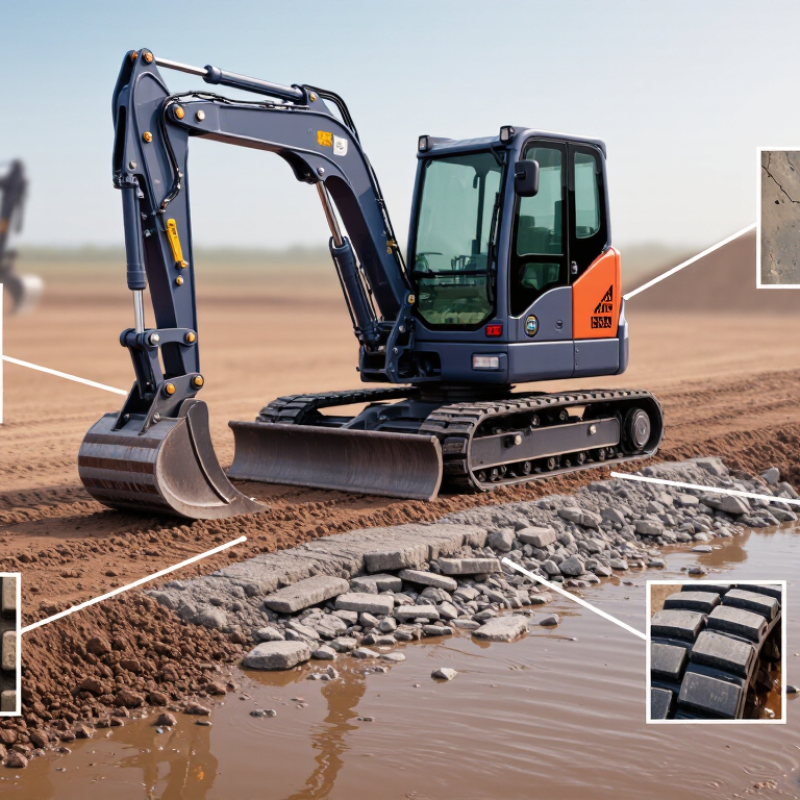
Mini excavator rubber tracks commonly last between 1,200 and 2,000 operating hours. This range is a working benchmark, not a guarantee. A machine digging clean soil may reach the upper end. Rocky ground, demolition debris, and frequent turning can reduce life sharply.
Conditions change everything. Track tension matters every day. Excessive tension increases resistance and accelerates wear on the lugs and internal cables. Loose tracks may derail, stretch, or suffer uneven damage. Check the manufacturer’s recommended sag with the machine parked on level ground. Measure the sag.
Operator habits also influence the result. Spinning the tracks, pivoting on concrete, and driving at high speed create concentrated heat and abrasion. I have seen tracks with plenty of tread fail early because sharp stones cut their sidewalls. The tread looked acceptable. The structure was not.
Inspect the tracks after muddy or abrasive work. Look for exposed cords, deep cuts, missing lugs, and uneven wear. Replace damaged tracks before a small defect becomes a field breakdown. Clean packed stones from the undercarriage, especially around the sprocket and rollers. Not a promise.
Usage records improve decisions. Note operating hours, work surfaces, tension checks, and visible damage. Weather matters too; extreme heat can soften rubber, while freezing conditions may expose brittleness. The 1,200–2,000-hour benchmark remains useful, but actual service life depends on maintenance discipline and working conditions.
Most tracks last about 1,200 to 2,000 operating hours. This is a benchmark, not a guarantee. Rocky soil, sharp debris, and frequent turning can shorten life. Conditions change everything.
Broken concrete, sharp stones, abrasive sand, and demolition debris are especially harsh. Clean soil usually causes less damage. Repeated pavement turning still creates heat and abrasion.
Overly tight tracks increase resistance, heat, and stress on rollers. Loose tracks may derail or wear unevenly. Check the recommended sag on level ground. Measure the sag.
Check for missing tread blocks, deep cuts, cracks, exposed cords, and uneven wear. Examine the sidewalls carefully. The tread may look fine. The structure may not.
Small surface cracks may remain cosmetic, but widening cracks deserve photographs and measurement. Rubber separating from steel needs prompt service. Bubbling or visible metal is serious.
Yes. Track spinning, pivoting on concrete, and high-speed travel concentrate heat and abrasion. Tight turns can damage lugs quickly. Slow movements help, though not perfectly.
Clean packed soil from the sprocket, rollers, and idler areas. Inspect sprocket and roller wear before fitting new tracks. Worn components can damage a good track early.
No. Sidewall cuts, exposed cords, and internal separation may appear before tread loss. Tread depth can mislead. Record hours, terrain, tension, and weekly photographs.
Consider replacement after structural separation, repeated derailing, severe lug loss, or unsafe damage. Do not wait for complete failure in the field. My estimate may be imperfect.
Extreme heat can soften rubber, while freezing conditions may increase brittleness. Keep simple hour and inspection records. Patterns become clearer over time. Not a promise.
What is the lifespan of a mini excavator rubber track? In 2026, a typical service life is approximately 1,200 to 2,000 operating hours, although actual results depend heavily on working conditions and maintenance. Soft soil, abrasive gravel, heavy loads, incorrect tension, sharp turns, and aggressive operating habits can shorten track life, while smooth operation and proper care can extend it.
Daily inspections are essential for identifying uneven tread wear, deep cuts, exposed cords, cracking, and signs of rubber separation before a failure occurs. Replacement should not be based only on reduced tread depth; repeated derailments, damaged guide areas, excessive stretching, and structural deterioration are also important warning signs. Track quality, correct installation, appropriate tension, and regular undercarriage cleaning all influence operating cost. Investing in durable tracks and maintaining rollers, sprockets, and idlers can reduce downtime, improve machine efficiency, and deliver a lower total cost over the equipment’s working life.

 BTEra Excavator