In the world of construction machinery, excavators rely heavily on hydraulic systems. Understanding "What are the common signs of a failing hydraulic pump in excavators" is crucial for operators and maintenance teams. One such authority on this subject is John McGregor, a seasoned hydraulic engineer. He emphasizes, "Identifying issues early can save significant time and costs."
Signs of a failing hydraulic pump should not be overlooked. A common indication is a decrease in power and efficiency during operation. Operators may notice slower boom or bucket movements. Unusual noises, like whining or grinding, can signal internal damage. These signs often reflect deeper hydraulic problems that could disrupt project timelines.
Physical symptoms may also emerge. For instance, leaks around the pump area can lead to serious issues if not addressed. Monitoring these signs is essential. Ignoring them can escalate repair costs and machine downtime. Each day spent with a failing pump can lead to further complications, highlighting the importance of awareness.
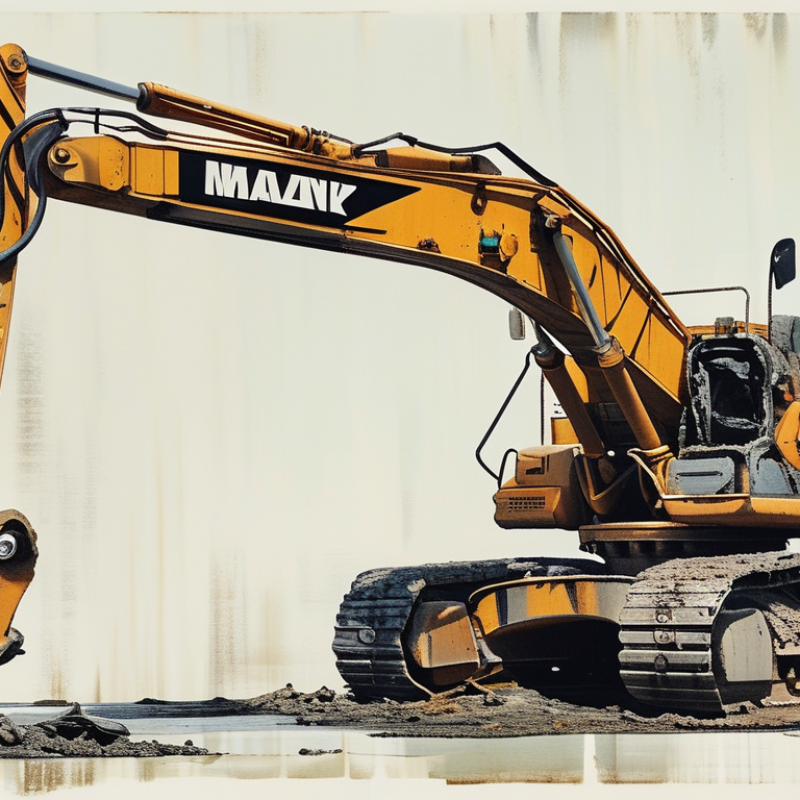
Common Symptoms Indicating a Failing Hydraulic Pump in Excavators
When operating an excavator, it’s crucial to monitor the hydraulic pump. A failing hydraulic pump may exhibit noticeable symptoms. One common sign is a decrease in power. If the excavator struggles to lift loads, it might indicate pump issues.
Additionally, listen for unusual noises. Grinding or whining sounds can suggest internal damage. Low hydraulic fluid levels may lead to overheating, which further damages the pump. If you notice fluid leaks, particularly around the pump area, don’t ignore them. They often signify seal or gasket failure.
Check the responsiveness of the controls. Hesitation in movements can be a red flag. Irregular jerking during operation points to potential hydraulic failure. Keep an eye on fluid degradation. Dirty or contaminated fluid compromises pump efficiency. Regular maintenance and inspections are vital for prevention. Ultimately, being vigilant about these signs can save time and money in repairs.
Visual Inspection: What to Look for on the Hydraulic Pump
When performing a visual inspection of a hydraulic pump in an excavator, start by checking the pump casing. Look for any signs of oil leaks or wet spots. Oil around the pump may indicate a seal failure. Keep an eye out for unusual stains that could hint at a slow leak. Sudden pooling of oil is a critical warning sign.
Next, examine the pump’s external components. Look for any abnormal wear or damage. Cracked or worn hoses can lead to serious performance issues. Inspect the fittings and connections for tightness. Loose connections may cause hydraulic fluid to escape, impacting efficiency. You should also check for signs of overheating. Discoloration or burnt edges on hoses might indicate this issue.
Listen closely while the machine is running. Unusual noises, such as grinding or high-pitched squeaks, may suggest internal damage. These sounds often indicate that the pump isn't working effectively. Take note of any vibrations during operation. Excessive shaking could signal a problem with bearings or internal components. Trust your instincts—if something feels off, further investigation is warranted.
Listening for Unusual Noises: A Key Indicator of Hydraulic Issues
Listening closely for unusual noises is crucial when diagnosing hydraulic pump issues in excavators. Experienced operators often hear sounds that deviate from the usual operational hum. For instance, a whining or groaning noise can indicate low hydraulic fluid levels or air trapped in the system. A study by the Construction Equipment Industry Association shows that around 30% of hydraulic pump failures are linked to fluid contamination. Regular monitoring of these sounds is essential.
Operators should take note of abrupt changes in sound. A sudden thumping or rattling may suggest mechanical wear or damage within the pump, which could lead to further complications if not addressed. According to data from the American Society of Mechanical Engineers, unmonitored hydraulic systems can lead to decreased efficiency and higher operational costs, with repair expenses soaring by 50% or more compared to preventative maintenance.
Listening for these signs isn’t just about identifying immediate problems. It reflects a deeper understanding of hydraulic system health. Reflections on noise patterns often reveal underlying issues that require intervention. As systems age, the risk of failure increases significantly without regular checks. Identifying these sounds early can mitigate serious risks and extend equipment life.
Performance Degradation: How to Recognize Reduced Excavator Efficiency
Performance degradation in excavators often points to hydraulic pump issues. Operators should be vigilant for various signs. A sudden decline in speed or responsiveness is a significant indicator. When the excavator struggles to lift heavy loads, the hydraulic system may be failing. Pay attention to unusual noises as well. Grinding or whirring sounds can signal that something is wrong.
Pressure fluctuations can lead to inconsistent performance. This instability affects job efficiency and can slow down operations. If the excavator requires more frequent refueling, the hydraulic system might be draining power unnecessarily. Operators must keep an eye on these details, as they can indicate a deeper issue.
Tips: Regularly check hydraulic fluid levels and quality. Clear fluid indicates good health, while dark stains may suggest contamination. Schedule routine inspections to catch any problems early. Keeping logs of performance metrics helps spot trends over time. Simple maintenance can often prevent costly repairs and downtime.
Fluid Leaks: Identifying Signs of Hydraulic Fluid Loss in Pumps
Fluid leaks are a critical sign of a failing hydraulic pump in excavators. According to industry reports, nearly 30% of hydraulic failures result from fluid loss. When inspecting an excavator, technicians should check for visible leaks around the pump area. Fluid stains on the ground or components indicate ongoing issues. Even small leaks can lead to significant performance degradation.
Commonly, operators might overlook minor leaks. However, a continuous loss of hydraulic fluid affects system pressure and efficiency. The American Society of Mechanical Engineers (ASME) states that hydraulic fluid loss can reduce machine performance by up to 20%. Regular inspections and maintenance can catch these issues early. Proper fluid levels are essential for hydraulic systems to function optimally.
Moreover, identifying signs of wear in seals and hoses is crucial. A worn seal can cause increased leakage, leading to more severe problems. Industry professionals recommend using dye additives to track leaks more effectively. This proactive approach can save costs and prevent major failures. Recognizing these signs helps maintain excavator performance and extends equipment life.
Common Signs of a Failing Hydraulic Pump in Excavators
This chart illustrates the common signs of hydraulic fluid loss in excavator pumps, including fluid leaks and performance issues.
Temperature Irregularities: Understanding Overheating in Hydraulic Systems
Hydraulic systems are vital in excavators, allowing them to perform
heavy lifting and
digging tasks. However,
temperature irregularities can indicate problems,
particularly overheating. When the hydraulic pump operates hotter than expected, it can signal
potential failure. An overheating system can lead to oil breakdown
and significantly reduce efficiency.
Several factors contribute to overheating. Poor oil quality,
excessive loads, or internal wear can elevate temperatures. For instance, dirty hydraulic fluid restricts
flow and hampers cooling. Lack of proper maintenance only exacerbates the issue.
Operators should regularly check oil levels and look for discoloration
or contaminants. Ignoring these signs may result in costly repairs or downtime.
Monitoring system temperature is crucial. If the pump runs too hot, immediate action is necessary.
Allow for cooling periods or reduce workload. Frequent checks can
reveal patterns that might indicate an underlying issue. Operators must stay vigilant and learn to
recognize these warning signs to maintain optimal performance in their machines.
FAQS
: Look for decreased power and difficulty lifting loads.
Grinding or whining sounds can indicate internal damage.
Low fluid can cause overheating, leading to more damage.
Leaks often signal seal or gasket failure and need attention.
It may point to a potential hydraulic failure in the system.
Contaminated fluid reduces pump efficiency and may cause failure.
This may indicate ineffective hydraulic power and needs investigation.
It helps catch problems early and can prevent costly repairs.
Keep logs of performance metrics to spot any declining trends.
Clear fluid is healthy; dark stains may indicate contamination.
Conclusion
When assessing excavators, it's crucial to understand what are the common signs of a failing hydraulic pump. Key indicators include noticeable performance degradation, where the efficiency of the equipment significantly decreases. Operators should also perform a visual inspection of the hydraulic pump for any obvious wear or damage. Listening for unusual noises can provide insights into potential hydraulic issues, as abnormal sounds often signal internal problems.
Additionally, fluid leaks are a critical symptom, highlighting possible hydraulic fluid loss that can compromise pump functionality. Lastly, maintaining awareness of temperature irregularities is essential, as overheating can indicate systemic problems within the hydraulic system. By recognizing these symptoms early, operators can address hydraulic pump failures proactively, ensuring the continued efficiency of their excavators.

 BTEra Excavator