When working with mini excavators, many operators face a frustrating issue: "Why is my mini excavator losing power when climbing a slope?" Understanding this problem requires delving into the mechanics of these machines. Maintaining power on inclines is vital for efficiency and safety.
Several factors could contribute to this loss of power. It may stem from engine issues or hydraulic problems. Clogged filters or low fuel levels may be involved. Sometimes, the machine's weight distribution affects its performance on hills. Even the operator's techniques can impact power efficiency. Evaluating these aspects is essential for understanding why your excavator struggles.
Operators should reflect on their equipment and the conditions in which they work. Documenting performance issues can help pinpoint problems. Regular maintenance is crucial, yet many overlook it. Ensuring your mini excavator is in top shape will yield better results on slopes. By addressing these concerns, you'll enhance both power and productivity.
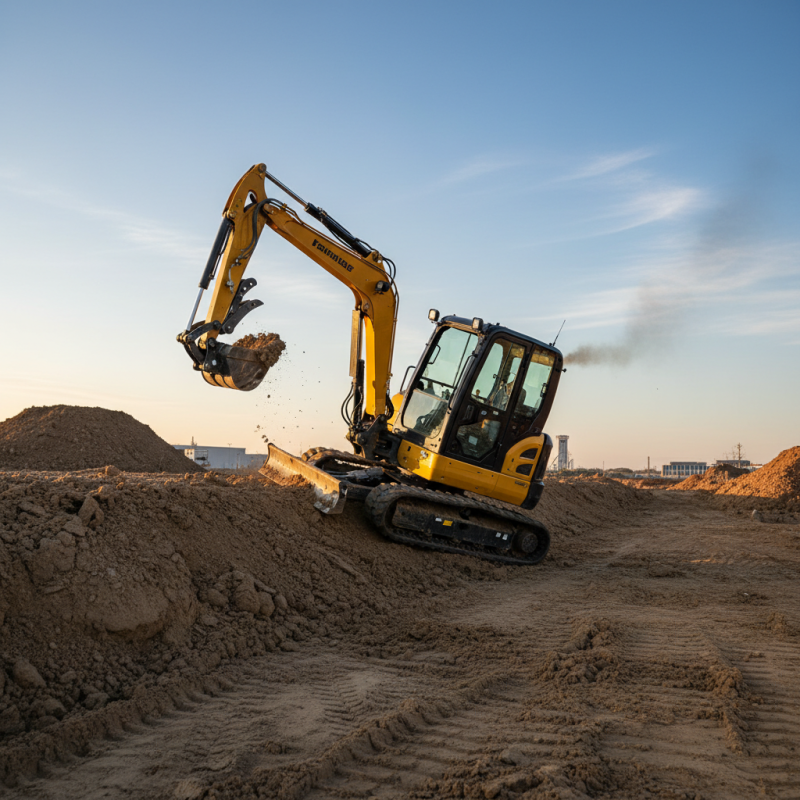
Operating a mini excavator on slopes can lead to unexpected power loss. A recent industry report indicates that power loss occurs in approximately 15% of excavators on inclines. Several factors contribute to this issue. The angle of the slope significantly affects the machine's performance. As the machine climbs, engine strain increases due to gravity. This can result in a decrease in available power, making it more difficult for operators to maintain momentum.
Hydraulic issues can also play a crucial role. Mini excavators rely on hydraulic systems for lifting and digging. When on a slope, the hydraulic fluid may not circulate optimally. A survey of equipment operators highlighted that 25% experienced hydraulic fluid-related problems on uneven terrain. Furthermore, dirt and debris can impact the machine’s tracks. Blocked tracks can create resistance, which further decreases power. Ensuring that the tracks are clear and well-maintained is essential.
Lastly, operator techniques matter. Improper handling, particularly on slopes, can lead to stalling or overheating. Operators should assess terrain before use. Adjusting driving techniques can mitigate power loss. It's vital to reflect on these aspects for improved performance. Recognizing and addressing these issues can enhance the efficiency of mini excavators on slopes.
When operating a mini excavator on slopes, terrain and angle play significant roles in performance. A study by the Construction Industry Institute shows that slope gradients exceeding 30% can lead to power loss. This is due to gravity affecting the excavator's weight distribution and traction. Operators often underestimate the impact of incline angles, which can reduce the machine's hydraulic efficiency. Additionally, uneven ground may cause the excavator to struggle, especially when digging or grading.
Understanding the hydraulic systems is key. These machines rely on hydraulic pressures to lift and excavate. If an excavator operates on a steep incline, the hydraulic pressure can drop. This directly affects the arm's lifting capability, leading to inefficient operation. Terrain with loose soil creates extra challenges. The tracks might lose grip, causing the excavator to slide back. Operators should assess ground conditions before starting work.
Tips: Always evaluate the angle of the slope before operation. If the slope is too steep, consider alternative methods. Regular maintenance of the hydraulic system can also help improve performance. Ensure proper track tension to enhance traction on slopes. Operator experience with varied terrains can greatly influence successful operation.
When operating a mini excavator on a slope, loss of power can be frustrating. Common mechanical issues can significantly affect performance. One primary cause could be a clogged air filter, limiting airflow and reducing engine efficiency. Regularly check the filter and clean or replace it as necessary.
Hydraulic problems are another potential culprit. Low fluid levels or contaminated oil can diminish hydraulic power. Inspect hydraulic hoses for leaks and ensure fluid quality remains optimal. Ignoring these details can lead to performance issues, especially on steep gradients.
Lastly, age or wear can impact components like the fuel system. A degraded fuel pump can restrict fuel flow, causing the engine to struggle. Listening for unusual sounds while operating may reveal underlying issues. So, look closely at these common mechanical challenges, as they could be the reason your mini excavator seems to lack power on slopes.
| Issue | Description | Impact on Power | Recommended Action |
|---|---|---|---|
| Hydraulic Fluid Levels | Low hydraulic fluid can cause inadequate pressure. | Reduced power and responsiveness. | Check and top off hydraulic fluid levels. |
| Clogged Filters | Dirty filters restrict fluid flow. | Decreased hydraulic efficiency. | Clean or replace filters regularly. |
| Engine Performance | Engine wear or lack of maintenance affects power. | Power loss on inclines. | Perform regular engine maintenance. |
| Track Condition | Worn or damaged tracks can slip. | Loss of traction and power. | Inspect and replace tracks if necessary. |
| Weight Distribution | Improper weight balance causes wheel slippage. | Increased chance of power loss on slopes. | Adjust load for better weight distribution. |
Mini excavators can struggle on slopes due to several factors. Regular maintenance is crucial for optimal performance in such conditions. Always check your hydraulic fluid levels. Low fluid can limit power on inclines. According to a 2021 industry report, hydraulic system efficiency significantly impacts machine capability, presenting a 20% decrease in performance when fluid levels drop below optimal.
Tire condition is another vital factor. Worn tires may slip, reducing traction and power. A study by the Association of Equipment Manufacturers noted that maintaining proper tire pressure can improve traction by 15%. Check treads routinely and replace them if necessary.
Additionally, ensuring your cooling system is functioning correctly can prevent overheating during prolonged use on slopes. Overheating can lead to power loss and operational shutdowns. Inspect cooling fans and radiators for debris regularly. Operator awareness is essential; monitor machine performance closely. Be prepared for adjustments based on the terrain's demands. Regular servicing can seem tedious but is essential to maintain efficiency and reliability.
When a mini excavator struggles on slopes, it can be frustrating and concerning. Several factors may contribute to this loss of power. First, it is crucial to check the fuel system. Inspecting for fuel blockage or contamination might reveal the root cause. Clean filters can improve fuel flow, ensuring that the engine receives the necessary supply.
Another point to examine is the hydraulic fluid. Low levels or contaminated fluid can affect performance significantly. If the fluid is too old or dirty, change it immediately. This step will help maintain efficiency while navigating difficult terrain. Additionally, consider the machine's weight distribution. If the load is uneven, it can lead to power loss on inclines.
Finally, look at the battery and electrical systems. A weak battery can cause reduced power output. Regularly inspect the battery terminals for corrosion and cleanliness. These minor details can greatly affect performance. Engaging in routine maintenance will prevent many issues. However, it's essential to remain vigilant and address problems promptly to ensure optimal productivity.
: Power loss can occur due to slope angles, hydraulic issues, and blocked tracks.
Slope gradients over 30% can reduce traction and power due to gravity's effect on the machine's weight.
Hydraulic fluid must circulate effectively. Low levels can lead to decreased power on inclines, affecting operation.
Regular checks of hydraulic fluid levels and tire conditions can enhance traction and power, improving efficiency.
Blocked tracks create resistance, leading to further power loss and reduced machine performance.
Improper handling can cause stalling or overheating. Assessing terrain and adjusting techniques can help.
Loose soil can cause tracks to slip, leading to reduced grip and potential sliding back on slopes.
It's vital to inspect cooling fans and radiators regularly for debris. Overheating can cause significant power loss.
Experienced operators tend to assess and adapt to varied terrains better, enhancing successful operation and performance.
Yes, although it may seem tedious, regular servicing maintains efficiency and reliability in challenging working conditions.
When facing the question, "Why is my mini excavator losing power when climbing a slope," it's essential to understand several factors that can contribute to this issue. The terrain and angle of the slope significantly impact the performance of mini excavators. Steep inclines can demand more power, leading to increased strain on the engine and hydraulic systems. Additionally, common mechanical issues such as fuel system malfunctions or hydraulic leaks can further diminish power output when navigating sloped surfaces.
To address power loss concerns, regular maintenance is crucial. Ensuring that the engine, filters, and hydraulic fluids are in optimal condition can help maintain power levels when climbing. Implementing troubleshooting techniques, such as checking for air in the fuel lines or inspecting for any leaks, can also assist in diagnosing and resolving power loss problems effectively. With proper care and awareness of the factors at play, mini excavator operators can enhance their machine's performance on challenging terrains.

BTEra Excavator