Why Is Safe Operation of Mini Excavators on Hills Essential?

Time:2026-08-29 Author:Henry
0%

Operating mini excavators on hills presents unique challenges. Safety is paramount in such conditions. According to John Smith, a leading expert in excavation safety, “Understanding terrain is critical for safe operation.” His insights provide valuable guidance for operators.

When navigating hills, operators must consider factors like slope angle and soil stability. These aspects directly influence the machine’s safety. Proper training is vital. It ensures that operators know "how to operate a mini excavator safely on a hill." This knowledge can prevent accidents and injuries.

Moreover, awareness of potential hazards is essential. Not all hills are created equal. Some may have loose gravel or uneven surfaces. This unpredictability increases risks. Operators must stay vigilant and adapt their strategies accordingly. By prioritizing safety, they can mitigate dangers associated with working on inclines.
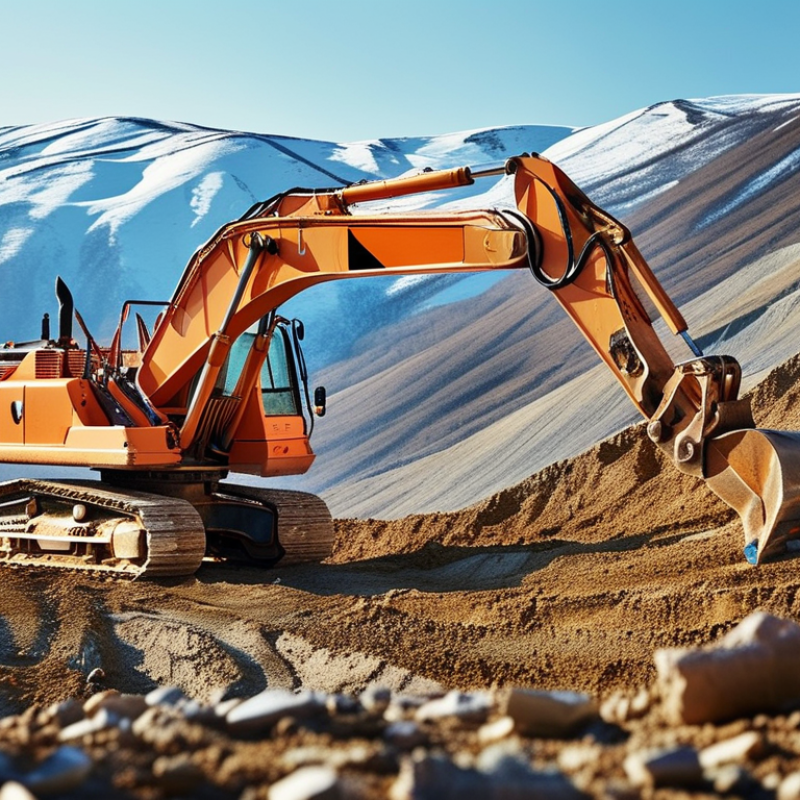
Why Is Safe Operation of Mini Excavators on Hills Essential?

Importance of Mini Excavators in Construction and Landscaping

Mini excavators have carved out an essential role in construction and landscaping. Their compact size allows for efficient maneuvering in tight spaces. Whether digging trenches, grading, or lifting materials, these machines enhance productivity considerably. Many contractors rely on mini excavators for their versatility and ease of use. They are perfect for residential projects where larger equipment may not be viable.

Operating mini excavators on hilly terrain presents unique challenges. Stability becomes a critical concern. Operators must navigate steep inclines and uneven surfaces carefully. A slip can result in significant damage, personal injury, or project delays. Proper training and awareness of the machine’s limitations are crucial. Even experienced operators can underestimate risks in hilly conditions. Regular equipment inspections and maintenance also play a vital role in ensuring safe operations.

In landscaping, mini excavators help transform outdoor spaces effectively. They can create contours, move soil, and assist in the installation of features like ponds or retaining walls. However, operators must remain vigilant on slopes. Calculating the load and maintaining a low center of gravity can prevent accidents. As the use of mini excavators continues to grow, understanding safety on hilly terrain must be a priority for everyone involved.

Importance of Safe Operation of Mini Excavators on Hills

This chart illustrates the safety incidents related to mini excavator operations on hills compared to flat terrain. The data highlights the significance of adhering to safety protocols while operating mini excavators in varying landscapes, underscoring the need for training and caution in construction and landscaping projects.

Understanding the Mechanics of Mini Excavators on Inclines

Understanding the mechanics of mini excavators on inclines is crucial for safe operation. When working on hills, the center of gravity shifts. Mini excavators can become unstable if not operated correctly. Users must assess the slope's steepness and soil conditions before starting.

The hydraulic system of a mini excavator plays a key role. It helps maintain balance on uneven ground. Operators must be aware of how the load affects stability. Heavy loads can easily cause tipping if the machine is not positioned properly. Regularly checking the excavator’s tilt sensor adds an extra layer of safety.

Reflecting on past incidents can enhance safety. Many accidents occur due to a lack of understanding of the terrain. Awareness of the machine's limitations is essential. Operators need training to recognize potential hazards. Mistakes can happen even with experienced operators. Continuous learning and adaptation to changing conditions are vital for safely maneuvering on hills.

Key Factors Affecting Stability on Hilly Terrain

Operating mini excavators on hilly terrain presents unique challenges that directly impact stability. The Center of Gravity (CG) plays a crucial role. Studies indicate that a higher CG increases the risk of rollover, especially on steep slopes. According to industry standards, the CG must remain within a safe zone to maintain balance. On a 30-degree slope, even a slight shift can result in a loss of control. Hence, operators should assess the terrain meticulously before proceeding.

The type of soil also affects stability. Loose, wet soil can easily compromise traction. A 2020 data report highlights that nearly 25% of accidents involve unstable ground conditions. Operators must consider the moisture content and soil type before maneuvering. Awareness of the surface conditions aids in preventing accidents. Experience teaches that neglecting these factors often leads to unfortunate outcomes. Even seasoned operators should always reassess potential hazards before starting a task.

Finally, awareness of site-specific factors is essential. Overhead power lines and nearby structures can create unwanted risks. Proper training and adherence to operational guidelines are critical. Industry analysts stress that frequent safety audits can reduce risks. Understanding the interplay of these elements can enhance safety significantly. Failing to consider them could result in significant setbacks for operations.

Best Practices for Safe Operation on Slopes

Operating mini excavators on slopes requires careful attention to safety. Workers must recognize the stability challenges posed by inclines. A steep slope can quickly shift the center of gravity. This can lead to tipping if proper precautions are not taken. Understanding the machine's capabilities is crucial. Each mini excavator has limits regarding its gradeability and weight distribution.

Best practices ensure safer operation on hills. Always begin by evaluating the terrain. Look for loose soil or rocks that could destabilize the excavator. Creating a solid path may help mitigate risks. Operators should also maintain a low center of gravity. Load the excavator carefully, placing the heaviest items closer to the machine's base. Regularly check for any mechanical issues, as fluid leaks or tire pressure can impact stability.

Communication among the crew plays a vital role. Operators should have clear signals with ground personnel. They can help spot potential hazards and navigate obstacles. Even experienced operators may overlook minor details. Small adjustments can make a significant difference in safety. Reflecting on past experiences can help prevent future mistakes. Using a cautious approach leads to improved operation on uneven ground.

Potential Risks and Hazards of Operating Mini Excavators on Hills

Operating mini excavators on hilly terrain presents unique risks. The primary danger is instability. Even slight slopes can affect balance. If a machine tips over, it can lead to serious injuries. Operators should always assess the slope before beginning work. External factors such as wet conditions can further increase the risk of sliding.

Another hazard is limited visibility. Hilly surfaces may obstruct the operator's view of the surrounding area. This can lead to accidents with other workers or equipment. Operators often underestimate this risk. Communication is vital in these situations. Relying solely on mirrors or cameras can be misleading. Clear communication helps prevent mishaps.

Additionally, the potential for equipment damage is significant. Operating on inclines can strain the machine's components. It may cause premature wear or mechanical failures. Regular inspections are essential, especially after working on slopes. Operators must remain vigilant and reflective about their strategies. Ensuring safe practices can mitigate risks but requires constant attention and improvement.

Why Is Safe Operation of Mini Excavators on Hills Essential? - Potential Risks and Hazards of Operating Mini Excavators on Hills

Risk Factor Description Preventative Measures Consequences of Ignoring
Slipping Mini excavators may lose grip on steep or wet surfaces. Use of rubber tracks and avoid operating on slippery surfaces. Potential for rollovers and equipment damage.
Overturning High center of gravity increases risk of tip-overs. Level the ground and ensure proper weight distribution. Severe injury or death to operators and bystanders.
Loss of Control Difficult terrain can cause operator to lose handling of the machine. Conduct assessments of the terrain before operation. Injury risks and costly repairs to equipment.
Weather Conditions Rain, snow, or high winds can exacerbate hazards. Check weather forecasts and postpone work if necessary. Increased likelihood of accidents and equipment failure.

FAQS

: What are the main risks of operating mini excavators on slopes?

: The primary risks include instability, limited visibility, and equipment damage. Even slight slopes can affect balance.

How can operators ensure their safety on hilly terrain?

Operators should assess the slope thoroughly and recognize potential hazards before starting work on inclines.

Why is communication important when operating on hills?

Clear communication helps spot hazards and prevents accidents with other workers or equipment. It's crucial for safety.

What should operators check before using a mini excavator on an incline?

Operators should evaluate the terrain for loose soil or rocks and inspect for mechanical issues before use.

How can loading affect the stability of a mini excavator?

Proper loading is vital. Heaviest items should be closer to the machine's base to maintain a low center of gravity.

What conditions can increase the risks of tipping?

Wet conditions can make the slope slippery, increasing the chances of sliding and tipping over. Operators must stay alert.

Should operators rely solely on mirrors while working on slopes?

No, mirrors can be misleading. It's important to maintain communication and stay aware of surroundings for safety.

How can regular inspections help in slope operation?

Regular inspections of the equipment can prevent mechanical failures. This practice keeps the machine in good working condition.

What can operators reflect on to improve their safety?

Reflecting on past experiences can highlight mistakes and help prevent them in the future. Learning is a continuous process.

What is a common oversight that operators make on slopes?

Experienced operators may overlook small details. Such oversights can significantly impact safety and should be addressed diligently.

Conclusion

The safe operation of mini excavators on hills is crucial for ensuring the safety of operators and the longevity of the machinery. Mini excavators play a vital role in construction and landscaping tasks, but understanding their mechanics on inclines is essential to prevent accidents. Key factors affecting stability on hilly terrain include the center of gravity, ground conditions, and the load being carried.

To operate a mini excavator safely on a hill, operators must adhere to best practices, such as keeping the machine on firm ground, avoiding sudden movements, and utilizing proper equipment alignment. Awareness of potential risks and hazards associated with operating on slopes, such as tipping and losing control, is equally important. By following these guidelines, operators can mitigate risks and enhance the efficacy of using mini excavators in challenging environments.

Henry

Henry

Henry is a dedicated marketing professional with a profound expertise in the company's offerings. With years of experience in the industry, he possesses an impressive understanding of the market dynamics and consumer behaviors that drive success. Henry is committed to sharing his insights through......