Top 10 Steps to Install a Hydraulic Breaker on Mini Excavators?

Time:2026-05-19 Author:Sienna
0%

Installing a hydraulic breaker on a mini excavator can significantly enhance its performance. The process may seem daunting, but with the right steps, it becomes manageable. Many operators wonder how to install a hydraulic breaker on a mini excavator without complications.

Understanding the machine and its attachment is crucial. You need to ensure compatibility between the breaker and the excavator model. Each model has specific requirements, which if ignored, can lead to inefficiencies. Pay attention to the hydraulic connections; they play a vital role in the operation. A common misstep is rushing this phase. Inspect all components carefully to avoid future issues.

Safety should never be compromised. Wearing appropriate protective gear is essential during installation. Inexperienced operators may feel overconfident, leading to preventable mistakes. Reflecting on these practices is key. Take the time to follow the proper procedures, ensuring a smooth installation and reliable operation of the hydraulic breaker.
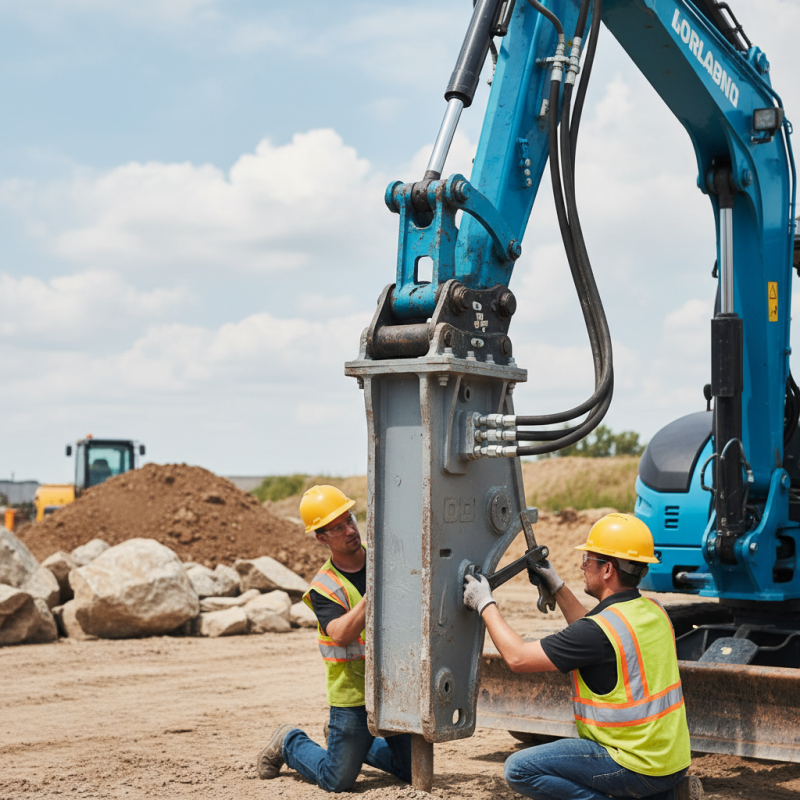
Top 10 Steps to Install a Hydraulic Breaker on Mini Excavators?

Understanding Hydraulic Breakers and Their Applications

Hydraulic breakers are essential tools for mini excavators. They are used to break concrete, rocks, and asphalt quickly and efficiently. Understanding their applications can enhance your project’s productivity. With a hydraulic breaker, tasks that usually take hours can be accomplished in minutes. These tools function by converting hydraulic pressure into powerful impacts, making them invaluable in construction and demolition scenarios.

When using a hydraulic breaker, always check compatibility with your mini excavator. Ensuring a proper fit prevents mechanical issues and enhances performance. It's wise to consult the mini excavator's manual before installation. Regular inspections will help identify wear and tear. Maintaining the hydraulic system is crucial. Low oil levels can impede efficiency.

Tips: Always wear safety gear when operating a hydraulic breaker. This includes helmets, gloves, and eye protection. Do not underestimate the force of a hydraulic breaker. Improper usage can lead to accidents. Take time to practice with the equipment in a controlled setting before tackling major tasks. This can reveal areas for improvement and build your confidence.

Preparing the Mini Excavator for Hydraulic Breaker Installation

When preparing a mini excavator for hydraulic breaker installation, careful planning is crucial. Start by ensuring that the mini excavator is in optimal working condition. Check the hydraulic system for leaks or damage. Look for signs of wear on hoses and fittings. Any faults here can lead to serious issues during operation.

Next, ensure the excavator’s weight and size are suitable for the hydraulic breaker. A mismatched size can cause instability or reduce performance. Verify the excavator's hydraulic flow rate and pressure to match the breaker specifications. This step is essential for efficient operation and longevity of both the machine and attachment.

Tips: Always clean the connection points before installation. Debris can cause malfunctions. It's advisable to have a second person assist with the installation. This additional support can improve safety and help with alignment.

A thorough inspection and preparation can save time and resources. Keep tools organized and readily accessible. This reduces stress and unnecessary delays during installation. Never underestimate the importance of planning in achieving a successful hydraulic breaker installation.

Installation Steps for Hydraulic Breaker on Mini Excavators

Selecting the Appropriate Hydraulic Breaker for Your Mini Excavator

Choosing the right hydraulic breaker for your mini excavator is crucial for optimal performance. It affects both efficiency and safety on the job site. Data from industry reports show that selecting the right tool can enhance productivity by up to 40%. This highlights the importance of matching a breaker to your specific tasks and equipment.

First, consider the weight class of your mini excavator. Breakers typically come in various sizes, ranging from 185 kg to over 1000 kg. A mismatch can lead to equipment damage or reduced efficiency. Also, pay attention to the energy class of the breaker. Higher energy levels may be necessary for tough materials, while lighter tasks might not require heavy-duty options.

Tips: Assess your work environment. Hard rock? Go for a powerful breaker. Soft soil? A smaller model will do. Also, check the oil flow rate of your excavator. Most brands provide specific flow rate recommendations for optimal breaker performance. Skipping this step may lead to underperformance or malfunction.

Another critical aspect is durability. Breakers with better shock absorption technology can last longer and require less maintenance. According to recent studies, models with advanced materials have a 30% longer lifespan. However, over time, all equipment wears down. Regular inspection will help identify issues early, preventing costly repairs. Prioritize equipment care to ensure longevity and performance.

Step-by-Step Guide to Attaching the Hydraulic Breaker

Attaching a hydraulic breaker to a mini excavator requires precision and expertise. Understanding how to perform each installation step can help maximize efficiency and ensure safety. According to industry reports, improper attachment can lead to equipment failure, costing operators significant downtime and repair expenses. A well-fitted breaker allows for accurate demolition and effective material handling.


Begin by securely positioning the mini excavator on a stable surface. Align the hydraulic breaker’s attachment points with the excavator’s quick coupler. This step is critical; misalignment can damage both the breaker and the excavator. Engage the coupler and ensure it locks in place. Experts recommend checking for any unusual gaps. They suggest using gauges if necessary.


Next, connect the hydraulic lines carefully. Use the appropriate fittings to avoid leaks. Ensure that hoses are not twisted or pinched, which can affect performance. Reports indicate that up to 30% of hydraulic failures stem from improper hose management. Once connected, test the breaker function on a small surface. This initial run can reveal potential issues before heavier tasks begin. Maintaining detailed logs of these steps enhances accountability and operational reliability.

Testing and Adjusting the Hydraulic Breaker for Optimal Performance

Testing and adjusting the hydraulic breaker for optimal performance is essential for efficient operation. Start by ensuring the hydraulic system is free of leaks. Check all connections and seals. A well-maintained system improves performance and extends the lifespan of your breaker.

During testing, listen for unusual noises. A clanging sound may indicate loose components. Conduct a flow rate check to confirm the breaker receives sufficient hydraulic fluid. If the flow is too low, adjust the hydraulic pump settings. Adequate flow guarantees effective impact energy delivery.

Tips: Make small adjustments initially. Over-adjusting can lead to inefficiency. Monitor your breaker regularly for wear and tear. Evaluate how the breaker performs on different materials. Adjust settings based on your observations to achieve optimal results. Fine-tuning leads to better performance and cost savings in the long run.

Sometimes, operators overlook the importance of the carrier's weight and stability. A lighter machine might not absorb impacts well. Ensure your mini excavator can handle the added stresses from the hydraulic breaker. Balancing the setup improves both safety and effectiveness. Regular assessments can help identify any shortcomings before they escalate into bigger issues.

FAQS

: How should I prepare my mini excavator for hydraulic breaker installation?

: Ensure the mini excavator is in optimal condition, checking for leaks and wear.

What can cause issues during hydraulic breaker operation?

Faulty hoses and fittings can lead to serious operation problems.

What factors should I consider when choosing a hydraulic breaker?

Match the breaker’s weight class and energy level to your mini excavator’s capacity.

Why is the hydraulic flow rate important?

It ensures efficient operation and prevents underperformance or malfunction of the breaker.

What should I do before installing the hydraulic breaker?

Always clean the connection points to prevent malfunctions due to debris.

How can I improve safety during installation?

Have a second person assist with alignment and support during the installation process.

What is a common mistake made when choosing a breaker?

Mismatching sizes can lead to instability or reduced efficiency on the job site.

What materials should I consider when selecting a hydraulic breaker?

Tough materials require powerful breakers; lighter tasks need smaller models.

How important is regular inspection of the equipment?

It helps identify deterioration early, preventing costly repairs down the line.

What is the consequence of neglecting equipment care?

Ignoring maintenance can lead to faster wear and unexpected breakdowns.

Conclusion

Installing a hydraulic breaker on a mini excavator can greatly enhance its versatility for various applications in construction and demolition. To successfully carry out this process, it is essential to understand what hydraulic breakers are and their specific applications. This includes preparing the mini excavator properly and selecting a breaker that is compatible with the machine.

The installation process involves a step-by-step guide to effectively attach the hydraulic breaker, ensuring that all parts are secured and operational. Once attached, testing and adjusting the hydraulic breaker is necessary for optimal performance, which allows operators to maximize the efficiency and effectiveness of their mini excavators. In summary, knowing how to install a hydraulic breaker on a mini excavator not only improves workflow but also extends the functionality of the equipment.

Sienna

Sienna

Sienna is a skilled marketing professional with a deep expertise in our company’s core products and services. With a passion for innovation and detail, she plays a pivotal role in crafting insightful blog posts that not only highlight the unique features of our offerings but also provide valuable......