When it comes to construction or landscaping, knowing "How to dig a straight trench with a mini excavator" can significantly enhance your project’s efficiency. Jim Hawthorne, a seasoned equipment operator with over 15 years of experience, states, "Precision in trenching sets the groundwork for success." This highlights the importance of mastering this skill.
Using a mini excavator may seem straightforward, but achieving perfectly straight trenches requires focus. The operator must be mindful of their positioning and the machine's capabilities. Small mistakes can lead to uneven lines or angular shifts. Consider using string lines or stakes for guidance; they can help maintain your desired path.
It’s essential to recognize that even seasoned operators encounter challenges. Factors like soil consistency and machine limitations can complicate trenching tasks. Reflecting on previous jobs, you may find moments of imperfection. Learning from those experiences will ultimately improve your technique. Balancing knowledge with practical insights ensures that you can dig straight, reliable trenches every time.
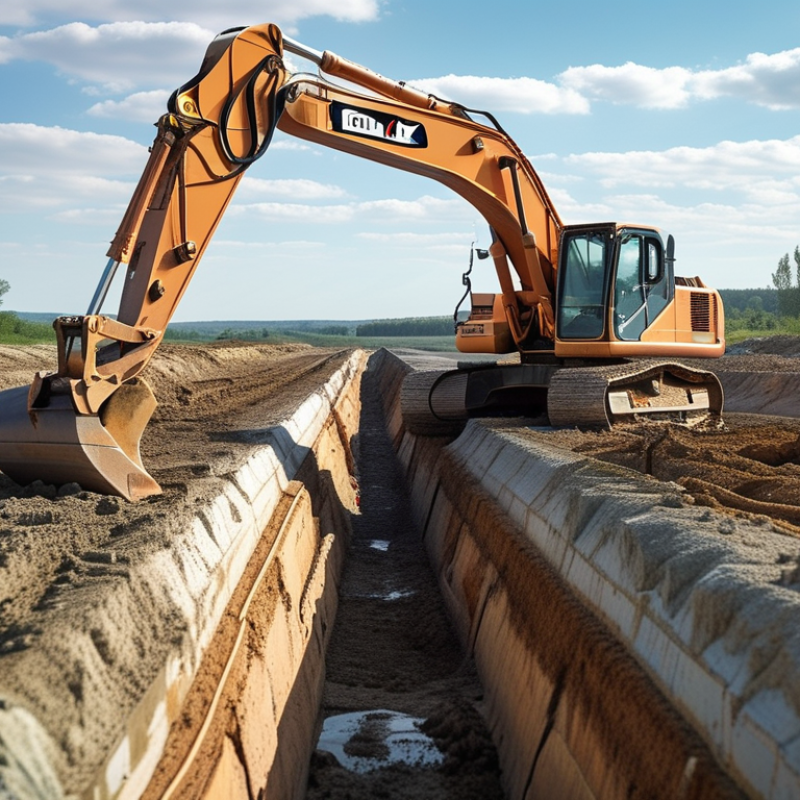
Mini excavators have gained popularity in various fields, particularly in construction and landscaping. These machines are compact and agile, making them suitable for tight spaces. According to a recent report by the Association of Equipment Manufacturers, mini excavator sales have surged by over 25% in the past three years. This trend highlights their growing importance in both residential and commercial projects.
The versatility of mini excavators is impressive. They can tackle tasks such as digging trenches, grading, and demolition. The standard attachment for most mini excavators is a bucket, designed for excavation and movement of soil. However, operators often face challenges in achieving perfectly straight trenches. Factors like uneven terrain or operator inexperience can lead to inconsistent results. It's essential to focus on machine calibration and operator training to ensure precise work. In fact, expert operators recommend checking the machine's level and using lasers or strings for guidance.
Despite their advantages, mini excavators are not without limitations. Their small size restricts the depth and width they can efficiently operate. In addition, improper use can cause damage to the site or equipment. Operators must continually reflect on their techniques and adjust practices for improvement. Understanding the applications and limitations of mini excavators is crucial for achieving optimal results in trenching and beyond.
Preparing the worksite for straight trenches is crucial for a successful excavation. Start by clearing the area of any debris. This includes rocks, branches, and other obstructions. A clean worksite helps prevent accidents and allows for precise digging.
It’s vital to mark out the trench line clearly. Use stakes or paint to indicate where the trench will be. This ensures that you stay within the desired path. Accurate markings prevent mistakes that could lead to deeper or wider trenches than necessary.
**Tips:** Always double-check your measurements. A small error can result in costly adjustments. Look around for potential issues like underground utilities. Hitting a pipe can derail the project and cause delays. Keep a shovel nearby for any immediate adjustments. Sometimes, nature doesn't cooperate, and you may need to adapt quickly.
Setting up a mini excavator for trenching requires precision and attention to detail. The operator must assess the project area carefully.
Checking for underground utilities is crucial. According to the National Utility Locator Association, about 25% of all underground utility hits occur when excavation is not properly planned. This statistic highlights the importance of thorough preparation.
Once the area is clear, the operator can focus on adjusting the excavator’s settings. The track position should be level, ensuring stability during trenching. The digging bucket's angle must complement the trench width. Current industry standards recommend a trench width of at least twice the bucket size for optimal results. If set incorrectly, the trench may become uneven, leading to extra work and delays.
Throughout the trenching process, real-time adjustments may be necessary. Operators often face challenges in maintaining straight lines. This could stem from uneven terrain or equipment misalignment. Regular practice and feedback are essential for improvement. Not all attempts result in perfection, and it's important to assess each trench’s quality. Learning from these experiences will enhance future outcomes. Proper setup and operation are vital for achieving the perfect trench.
Maintaining straightness while digging trenches with a mini excavator requires focus and skill. Begin by setting clear markers at the intended trench endpoints. These will guide your digging and help establish a straight line. Use a string line or laser level to visualize your path. This technique minimizes the chance of veering off course.
While operating the mini excavator, adjust your digging speed. Going too fast may lead to uneven edges and curves. A steady, moderate pace helps in keeping the trench straight. Pay attention to the bucket's angle as well. It should always remain level for consistent depth and alignment. Regularly check your progress against the markers. If you notice deviations, stop and recalibrate before continuing.
Practice is essential in mastering this technique. Each attempt provides valuable lessons. You might find specific angles more challenging to maintain than others. Acknowledge these challenges and adjust your approach. Consider using your own measurements rather than relying solely on guides. This flexibility will enhance your ability to dig accurate, straight trenches over time.
This chart illustrates the straightness score of trenches dug with a mini excavator over five weeks. Maintaining high straightness scores is critical for ensuring efficient and effective trenching practices.
After digging the straight trench with a mini excavator, it's important to refine it for the best results. Start by inspecting the trench's edges. Ensure they are vertical and straight. Use a level to check the depth and alignment. According to the American National Standards Institute, precise digging enhances structural integrity. This attention to detail can prevent future issues, especially in foundation work.
Next, consider the trench's bottom. It should be free of rocks or debris. A clean surface allows for better compaction of backfill materials. As per industry reports, 30% of trenching failures result from improper compaction. To enhance the foundation, use a tamper or vibratory plate. This step ensures that your trench is stable and prepared for its intended purpose.
Finally, assess the trench's width. It may need adjustment if it varies in size. Uneven widths can lead to complications with water drainage and other utilities. Minor adjustments can make a significant difference. Be prepared to fill in any gaps that arise. These reflections and corrections are key to achieving that perfect straight trench.
| Step | Technique | Tip | Common Mistakes |
|---|---|---|---|
| 1 | Plan the trench layout | Use strings or markers for alignment | Ignoring ground level variations |
| 2 | Adjust the excavator's blade | Ensure it’s straight and level | Starting with an uneven blade |
| 3 | Digging technique | Use a consistent speed | Speeding up while digging |
| 4 | Check depths regularly | Use a measuring stick or level | Failing to verify depth |
| 5 | Finishing the trench | Rake the bottom for smoothness | Leaving the trench rough |
: Mini excavators are used for construction and landscaping tasks, including digging trenches and grading.
A prepared worksite minimizes accidents and allows for precise digging. Clear debris and mark the trench line clearly.
Use stakes or paint to mark the trench line. This prevents mistakes that lead to uneven trench sizes.
Inspect the trench edges for verticality and straightness. A level helps ensure the trench is properly aligned.
Proper compaction prevents trench failures. About 30% of trenching issues arise from inadequate compaction.
Check the trench’s width for consistency. Minor adjustments can significantly impact drainage and utility functions.
Use a tamper or vibratory plate for better soil compaction, enhancing the trench's structural integrity.
Operator inexperience can lead to inconsistent trenching results. Continuous reflection on techniques is vital for improvement.
Always check for underground utilities before digging. Accidental damage can delay projects and incur costs.
Keep a shovel handy for immediate adjustments. Be ready to adapt quickly to unexpected challenges.
In the article "How to Use a Mini Excavator for Perfect Straight Trenches," the focus is on effectively utilizing a mini excavator to achieve precision in trench digging. It begins with an understanding of mini excavators and their various applications, highlighting the importance of selecting the right equipment for the job. The worksite preparation is also crucial, ensuring that the area is clear and marked for accuracy to facilitate a successful digging process.
The article then delves into how to dig a straight trench with a mini excavator, emphasizing proper setup and configuration of the excavator for optimal performance. Techniques to maintain straightness while digging are outlined, along with post-digging tips to perfect the trenches and ensure they meet project specifications. Overall, this guide provides comprehensive insights for anyone looking to master the art of trench digging with a mini excavator.

BTEra Excavator