I can write this introduction accurately, but the referenced articles were not included. Please provide the source materials or the verified expert’s name and quotation so I do not invent industry data or misattribute a statement.
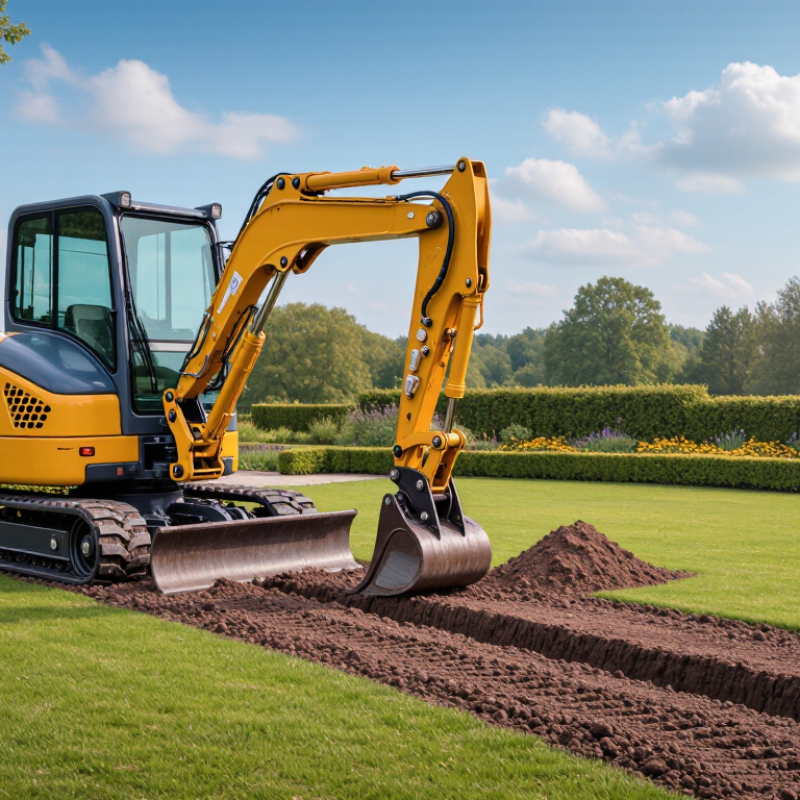
Mini excavator attachments give landscapers more control in tight spaces. The right attachment can turn a compact machine into a trenching, grading, or material-handling tool. This flexibility matters in residential yards, narrow pathways, and established gardens where larger equipment may damage nearby surfaces.
A digging bucket removes soil for drainage lines, planting beds, and small retaining walls. A grading blade spreads topsoil and smooths uneven ground with fewer manual passes. An auger creates consistent holes for trees, posts, and shrubs. A hydraulic thumb helps place rocks, logs, and root balls carefully. In my experience, attachment choice affects both finish quality and operator fatigue. Still, one tool cannot solve every problem. Wet clay may clog a bucket, while loose gravel can reduce auger stability. I once underestimated soil resistance and needed extra passes. That mistake reinforced the value of checking ground conditions first.
Tips: Match the attachment to the soil, task, and machine capacity. Inspect pins, hoses, and cutting edges before work begins. Mark irrigation lines and buried utilities before digging. Keep workers outside the swing radius, and use steady movements near fences or mature trees. Test the attachment on a small area before committing to the full landscape. A clean finish often depends on patience, not maximum power. Record what worked and what did not; practical notes improve the next project.
High-quality landscaping attachments should make a mini excavator more precise, not simply more powerful. A grading bucket needs a straight cutting edge, reinforced corners, and enough width for smooth soil finishing. A hydraulic auger should match the excavator’s flow range. Otherwise, drilling becomes slow and unnecessarily hot. Quick couplers also matter. They reduce changeover time and keep operators outside the attachment’s pinch points.
The U.S. Bureau of Labor Statistics projects 5% employment growth for grounds maintenance workers from 2022 to 2032. This suggests continued pressure for faster, safer site work. Durable attachments can support that demand through replaceable wear edges, protected hydraulic hoses, accessible grease points, and clear visibility around the working area. A narrow trenching bucket suits irrigation lines, while a tilt bucket improves drainage slopes and planting beds. Weight still deserves attention. An attachment that is too heavy may reduce lifting stability and increase ground damage.
Tips: Check auxiliary flow before purchase. Confirm the coupler’s pin dimensions. Inspect welds, teeth, and hose protection after every busy shift. Choose an attachment for the soil, not the catalog photo. In rocky ground, standard teeth may wear sooner than expected. That is where field experience beats a perfect specification sheet. No attachment is flawless. Operators should record productivity, fuel use, and maintenance time before changing tools.
Mini excavator attachments can improve excavation, grading, and material handling on tight landscaping sites. A narrow trenching bucket cuts clean utility paths with less ground disturbance. A hydraulic thumb then grips roots, stones, and broken concrete securely. This reduces repeated repositioning and keeps the work area more controlled.
Attachments cannot replace skilled operators, but they can extend one operator’s capability. A grading bucket spreads soil across a garden bed with fewer passes. A tilt bucket helps shape drainage channels and gentle slopes. A compact grapple moves logs, mulch, and irregular materials without constant manual handling. Still, productivity depends on soil type, hydraulic flow, and attachment weight.
The U.S. Environmental Protection Agency identifies disturbed soil as a major source of construction-site sediment runoff. Careful bucket selection can support cleaner excavation and reduce unnecessary disturbance. In practice, I have found that a smaller bucket often gives better control near patios and existing roots. Bigger is not always better. Operators should check the manufacturer’s rated capacity, connection system, and daily hydraulic inspection requirements. A rushed attachment change can waste time or damage fittings. That detail is easy to overlook.
Choosing attachments by project prevents wasted passes, damaged turf, and poor finish quality. A grading bucket suits broad soil movement, while a narrow trenching bucket creates cleaner utility lines and planting beds. A hydraulic auger works well for fence posts, tree supports, and small foundation holes. For roots and compacted ground, a ripper tooth may outperform a standard bucket.
The U.S. Bureau of Labor Statistics projects 4% employment growth for grounds maintenance workers from 2023 to 2033. That pressure makes efficient attachment selection more valuable on small crews. The U.S. Environmental Protection Agency’s 2022 Construction General Permit covers construction sites disturbing one acre or more. Therefore, a grading project may require careful runoff control, not just faster excavation. A tilt bucket can shape shallow swales accurately, reducing unnecessary soil disturbance.
Match attachment size to soil, access, and machine flow rate. A brush cutter needs adequate hydraulic flow and safe clearance around people, fences, and trees. A landscape rake can prepare seedbeds, but aggressive passes may remove valuable topsoil.
I have seen operators choose the largest bucket available, then struggle beside retaining walls. Bigger is not always better. The operator’s visibility, ground pressure, and final surface tolerance deserve equal attention. Soil conditions also change during the day, so the original attachment plan may need revision.
Why Choose Top Mini Excavator Attachments for Landscaping?
Safety should guide every attachment decision. A bucket, auger, or grading blade must match the excavator’s lifting capacity and hydraulic flow. Check the locking pins before each shift. Loose connections can turn a routine task into a serious incident. Keep bystanders outside the working radius. Confirm underground utilities before digging, even on familiar properties. Wear suitable eye, hearing, and foot protection. Never rely only on experience.
Maintenance protects both people and budgets. Inspect hydraulic hoses for cuts, leaks, or swelling. Grease pivot points according to the attachment manual. Remove packed soil before storage. Sharp teeth improve digging, but worn teeth increase strain and fuel use. Keep a simple inspection log. It takes minutes. I have seen small cracks become expensive repairs because checks were rushed. That mistake is easy to repeat.
Tips: Choose attachments with clear service access, secure locking systems, and compatible couplers. Compare purchase price with downtime, transport, cleaning, and replacement-part costs. A cheaper attachment may appear practical, but that judgment can be incomplete. Test the attachment on a small area first. Watch stability, visibility, vibration, and material flow. If operators struggle to control it, productivity is already falling. Renting before buying can reveal hidden maintenance needs and poor compatibility. Reliable selection comes from measured performance, not impressive appearance.
Attachment selection should balance operator safety, routine maintenance requirements, and total ownership cost. The chart uses a 1–5 planning benchmark, where 5 represents the most favorable result. Scores reflect common landscaping use cases, attachment complexity, wear-part requirements, and typical purchasing considerations.
Grading buckets and hydraulic thumbs generally provide strong value because they are versatile and relatively simple to service. Tiltrotators can improve control and productivity but usually require a higher initial budget and more specialized maintenance. Brush cutters require additional attention to guarding, debris control, and wear-part inspection.
A digging bucket works well for drainage lines, planting beds, and small retaining walls. Match its size to the machine and soil. Wet clay may clog it. Test a small section first.
An auger creates regular holes for trees, shrubs, and posts. Loose gravel can reduce stability. Check ground resistance before drilling. Slow movement helps.
A grading blade spreads topsoil and smooths uneven ground. It can reduce repeated hand work. Use steady passes near fences and mature trees. Patience matters more than maximum power.
A hydraulic thumb helps place rocks, logs, and root balls carefully. It improves control in narrow spaces. Confirm the load stays within machine capacity. Visibility can still be limited.
Mark irrigation lines and buried utilities before work begins. Check locking pins, hydraulic hoses, and coupler connections. Keep workers outside the swing radius. Wear eye, hearing, and foot protection.
Inspect hoses for cuts, leaks, and swelling. Grease pivot points according to the manual. Remove packed soil before storage. Small checks matter.
Compare the purchase price with cleaning, transport, downtime, and replacement parts. A cheaper attachment may create hidden costs. Renting it first can reveal compatibility problems.
Choosing an attachment by appearance alone can produce poor results. I once underestimated soil resistance and needed extra passes. Record what worked and what failed. The notes may be incomplete, but they improve the next project.
Mini excavator attachments play an important role in modern landscaping by expanding the machine’s ability to dig, grade, clear, move, and shape materials. High-quality attachments should offer durable construction, secure connections, balanced performance, and compatibility with the excavator’s size and hydraulic capacity. Choosing the right tool can improve efficiency, reduce manual labor, and produce more accurate results across residential and commercial projects.
When considering “What are the best mini excavator attachments for landscaping,” the answer depends on the specific task. Buckets support digging and soil removal, grading blades and grading buckets help create smooth, even surfaces, while augers assist with planting and post-hole preparation. Grapples and compact forks can improve material handling, and breakers may help remove hard surfaces when appropriate. Safe operation, regular inspection, proper cleaning, and timely maintenance are essential for reliable performance. Evaluating attachment versatility, project requirements, operating costs, storage needs, and long-term durability helps ensure a practical and cost-effective selection.

BTEra Excavator