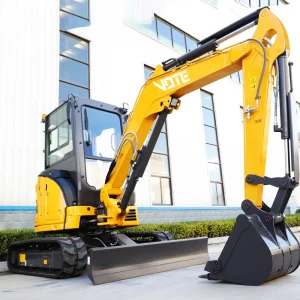
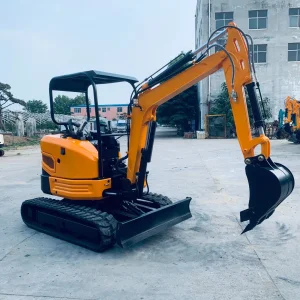
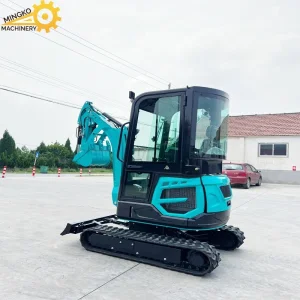
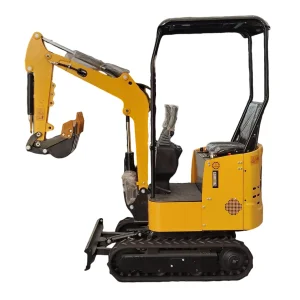
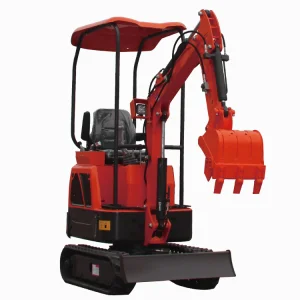
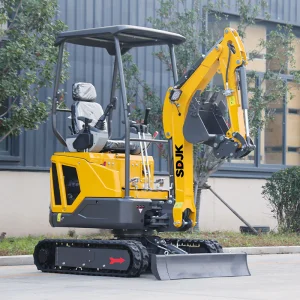
The global demands for civil engineering, utility construction, and agricultural remodeling have witnessed a major paradigm shift toward compact heavy machinery. In the domain of modern earthworks, mini excavators (operating weight < 6 tons) have transitioned from secondary utilities to main-line assets. Rapid urban expansion, stringent environmental regulations in North America and Western Europe, and a critical labor shortage in construction sectors have compelled contractors to choose small-footprint equipment with high hydraulic efficiency.
Mini excavators manufactured in China have redefined the competitive layout of this industry. By integrating advanced raw material processing, state-of-the-art hydraulic circuits, and cost-effective engine systems, Chinese manufacturers present a high-performing alternative to conventional OEMs. According to international market metrics, small excavators manufactured in China now account for a major share of new infrastructure projects across the APAC, Latin American, and African regions, while gaining steady ground in highly regulated European and North American markets through certified CE and EPA configurations.
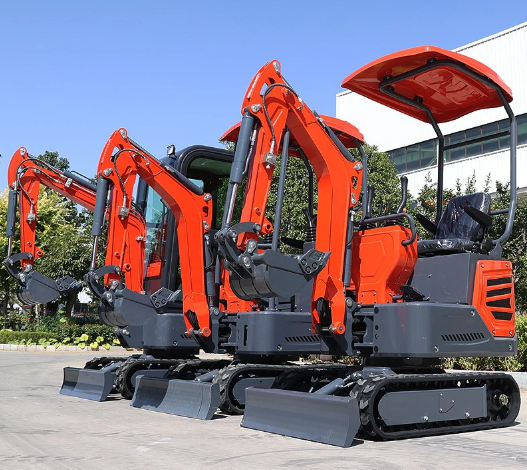
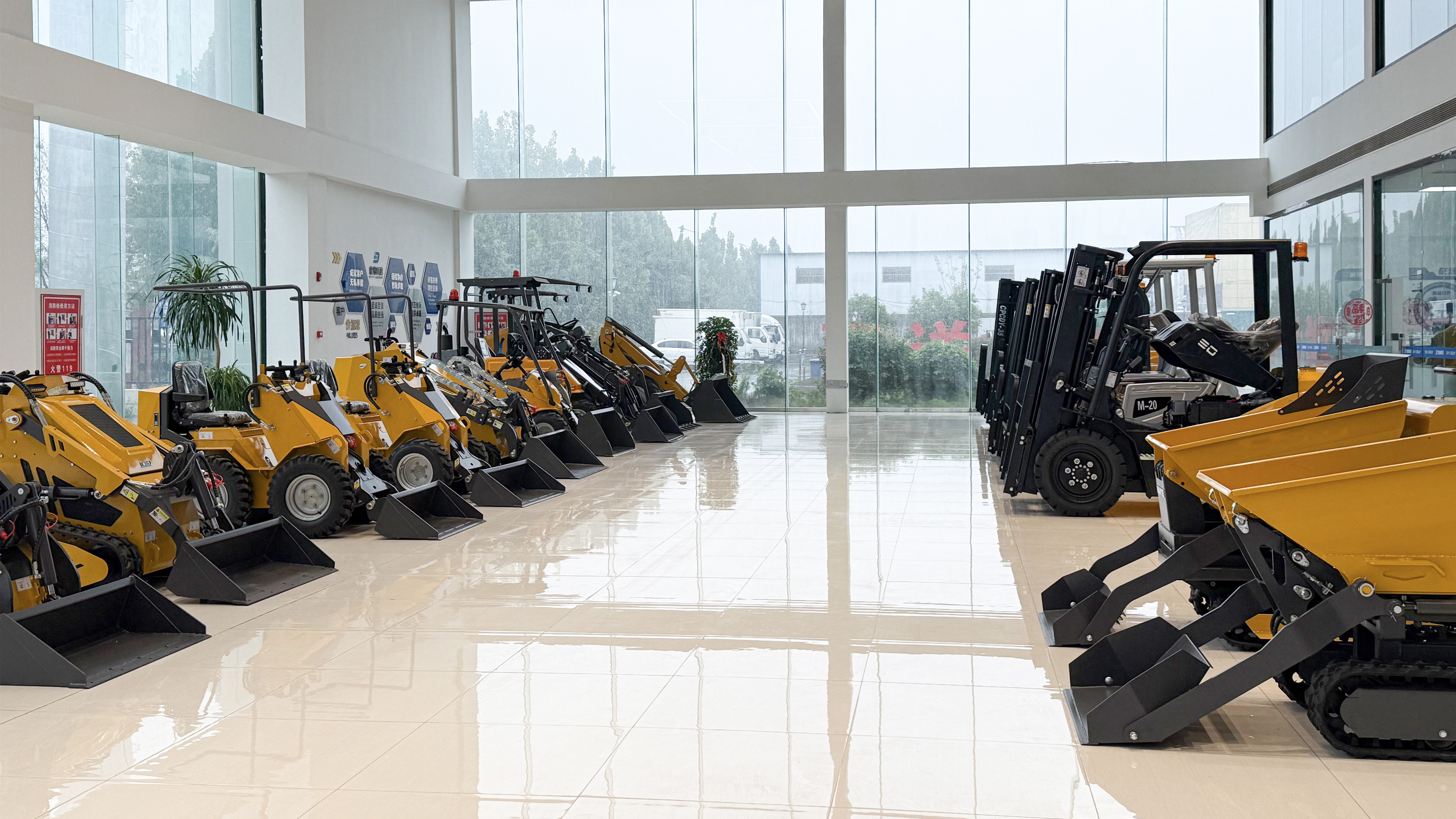
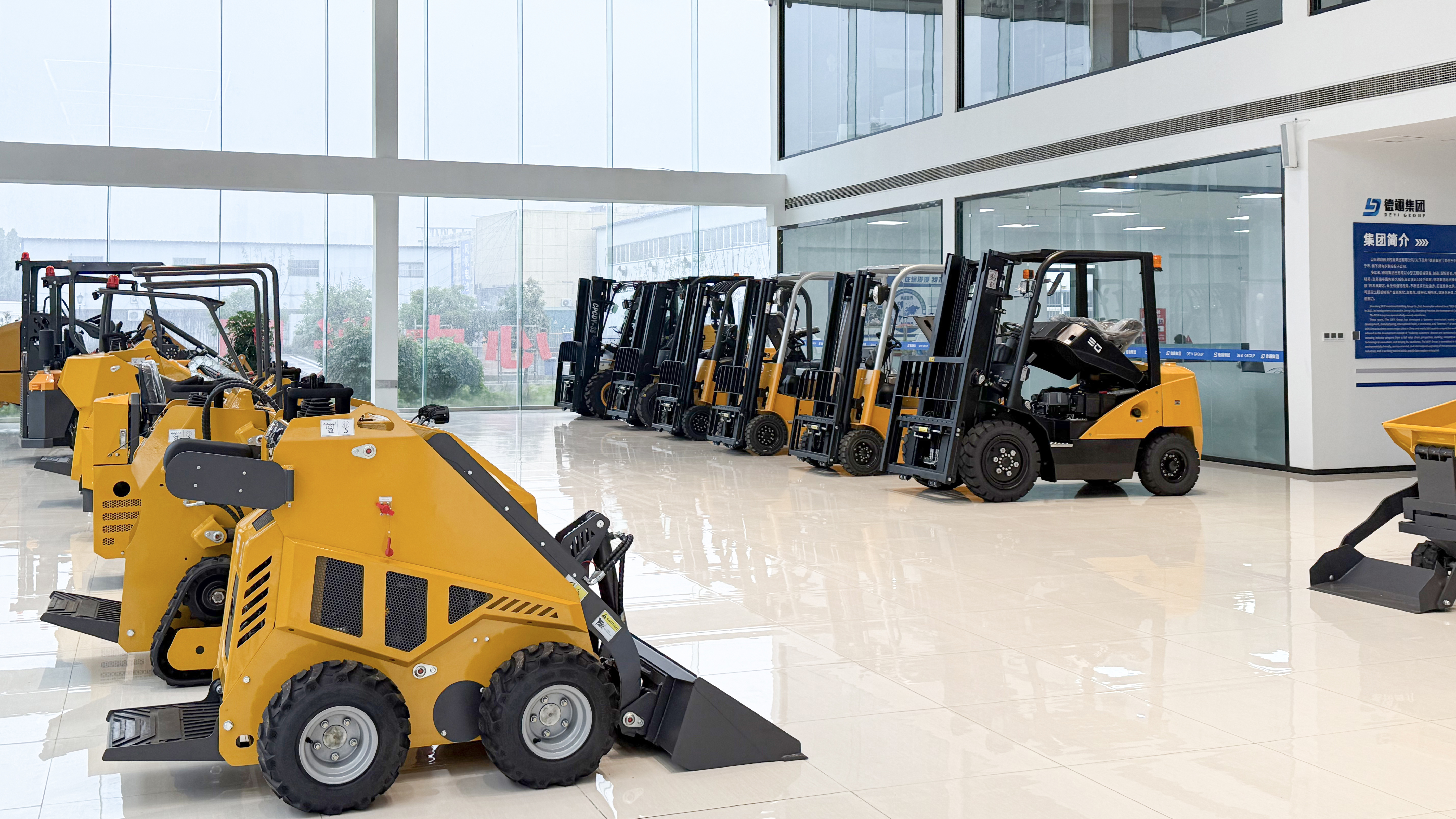
Shandong BTEra Excavator Co., Ltd. was established on the foundation of years of experience in the construction machinery industry, evolving from a specialized parts manufacturer into a comprehensive enterprise integrating research, development, production, and sales. With over two decades of industry expertise, BTEra has developed strong capabilities in manufacturing a full range of construction equipment, including hydraulic excavators, loaders, forklifts, and concrete machinery.
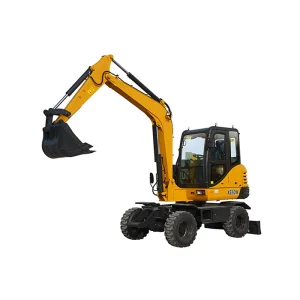
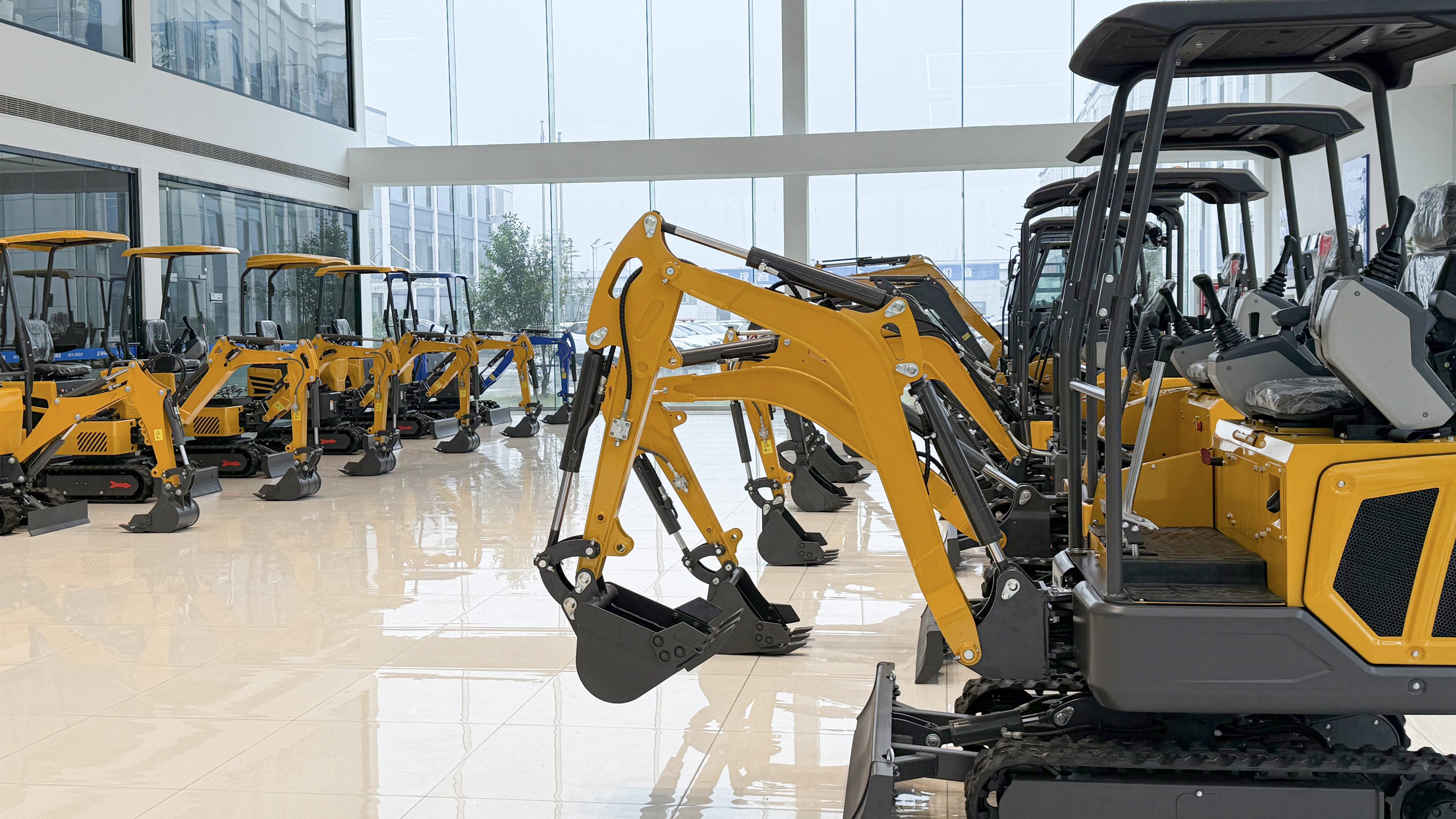
BTEra focuses primarily on excavating machinery, offering a wide product lineup that includes mini excavators, as well as medium and large excavators ranging from 800 kg to 55 tons. In addition, the company provides wheeled excavators with operating weights from 3.5 tons to 18 tons, meeting diverse construction needs across urban, agricultural, and industrial applications.
All BTEra products comply with international quality standards and are manufactured using advanced production technologies and strict quality control systems. The company is committed to becoming a globally trusted Chinese construction machinery brand, recognized by customers both domestically and internationally for reliability, performance, and value.
With competitive pricing, stable product quality, and continuous innovation, BTEra helps customers gain a strong advantage in their markets. We sincerely look forward to cooperating with partners worldwide to achieve mutual growth and build a successful future together. BTEra is ready to be your reliable and long-term supplier.
To understand the versatility of modern mini excavators, we must analyze how these machines adapt to different global geographical, regulatory, and geological conditions. Below is a breakdown of key localized operations:
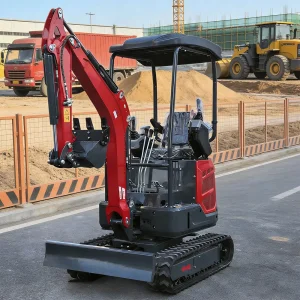
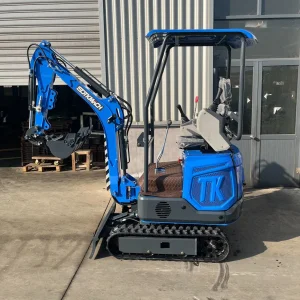
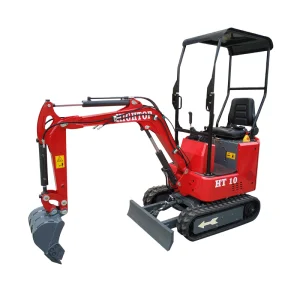
In European cities and North American metropolitan zones, narrow alleys and historic streets demand zero-tail-swing designs (such as the Hx26 Hixen or the 1.2 Ton Compact Zero Tail Swing). These machines dig trenching lines for fiber-optic cables, repair sewage pipes, and execute foundation works directly against building walls without risk of collision damage.
In orchards, vineyards, and domestic farms across Australia and Southeast Asia, mini diggers equipped with rubber tracks and auxiliary hydraulics execute tasks like tree planting, fence-post drilling, and ditch clearing. Rubber tracks prevent soil compaction, and customized augers speed up operations that once required heavy manual labor.
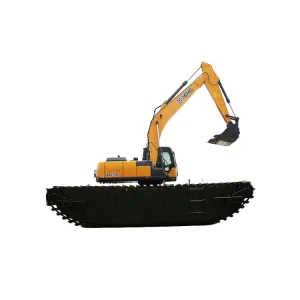
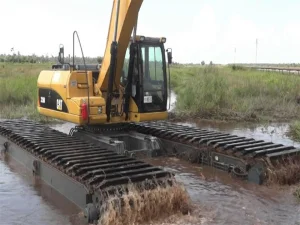
For delta agricultural regions, swamp dredging, and river-widening projects, standard crawlers sink into the soft mud. Specialized units with floating pontoon tracks (like the Xugong Xe215s Amphibious Excavator or long-reach floating pontoon variants) distribute ground pressure efficiently. This allows operations to continue in shallow water and tidal areas without getting stuck.
The future of earthworks equipment is driven by three main factors: Electrification, Intelligent Automation, and Modular Versatility. Industry leaders are focusing their engineering budgets on clean, efficient, and precise system integrations:
Driven by local carbon taxation and indoor operation requirements, the development of towable electric mini excavators and high-voltage lithium battery power units is rising. These electric systems reduce operational noise by up to 50% and eliminate site exhaust emissions, making them ideal for indoor renovations and night-time urban works.
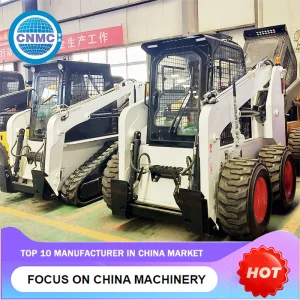
IoT systems integrated into excavator controls now transmit real-time telemetry, including hydraulic pressure status, thermal readings, and GPS tracking. Remote-control units (such as the remote control skid steer and smart crawler systems deployed in Australian warehouses) allow operators to work from a safe distance in hazardous conditions like demolition sites or steep slopes.
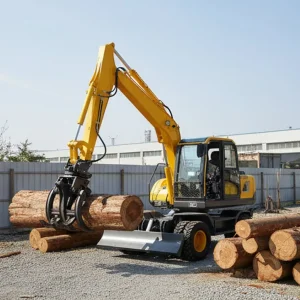
Modern earthwork requires more than just bucket digging. Integrating quick-hitch hydraulic coupler circuits allows the operator to switch from an auger to a hydraulic breaker, log grabber, or rotary mower in under 60 seconds without leaving the cab. This boosts site productivity and reduces the need for multiple machines on site.
The capability of Chinese factories to produce reliable, high-performance earthmoving machinery at competitive prices is built on a complete, self-sustaining industrial ecosystem. Unlike many Western assembly lines that import core cast components, Chinese industrial zones concentrate steel production, precision hydraulic manufacturing, engine customization, and assembly facilities within close geographic areas.
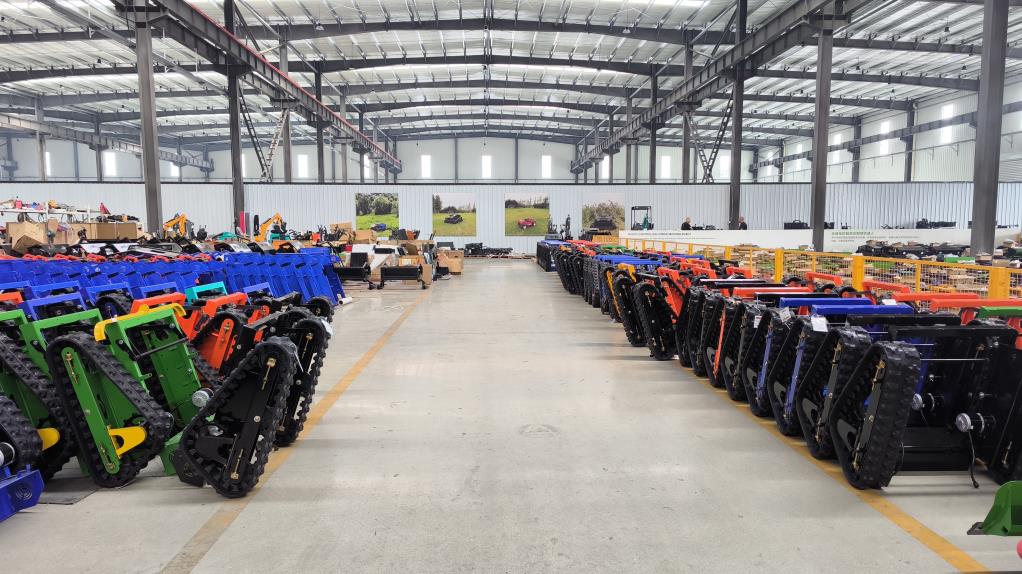
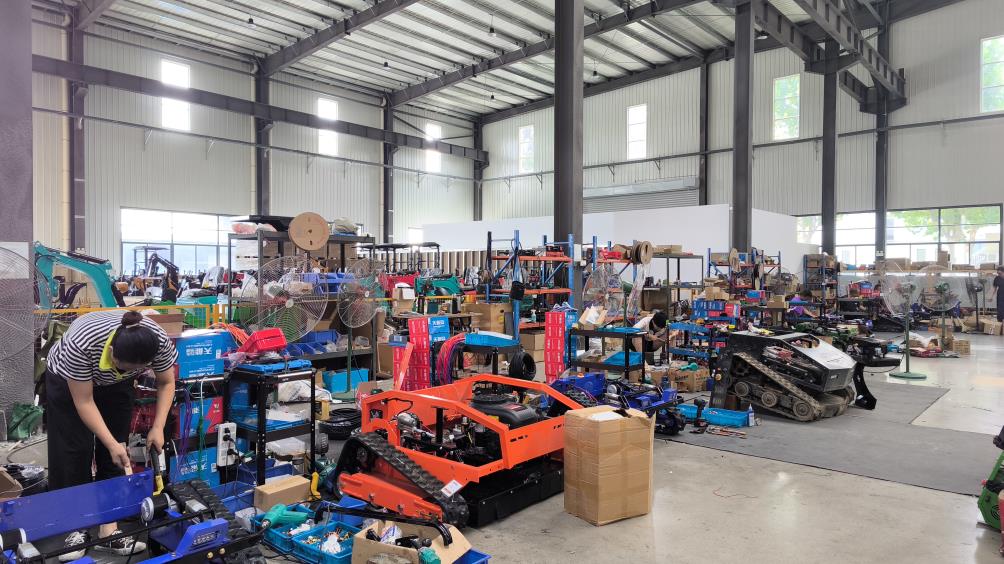
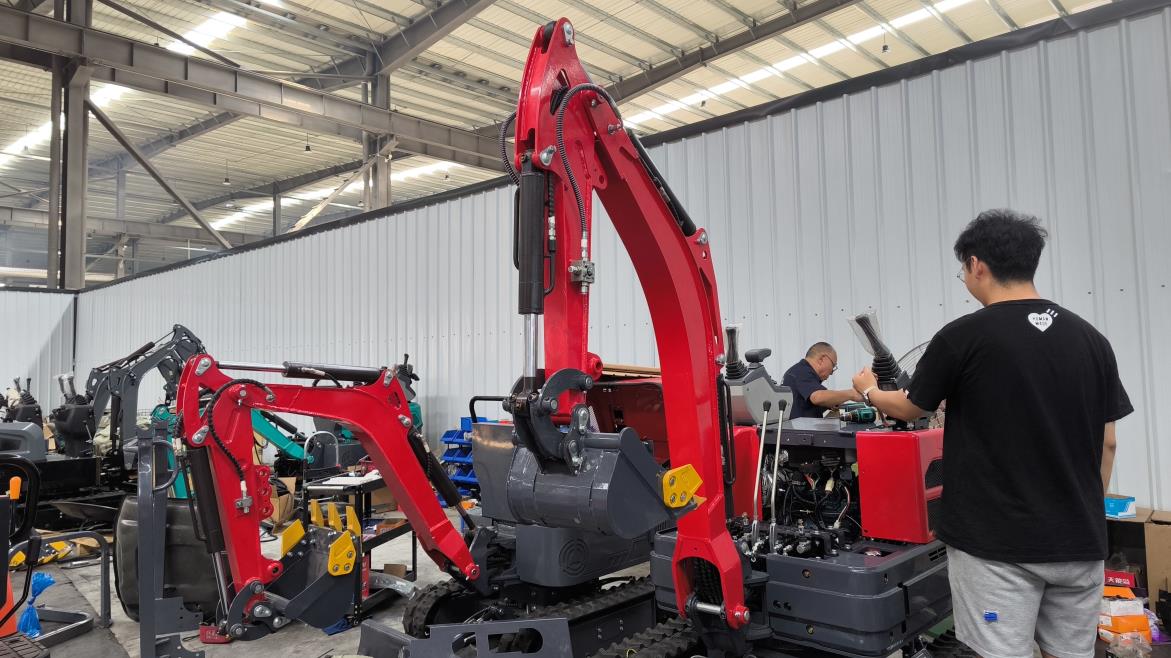
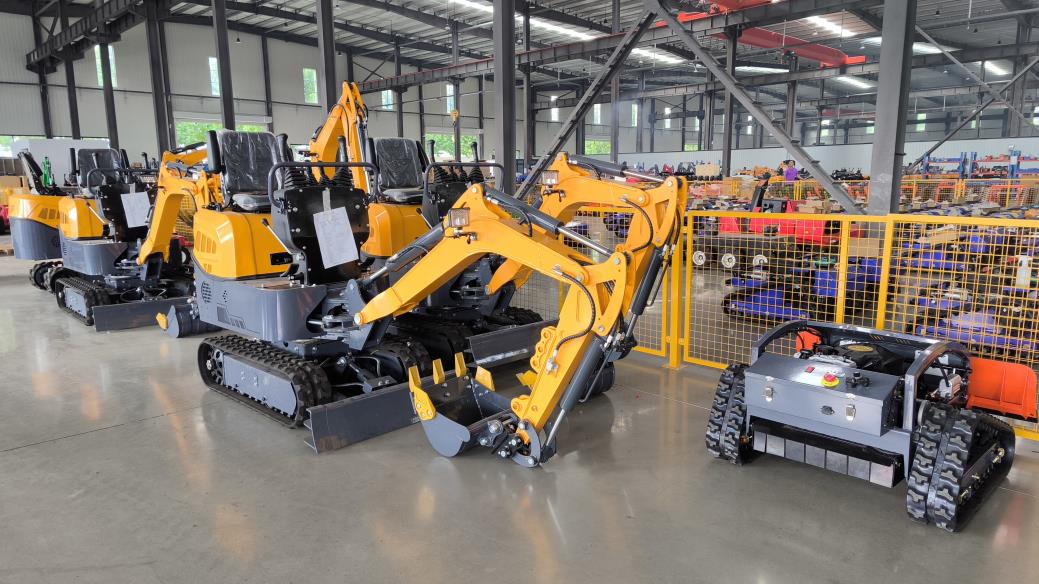
This industrial integration ensures high control over quality, quick structural revisions, and rapid response to raw material changes. For instance, the transition to retractable track cast structures and heavy steel boom arms is supported by local, high-precision casting hubs. BTEra's production line illustrates this efficiency by maintaining strict quality inspections at every stage:
Establishing reliability in international construction machinery distribution requires clear support policies and robust service tracking. At BTEra, our global operations are structured to guarantee transparency and product reliability:
For US and European Union markets, BTEra installs engines that comply with EPA Tier 4 Final and Euro Stage V emission standards, such as Kubota, Yanmar, or Perkins engines. These configurations ensure compliance with local emissions laws while offering global parts availability and reliable performance.
Zero-tail-swing (ZTS) means the excavator's house does not overhang the tracks during a full rotation. This design allows the machine to spin safely inside confined areas, next to roads, walls, or fences, without the risk of hitting nearby structures. It increases safety and productivity on congested urban job sites.
Standard tracks sink under their own weight in swampy areas or riverbeds. Amphibious tracks feature hollow steel pontoon structures that generate buoyancy, reducing ground contact pressure down to 0.12 kg/cm² or less. This design allows the excavator to float and operate safely in marshes and shallow waterways.
Standard delivery ranges between 15 to 30 days depending on shipping route and customization. To protect against saltwater corrosion during long sea transit, machines are treated with anti-rust coatings, securely anchored to flat racks or inside containers with heavy-duty chains, and covered in protective shrink-wrapping.
 BTEra Excavator