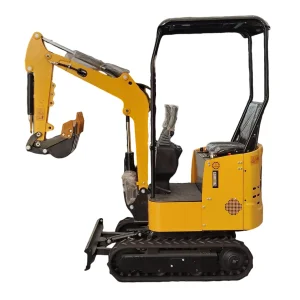
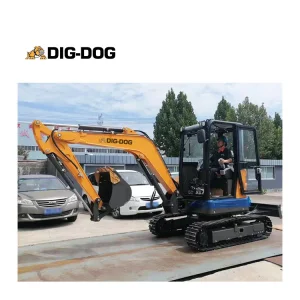
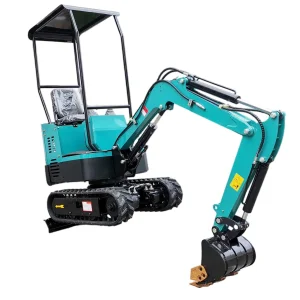
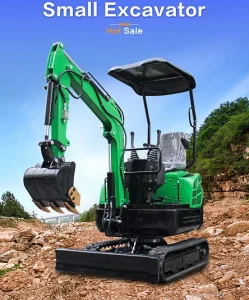
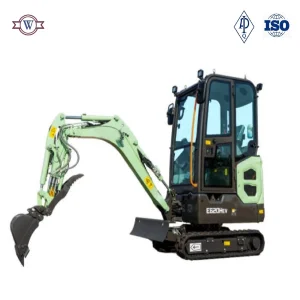
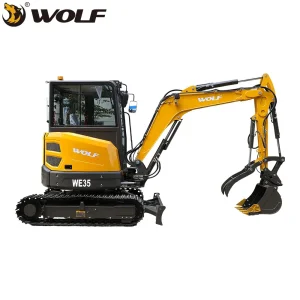
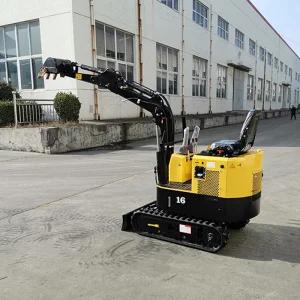
Explore our highly integrated, CE-compliant crawler and wheeled mini excavators configured for versatile agricultural, structural, and infrastructure applications.
Unveiling market dynamics driving multifunctional compact equipment globally.
In the modern era of precision agriculture and compact construction engineering, the traditional boundaries separating earthmoving equipment from dedicated agrarian implements have dissolved. The global deployment of mini excavators integrated with auxiliary PTO (Power Take-Off) hydraulic tillers represents a major leap in operational efficiency. Faced with rising global labor costs, shrinking rural workforces, and the need for precision tool carriers, developers and farmers are adopting modular earthmovers to handle diverse jobs.
From vineyard management in Europe to site preparation in North American suburbs, the demand for compact machines under 5 tons continues to grow. By pairing the excavating arm of a micro digger with a high-torque rotary tiller, operators can perform trenching, grading, and soil cultivation using a single power source. This utility lowers the initial capital expenditure for fleets and boosts the machine's return on investment (ROI).
Importantly, navigating these global markets requires strict compliance. For European Union importers, CE Certification (Machinery Directive 2006/42/EC) is essential. It guarantees that the equipment meets demanding criteria for hydraulic line stability, acoustic emissions, safety guards, structural stress tolerances, and rollover protective structures (ROPS).
Without proper CE validation, entering the European market is legally impossible. Thus, choosing manufacturers that comply with ISO and CE standards is critical to protecting logistics and building retail trust.
Technical mechanics, hydraulic engineering, and chassis stability parameters.
Operating a hydraulic tiller attachment on a mini excavator requires precise mechanical engineering and fluid dynamics. Unlike standard bucket digging, a rotary tiller runs continuously, requiring high oil flow and pressure. This calls for dedicated dual-way auxiliary hydraulic circuits that can manage high flow rates without overheating the hydraulic system.
Continuous flow is critical. BTEra's excavator hydraulic valves are calibrated to deliver stable flow to auxiliary loops, minimizing back pressure and preventing thermal breakdown of hydraulic fluid.
Tilling places persistent vibration and torsional forces on the machine's boom and arm. Heavy-duty structures and reinforced pin bushings are crucial to absorb these continuous stresses.
Switching between bucket excavation, earth augers, and rotary tillers must be quick and seamless. Hydraulic quick-couplers minimize fluid loss and reduce downtime during attachment changes.
Chassis stability is another key engineering challenge. When the tiller engages hard soil, the reaction forces push back against the excavator arm, creating leverage that can tilt the machine. To counter this, BTEra mini excavators are engineered with retracting track structures, optimizing center-of-gravity shifts. This is paired with heavy-duty blade stabilizers that anchor the chassis during operation, protecting both the operator and the machine's linkages.
Over two decades of manufacturing leadership, operational excellence, and comprehensive infrastructure solutions.
Established on the foundation of years of experience in the construction machinery industry, Shandong BTEra Excavator Co., Ltd. has evolved from a specialized parts manufacturer into a comprehensive enterprise integrating research, development, production, and sales. With over two decades of industry expertise, BTEra has developed strong capabilities in manufacturing a full range of construction equipment, including hydraulic excavators, loaders, forklifts, and concrete machinery.
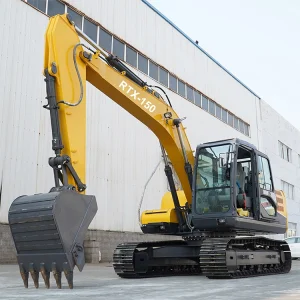
BTEra focuses primarily on excavating machinery, offering a wide product lineup that includes mini excavators, as well as medium and large excavators ranging from 800 kg to 55 tons. In addition, the company provides wheeled excavators with operating weights from 3.5 tons to 18 tons, meeting diverse construction needs across urban, agricultural, and industrial applications.
All BTEra products comply with international quality standards and are manufactured using advanced production technologies and strict quality control systems. The company is committed to becoming a globally trusted Chinese construction machinery brand, recognized by customers both domestically and internationally for reliability, performance, and value.
With competitive pricing, stable product quality, and continuous innovation, BTEra helps customers gain a strong advantage in their markets. We look forward to cooperating with partners worldwide to achieve mutual growth and build a successful future together. BTEra is ready to be your reliable and long-term supplier.
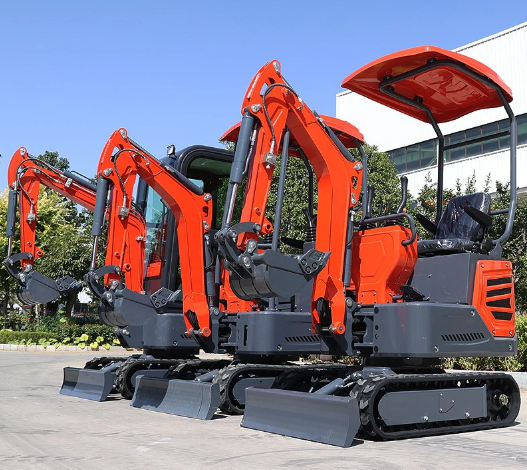
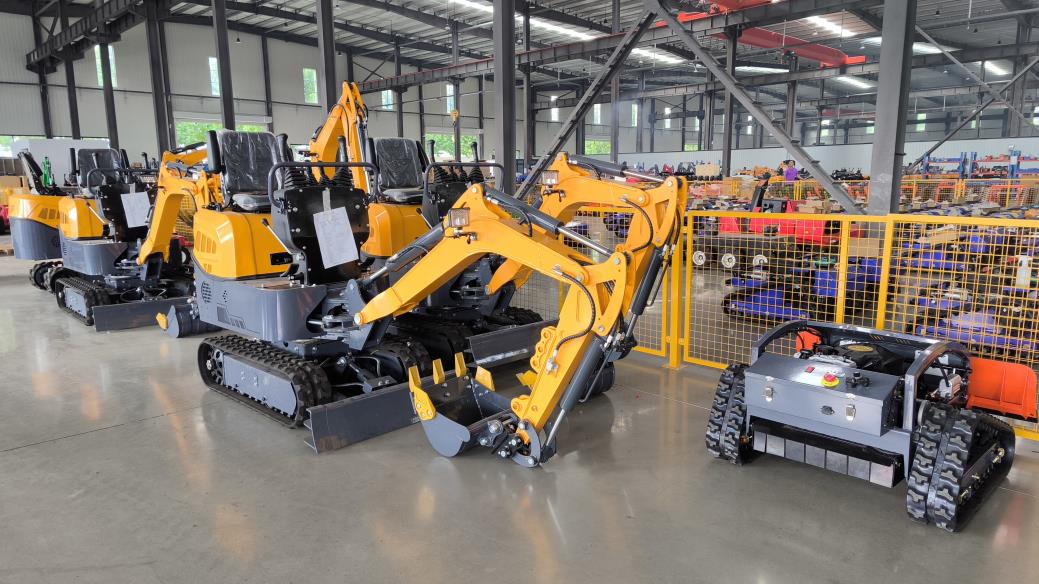
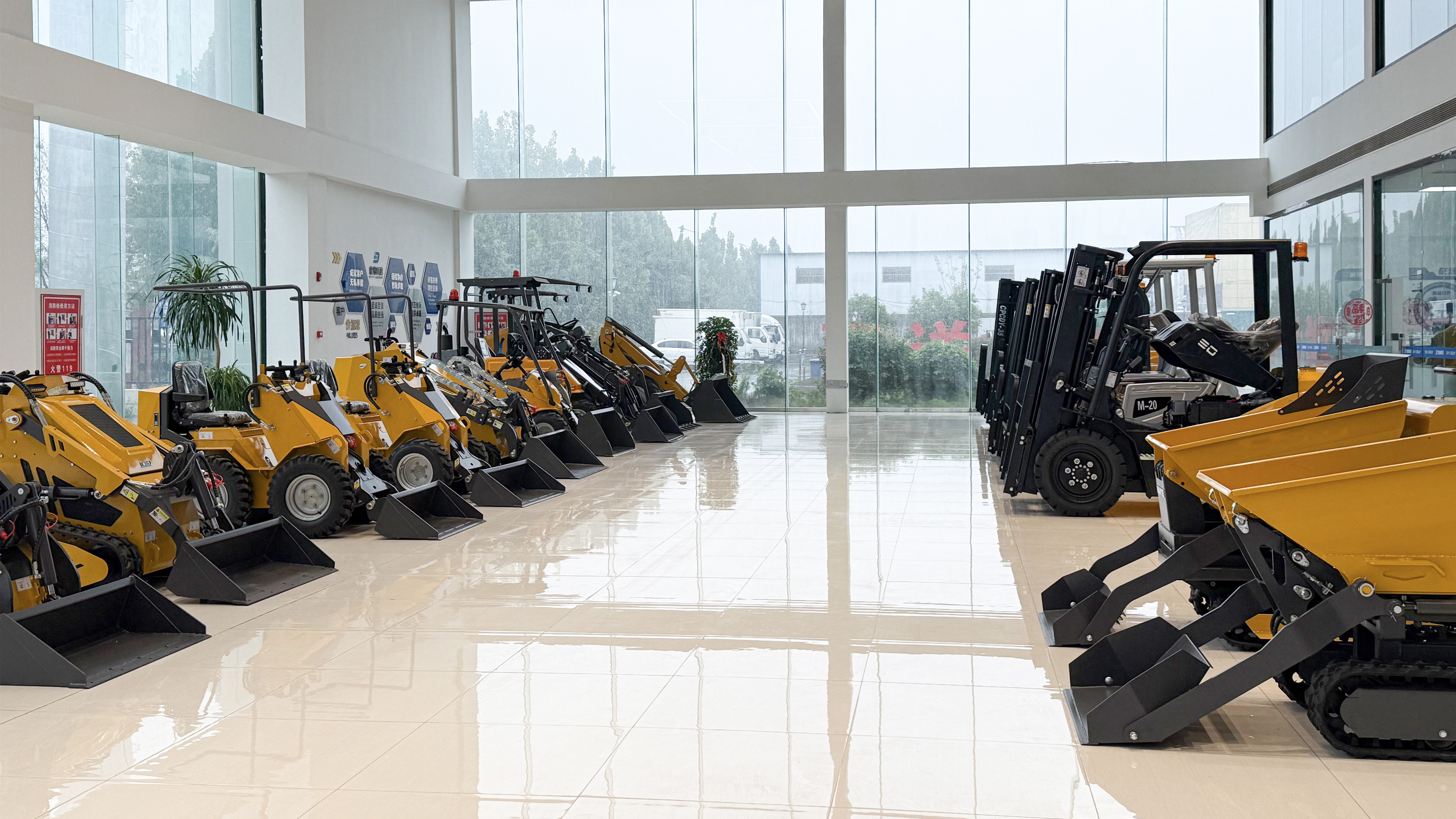
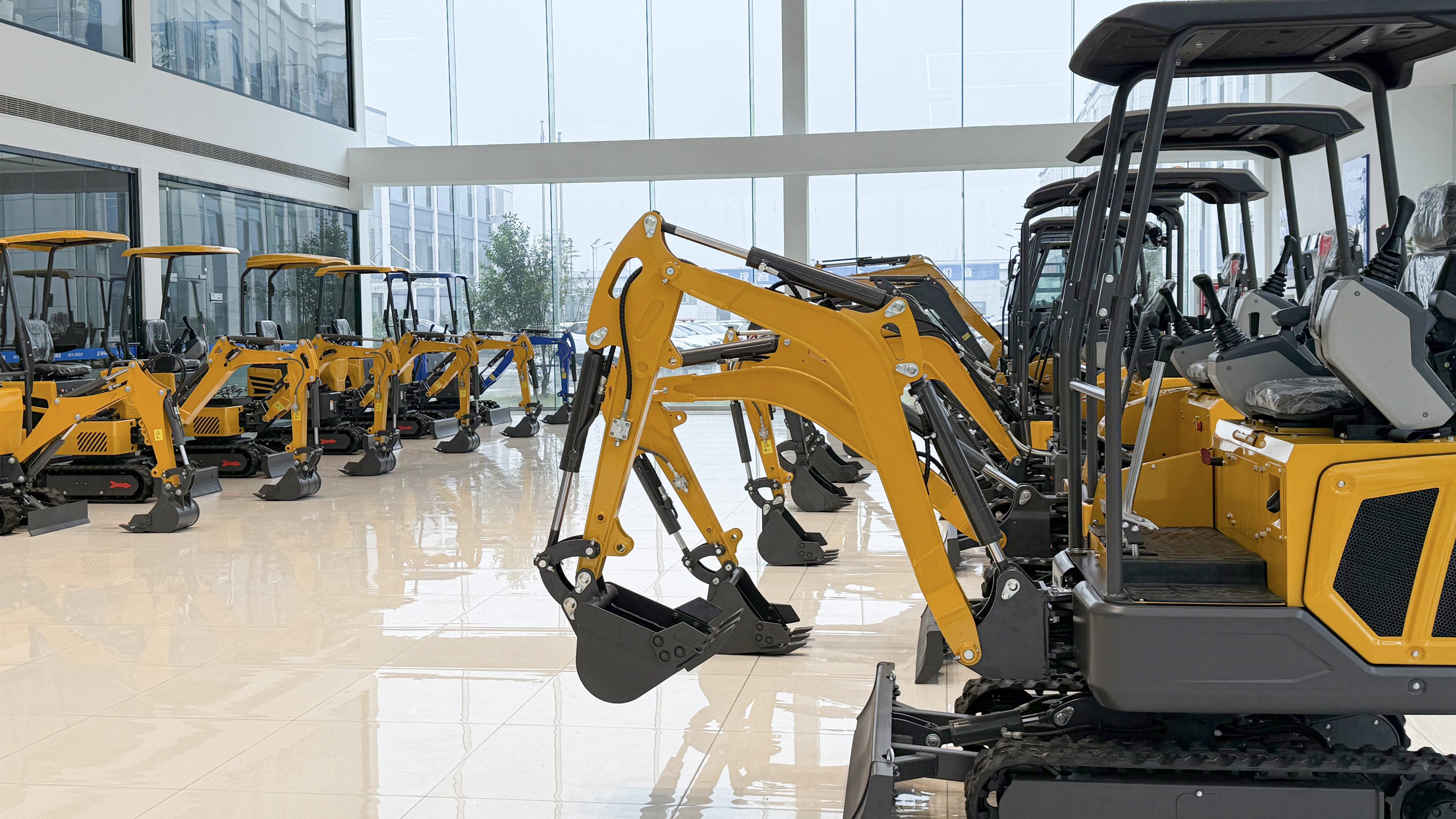
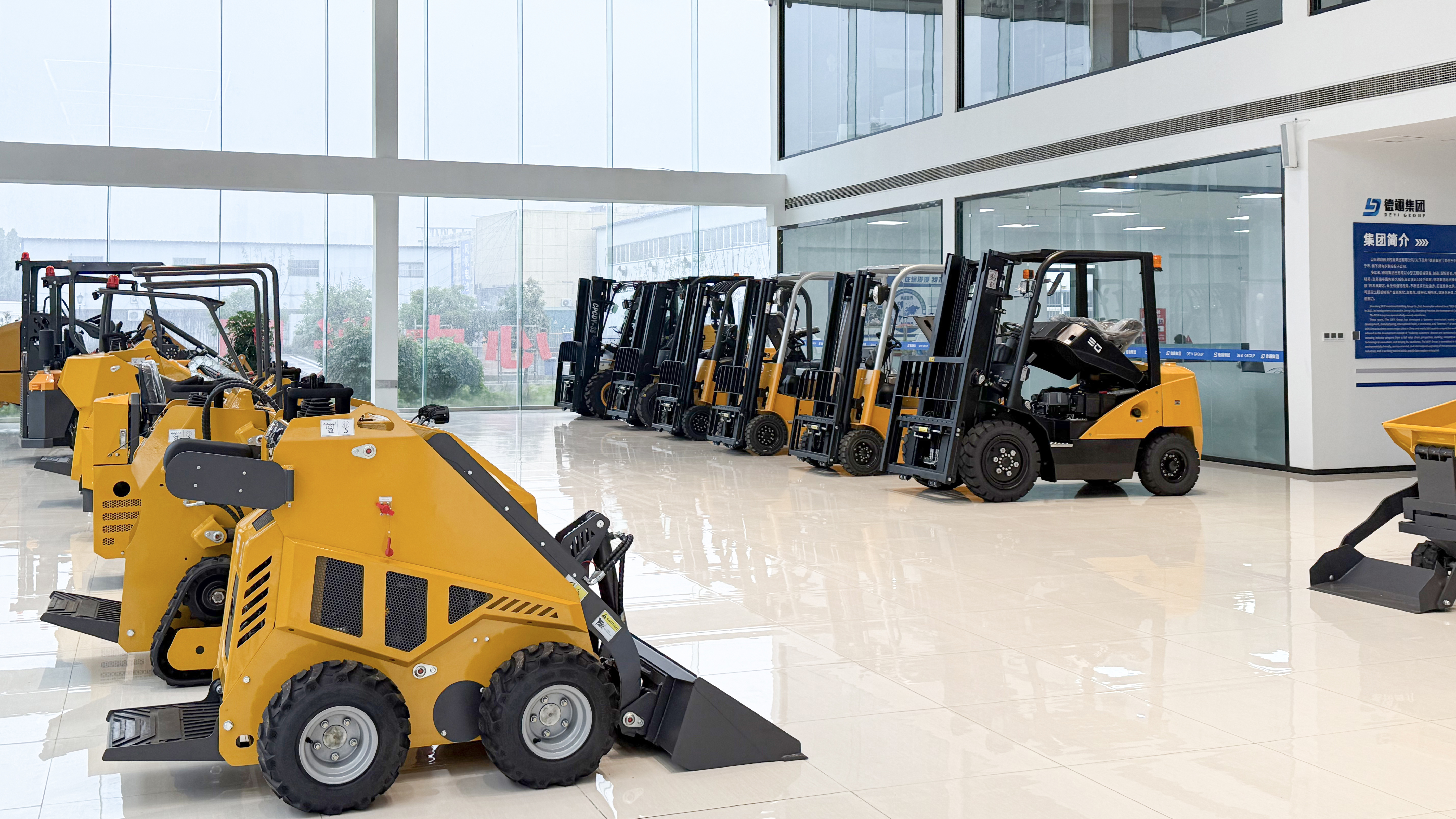
Take a look at BTEra's quality-controlled production line, where advanced robotics meet skilled engineering from raw materials to final functional debugging.
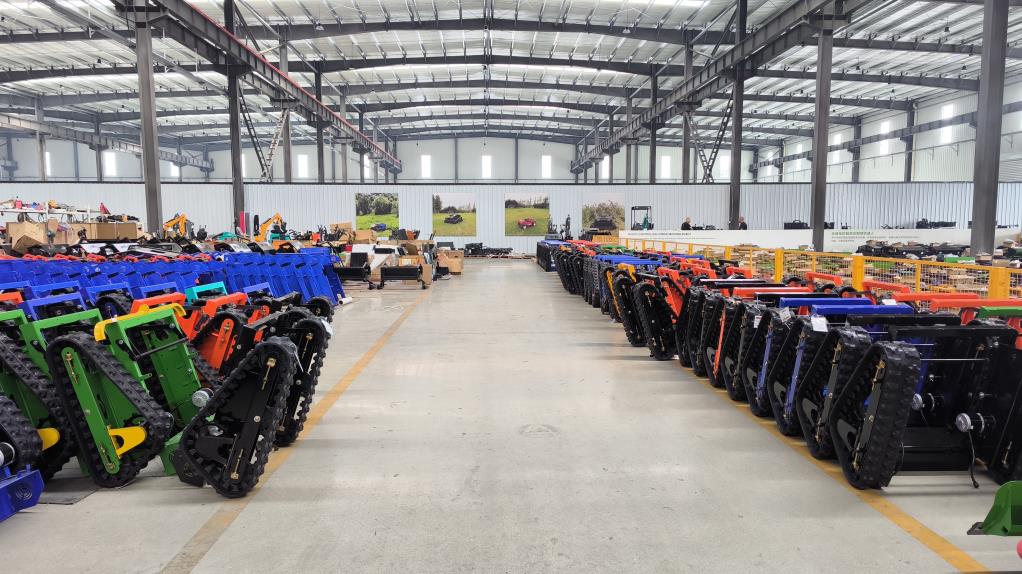
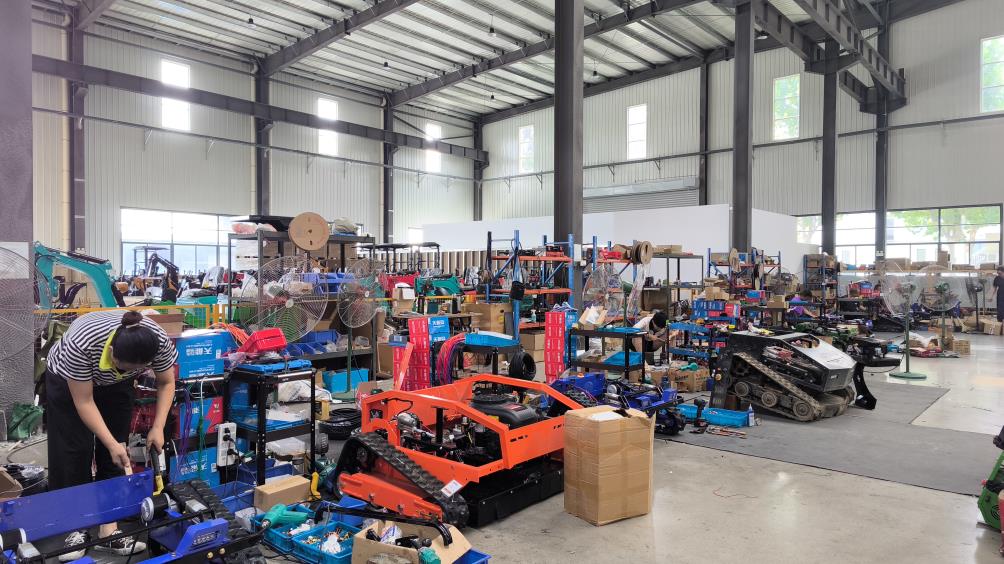
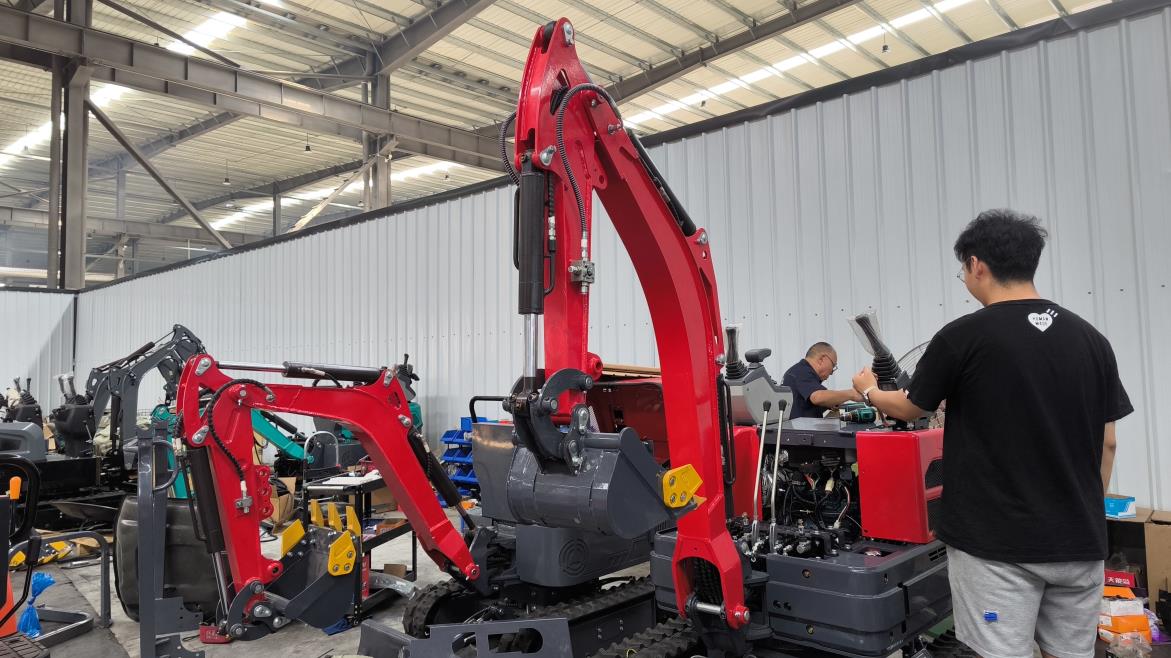
The next generation of zero-emission drives, digital hydraulics, and intelligent tool carriers.
Driven by strict city noise regulations and emissions rules in parts of Europe and North America, the industry is moving toward electrification. Battery-electric mini excavators allow zero-emission indoor construction, basement trenching, and night-shift urban works. BTEra is keeping pace with this shift by developing micro-electric crawlers that match the hydraulic breakout forces of traditional diesel diggers.
Future excavator setups will focus on smart attachment detection. Modern digital controllers can identify the connected tool (whether a bucket, breaker, auger, or tiller) and auto-calibrate the hydraulic flow and pressure settings. This prevents operator errors, protects hydraulic motors from over-pressurization, and maximizes tool life.
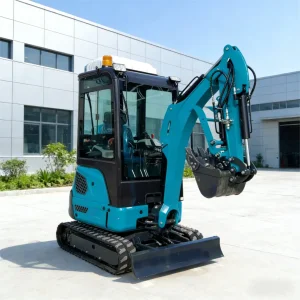
Urban jobs require machines that can work in tight spaces. Zero-tail swing models allow the upper structure to rotate fully within the width of the tracks, minimizing the risk of hitting walls, fences, or passing traffic. This helps operators focus entirely on excavation and grading without worrying about rear-end collisions.
Modern cabins are designed to reduce operator fatigue. By adding vibration-damping mountings, ergonomic joysticks, dust-proof filtration, and option-rich digital displays, operators can work longer with greater precision. Adding sunproof cabins and high-visibility glass options ensures safe operation under harsh weather and rough site conditions.
Understanding our structured quality assurance framework, from raw materials to after-sales service.
How local soil types and regional regulations shape the ideal choice of equipment.
Western European markets require strict compliance with EU Stage V emissions standards and sound level caps (Directive 2000/14/EC). In these high-density urban areas, operators rely on zero-tail-swing excavators and electric-hydraulic hybrid diggers. High labor costs make automatic quick couplers highly valuable, allowing a single operator to switch from trenching to soil tilling without leaving the cabin.
In North America, mini excavators are widely used in suburban development, landscaping, and farming. Customers prefer machines with high auxiliary hydraulic output (typically above 40 L/min) to run demanding attachments like rotary tillers, heavy brush cutters, and earth augers. Durability is a priority, along with cabins equipped with ROPS/FOPS and heating/air conditioning to handle extreme weather.
In Southeast Asia and Latin America, cost-effectiveness, reliability, and ease of maintenance are the top priorities. The combination of a mini excavator and a tiller is highly effective for preparing soil in orchards, coffee plantations, and terrace farming. For these regions, simplified, reliable diesel engines (such as single-cylinder or three-cylinder naturally aspirated systems) are preferred because they can be serviced locally without specialized diagnostic tools.
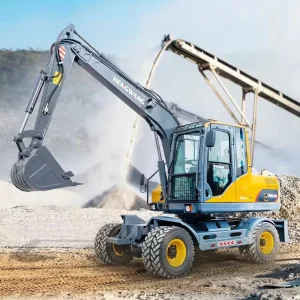
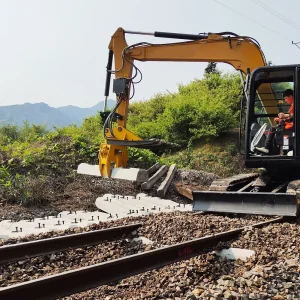
For municipal drainage, fiber-optic cable installation, and road maintenance, compact wheeled mini excavators (3.5 to 6 tons) are highly efficient. They can drive directly on asphalt without damaging the road surface, making them perfect for fast utility repairs in busy urban environments.
Technical answers to help engineers, buyers, and distributors make informed decisions.
To run a hydraulic tiller efficiently, the excavator typically needs an auxiliary flow rate between 30 to 60 liters per minute (L/min) at a operating pressure of 16 to 21 MPa. Running a tiller with insufficient flow can cause it to stall in hard soil, while excessive flow can overheat the hydraulic oil.
CE certification indicates that the equipment meets EU safety, health, and environmental standards. It confirms compliance with the Machinery Directive 2006/42/EC, guaranteeing essential safety features like reliable cabin structures (ROPS/FOPS), secure hydraulic hose guards, and controlled noise limits.
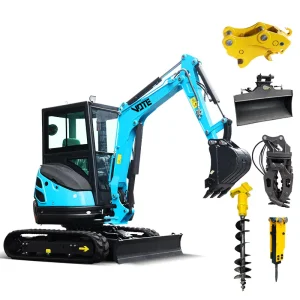
Yes. BTEra mini excavators are engineered as versatile tool carriers. They feature standard auxiliary hydraulic lines and optional quick-couplers, allowing operators to easily switch between digging buckets, hydraulic concrete breakers, earth augers, wood grabs, and tillers.
A zero-tail-swing layout ensures that the counterweight stays within the track width as the house rotates. This allows operators to work safely near walls, utility poles, and tight traffic lanes without risk of damage, making it perfect for confined municipal jobs.
BTEra provides a one-year warranty on all key components (engine, hydraulic pump, and control valves), backed by lifetime technical support. We also ship replacement parts worldwide and provide detailed technical manuals to ensure minimal project downtime.
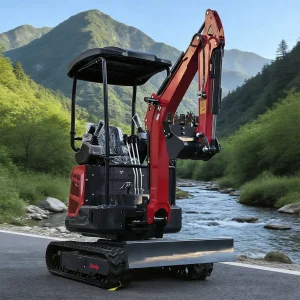
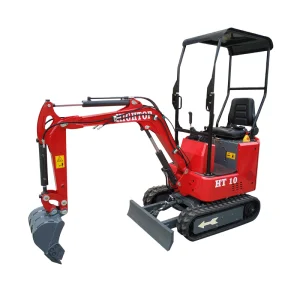
Browse the second half of our specialized inventory, featuring high-torque auger attachments, electric excavators, and heavy-duty utility crawlers.
 BTEra Excavator