Amphibious Small Excavator Exporter & Exporters in the Kiribati Market

Engineering Low-Ground-Pressure Amphibious Diggers for Atoll Infrastructure Development, Lagoon Dredging, and Coastal Climate Resilience Initiatives

Featured Amphibious Excavators for Kiribati Operations

Heavy-duty, saltwater-resistant marine construction machinery optimized for shallow lagoon dredging and coastal protection works across Tarawa and the Outer Islands.
Kiribati's Coastal Infrastructure Demands & Environmental Reality

Kiribati, an island nation composed of 33 low-lying atolls and reef islands scattered across the central Pacific Ocean, is at the absolute forefront of the global climate challenge. With elevations averaging less than two meters above sea level, the country faces critical challenges involving shoreline erosion, salt-water intrusion, and the continuous need for land reclamation and harbor maintenance. Traditional heavy construction machinery is heavily constrained by the soft coral sand, intertidal mudflats, and swampy mangrove marshes that define the landscape.

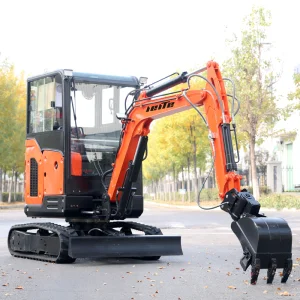
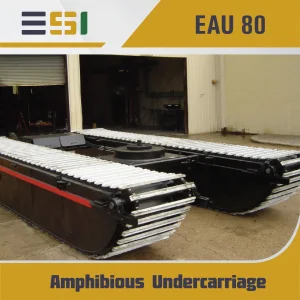
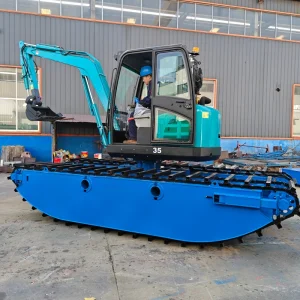
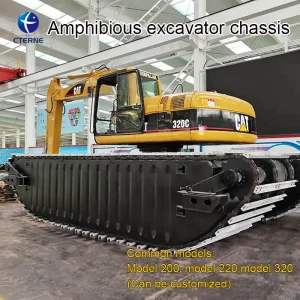
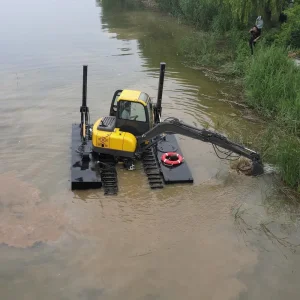
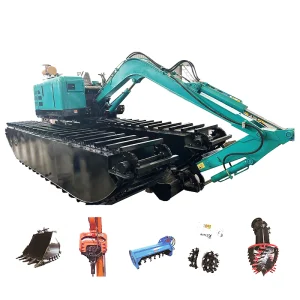
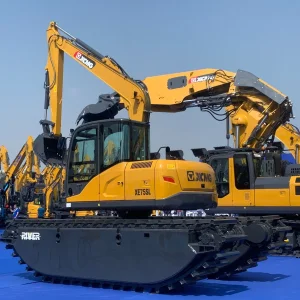
Standard crawler excavators immediately sink or become trapped in these tidal zones, leading to costly retrieval missions and ecological damage. This has created a critical demand for specialized Amphibious Small Excavators. These machines feature ultra-low ground pressure hollow steel pontoons and self-clearing track chains that enable safe operations directly on water surfaces, tidal mudflats, and saturated sands without destroying the fragile reef ecosystems.

  • Atoll Preservation: Essential for clearing silted lagoon passages and reinforcing seawalls.
  • Low Ground Bearing Capacity: Standard crawler excavators apply ~35-50 kPa of ground pressure, whereas BTEra amphibious crawlers reduce this to under 12 kPa, preventing pontoon sinkage on saturated silt.
  • High-Salinity Resilience: Materials must withstand continuous exposure to Pacific seawater with high chlorinity levels.
33
Atolls & Islands
< 12 kPa
Ground Pressure
100%
Marine Anti-Corrosion
20+ Yrs
Manufacturing Expertise

Localized Application Scenarios in Kiribati

From South Tarawa's urbanized lagoons to the remote shores of the Line Islands, our amphibious diggers solve complex hydrological engineering problems.

Coastal Seawall & Reef Reinforcement

Used to place rock armor, sandbags, and concrete tetrapods along highly eroded shorelines in Betio and Bairiki. The amphibious undercarriage allows the operator to walk the machine directly into the surf zone during low to mid-tide, aligning heavy materials precisely along the coastal defense line.

Lagoon Dredging & Boat Channel Maintenance

Coral silt and sand constantly clog the shallow boat channels that connect atoll communities. Small amphibious excavators equipped with dredging pumps or widening buckets clear these arterial waterways, working safely in lagoons without risk of tipping over when the tide rises.

Babai (Giant Swamp Taro) Pit Excavation

Babai is Kiribati's critical staple crop, grown in deep pits dug down to the freshwater lens. Excavating and maintaining these highly sensitive agricultural pits requires lightweight, small-footprint excavators that won't compact the soil or contaminate the delicate freshwater lens with hydraulic oil.

Shandong BTEra: Chinese Factory Resilience & Supply Chain Efficiency

How our integrated design-to-assembly ecosystem in Shandong, China, delivers world-class heavy machinery tailored for remote Pacific Island deployments.

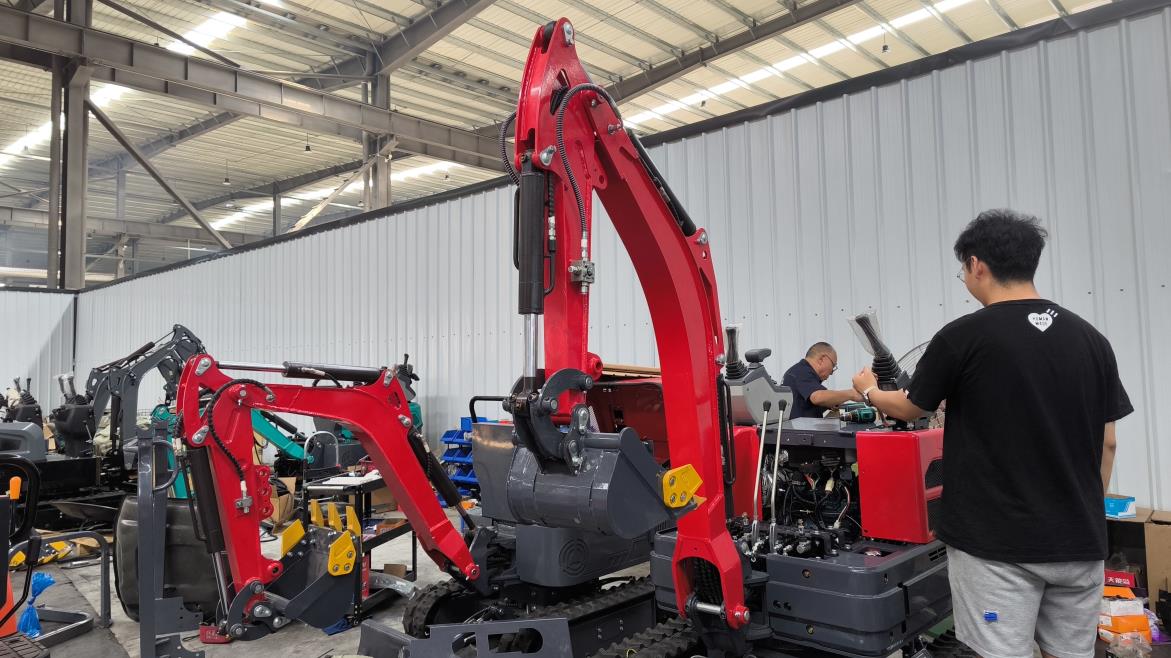
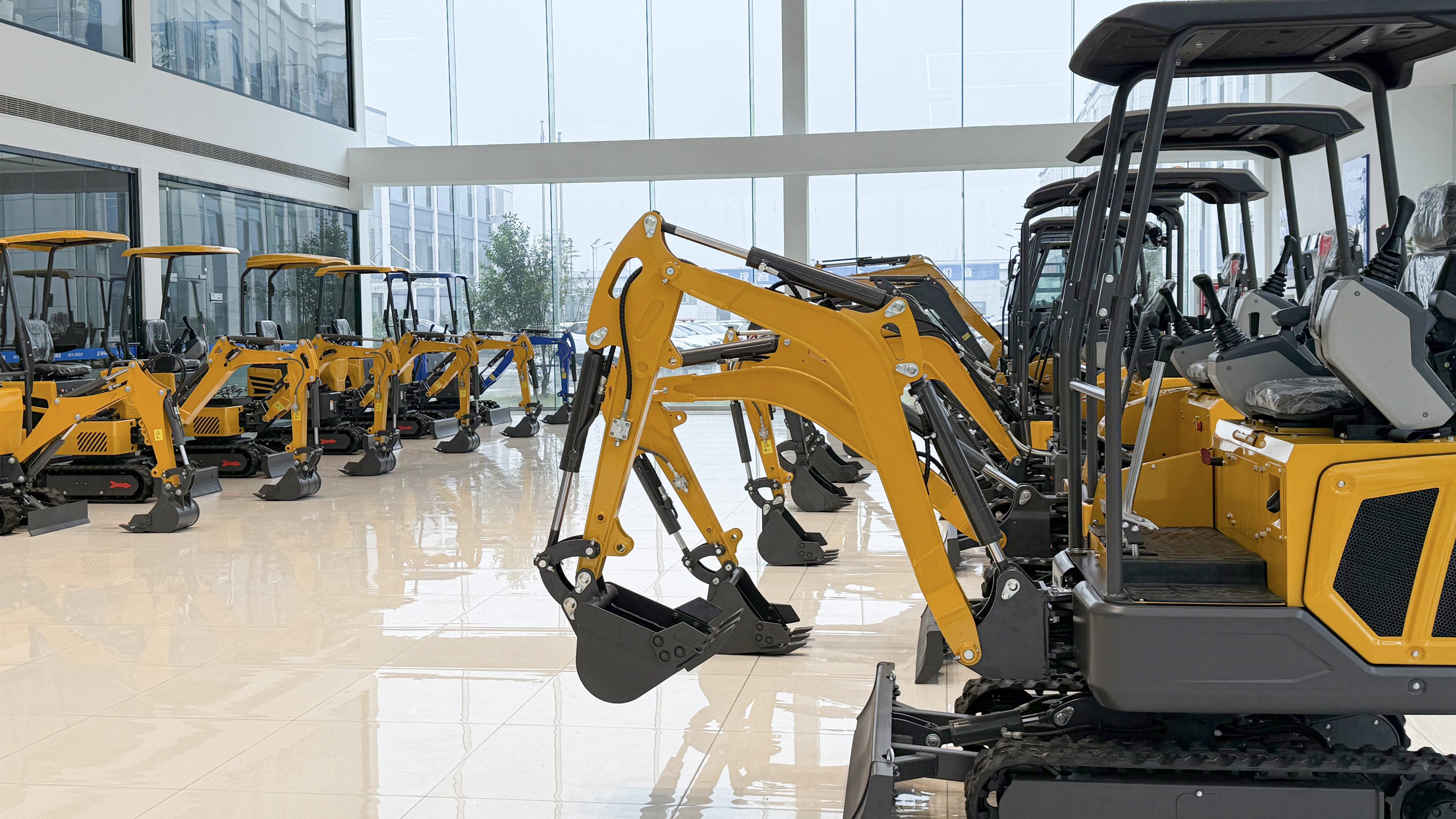
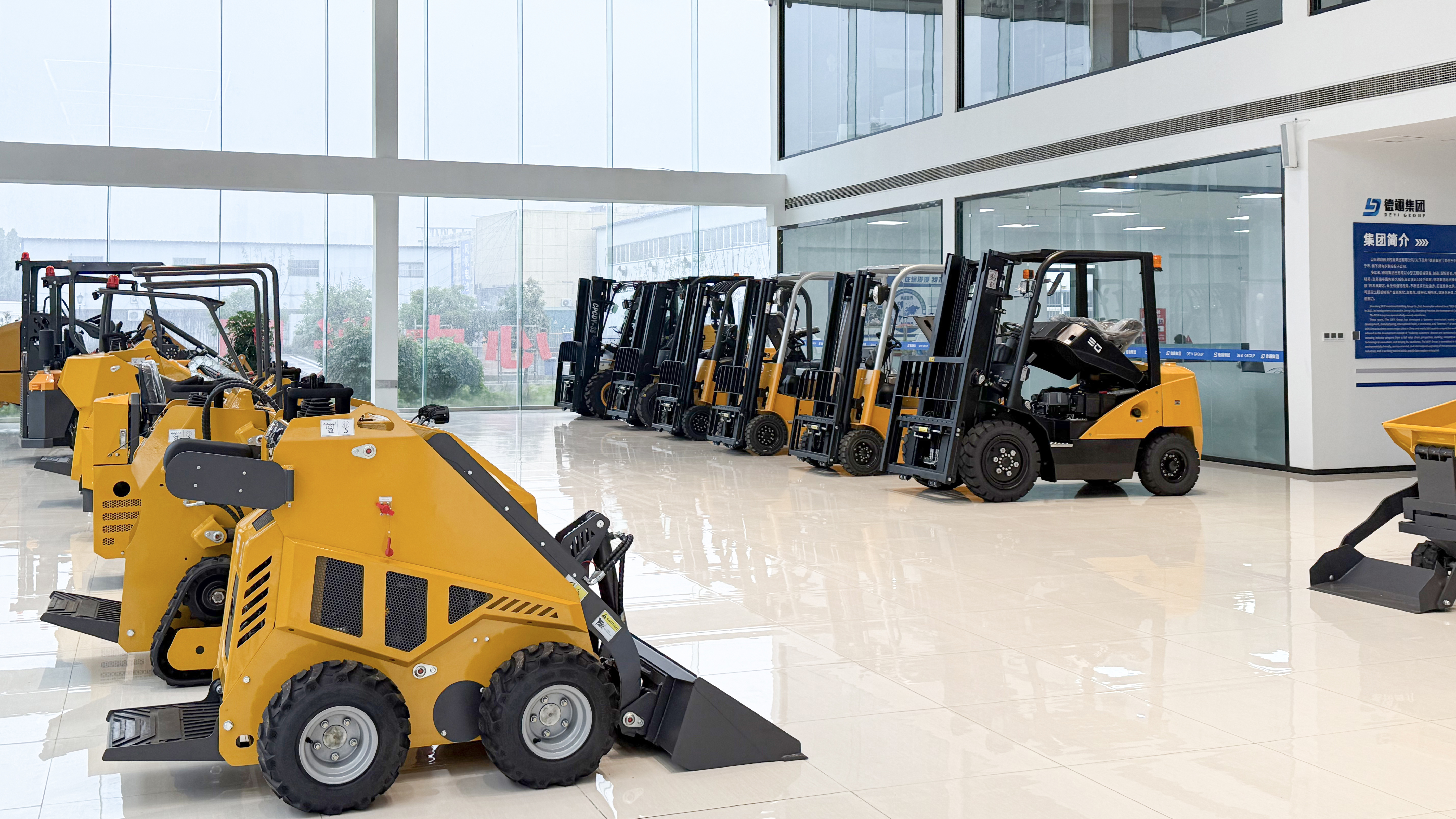
Shandong BTEra Excavator Co., Ltd. was established on the foundation of years of experience in the construction machinery industry, evolving from a specialized parts manufacturer into a comprehensive enterprise integrating research, development, production, and sales. With over two decades of industry expertise, BTEra has developed strong capabilities in manufacturing a full range of construction equipment, including hydraulic excavators, loaders, forklifts, and concrete machinery.

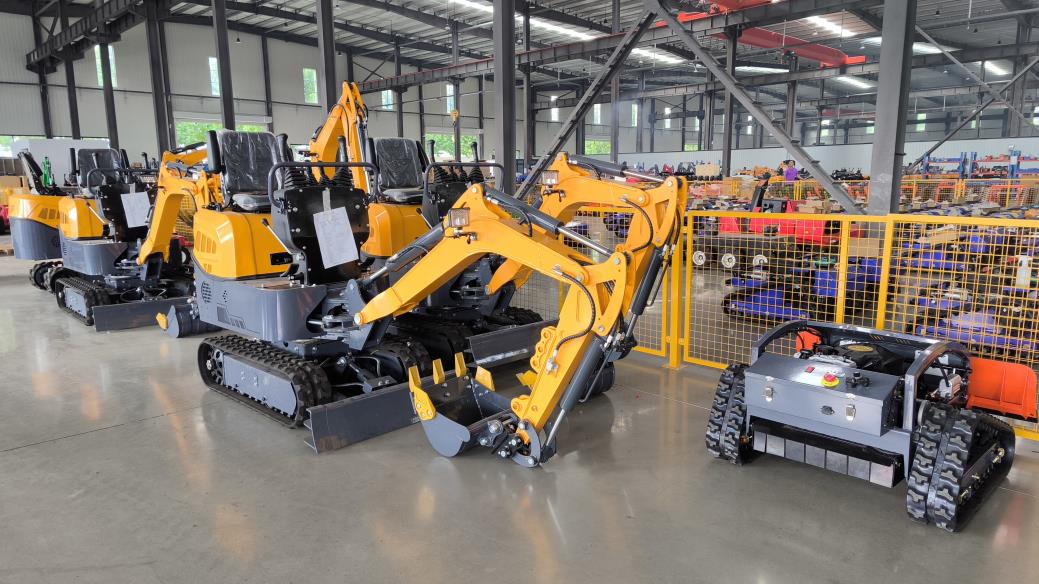
BTEra focuses primarily on excavating machinery, offering a wide product lineup that includes mini excavators, as well as medium and large excavators ranging from 800 kg to 55 tons. In addition, the company provides wheeled excavators with operating weights from 3.5 tons to 18 tons, meeting diverse construction needs across urban, agricultural, and industrial applications.

All BTEra products comply with international quality standards and are manufactured using advanced production technologies and strict quality control systems. By sourcing key components from global category leaders—such as Kubota/Yanmar engines, Kawasaki hydraulics, and Eaton travel motors—and matching them with high-yield Chinese structural steel fabrication, we offer an optimal balance of robust performance and long-term asset value.
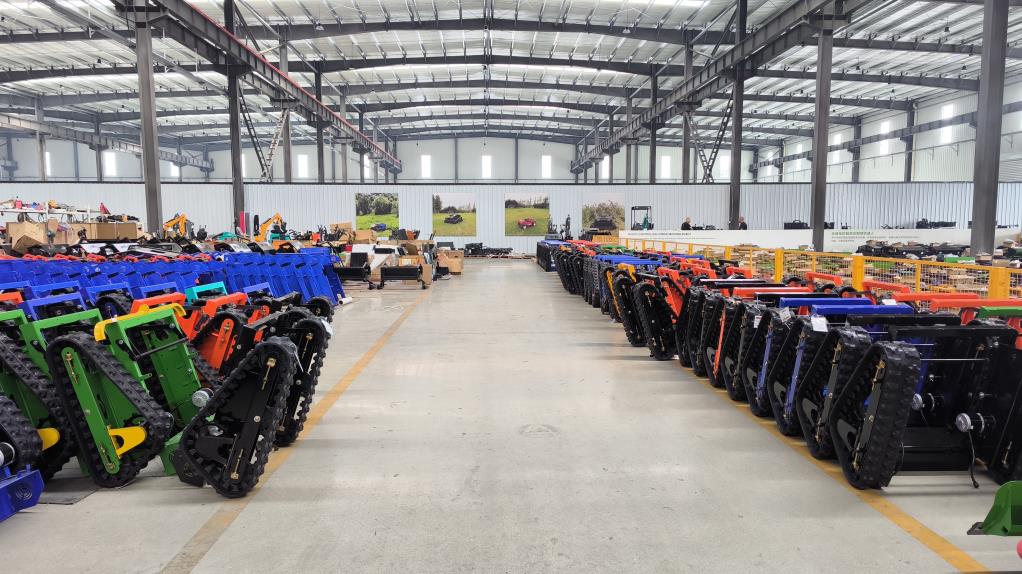
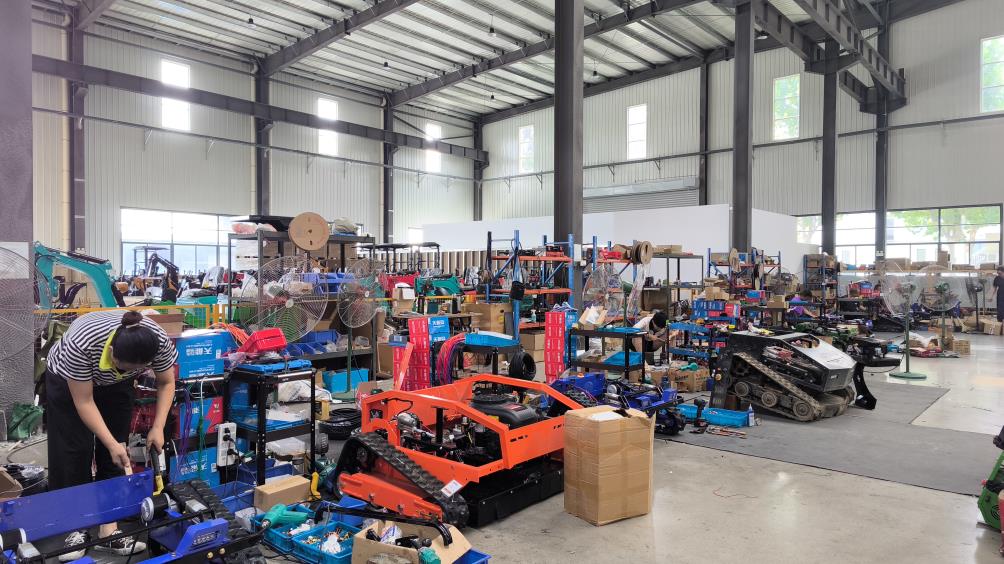
Strict ISO Manufacturing Flow

  • Raw Material Control: Ultrasonic testing of marine-grade steel plates before cutting.
  • Precision Welding: Robotic welding arms ensure airtight pontoon seams.
  • Hydrostatic Testing: Every pontoon undergoes a 48-hour continuous immersion test to ensure zero leakage.
  • Salt Spray Chamber Testing: Multi-layer epoxy paint systems tested under simulated marine conditions.

International Trade & Supply Chain Support

Managing logistics and after-sales support for remote oceanian markets requires rigorous planning and transparent execution models.
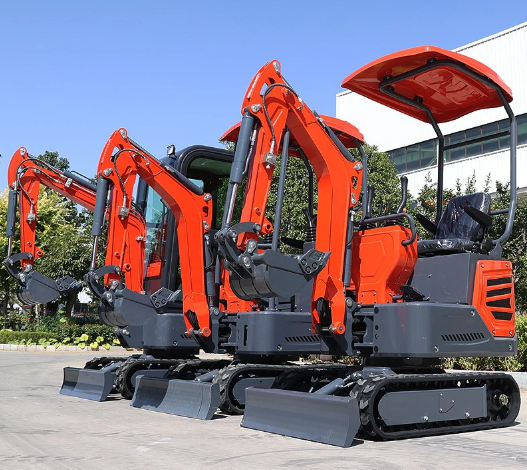
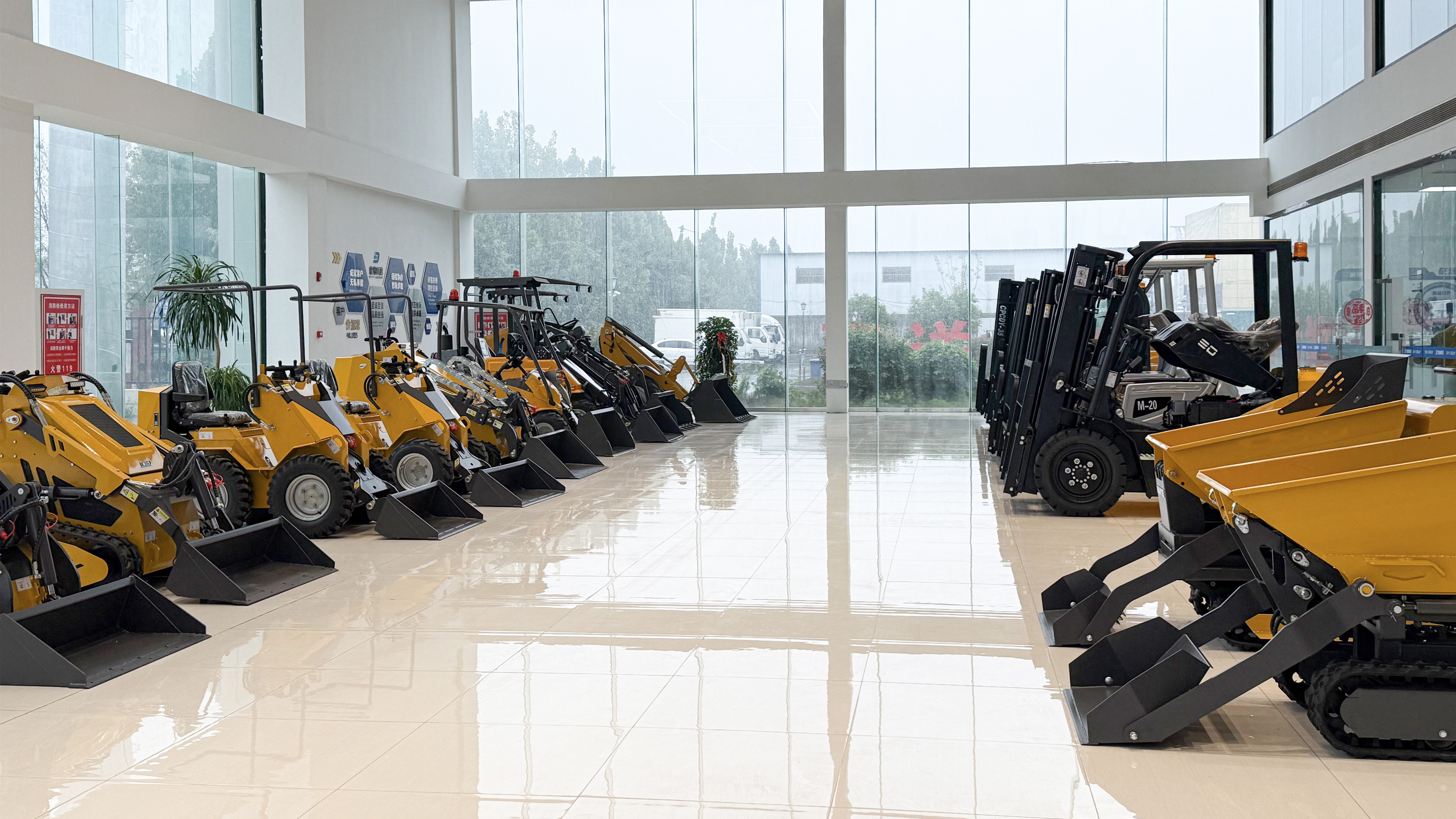
BTEra Global Service Map

Before Sales Protocol

  • ISO-certified manufacturer with strong production capabilities
  • Support for factory visits and on-site inspections
  • Flexible payment methods including T/T, L/C, and others
  • Large inventory with fast delivery capability
  • Professional international sales team providing customized solutions

Sales & Tracking Process

  • Transparent production process with real-time updates
  • Visualization of packaging and loading procedures
  • Full tracking of transportation and logistics status
  • Strict quality inspection before shipment
  • Customized packing configurations for ocean container shipping

After Sales Framework

  • One-year warranty with lifetime technical support
  • Dedicated after-sales service team with quick response
  • Spare parts supply with global shipping support
  • Technical guidance for installation, operation, and maintenance
  • Special discounts and VIP services for long-term customers

Technical Roadmap & Future Outlook for Atoll Engineering

How BTEra is adapting its technical design for next-generation environmental demands and climate change mitigation projects.

  • Phase 1: Saltwater Anti-Corrosion (Current Standard)

    Integration of marine-grade AH36 steel plates, hot-dip galvanized drive chains, and sacrificial zinc anodes onto all pontoon structures to survive the highly corrosive Pacific Ocean waters.

  • Phase 2: Biodegradable Hydraulic Fluid Systems (Available Now)

    To protect Kiribati's fragile coral reef ecosystems and fish stocks, BTEra offers optional synthetic ester-based biodegradable hydraulic oil systems that prevent environmental damage in case of hose failure.

  • Phase 3: Hybrid and Electric Drivetrains (In Development)

    Addressing fuel logistics issues in the outer islands, we are designing small amphibious hybrid engines that utilize solar-assisted battery banks to power auxiliary hydraulic systems, decreasing dependence on diesel imports.

Frequently Asked Questions: Technical & Operations

Detailed professional answers to assist procurement officers and engineering firms working in the Kiribati market.

1. How do BTEra amphibious excavators prevent corrosion in high-salinity atoll environments?
We use specialized marine-grade steel (AH36/Q355D) which has superior resistance to pitting and structural stress. Every pontoon undergoes a multi-layer paint treatment: sandblasting to Sa2.5 standard, followed by an inorganic zinc-rich primer, an epoxy micaceous iron oxide intermediate coat, and a polyurethane topcoat (minimum thickness of 280 microns). Sacrificial zinc anodes are also bolted directly to the hull to provide active cathodic protection.
2. How are these machines transported to remote locations like South Tarawa or the Line Islands?
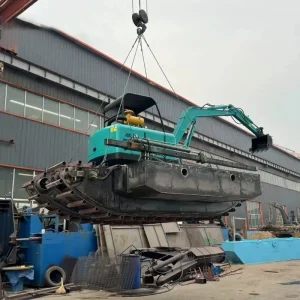
Our small amphibious excavators (typically 1 to 10 tons) are designed to fit into standard 20ft or 40ft High Cube containers. For remote islands, they can be shipped via cargo vessels servicing Betio Port. The track systems and pontoons can be easily detached and reassembled on-site using simple mechanical joints, minimizing the need for heavy crane facilities during offloading.
3. What is the maximum water depth these small amphibious excavators can work in?
Standard models are designed to operate in shallow waters up to 1 to 1.5 meters deep, where their tracks remain firmly on the lagoon bed. If the water depth increases beyond this point, the pontoons provide buoyancy, allowing the machine to float. For deeper lagoon dredging, we offer optional spud stabilizers (anchoring poles) that lock the floating excavator in place, preventing drifting caused by tides and currents.
4. Can BTEra customize attachment brackets for local agricultural tasks?
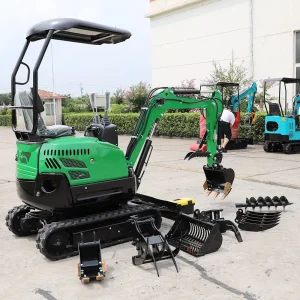
Yes. We design and manufacture custom quick-hitch adapters that support high-volume weed cutters, specialized wide buckets for mud scraping, augers for structural piling, and direct slurry pumps for sand reclamation projects. All lines are plumbed with corrosion-resistant stainless-steel couplers.
5. How does BTEra support machines without a local domestic service network?
To support remote operations, we supply a "Critical Spares Kit" with every export shipment, containing replacement hydraulic seals, hoses, filters, and electrical relays. We provide 24/7 video diagnostic support through our engineering team in Shandong. Our components are sourced from globally recognized manufacturers (like Kubota and Kawasaki), meaning routine engine parts can be acquired through generic industrial supply chains.